








India’s Economic Engine Shows Signs of Life Amid Heated Debate Over Data Integrity
Asia’s third-largest economy is charting a path of resilience, demonstrating significant momentum in the face of volatile global energy markets. New economic data highlights a robust recovery powered by an aggressive 12% surge in exports and a long-awaited revival in private corporate investment, signaling a potential shift in the nation’s industrial landscape.
Exports and Investment: The Growth Drivers
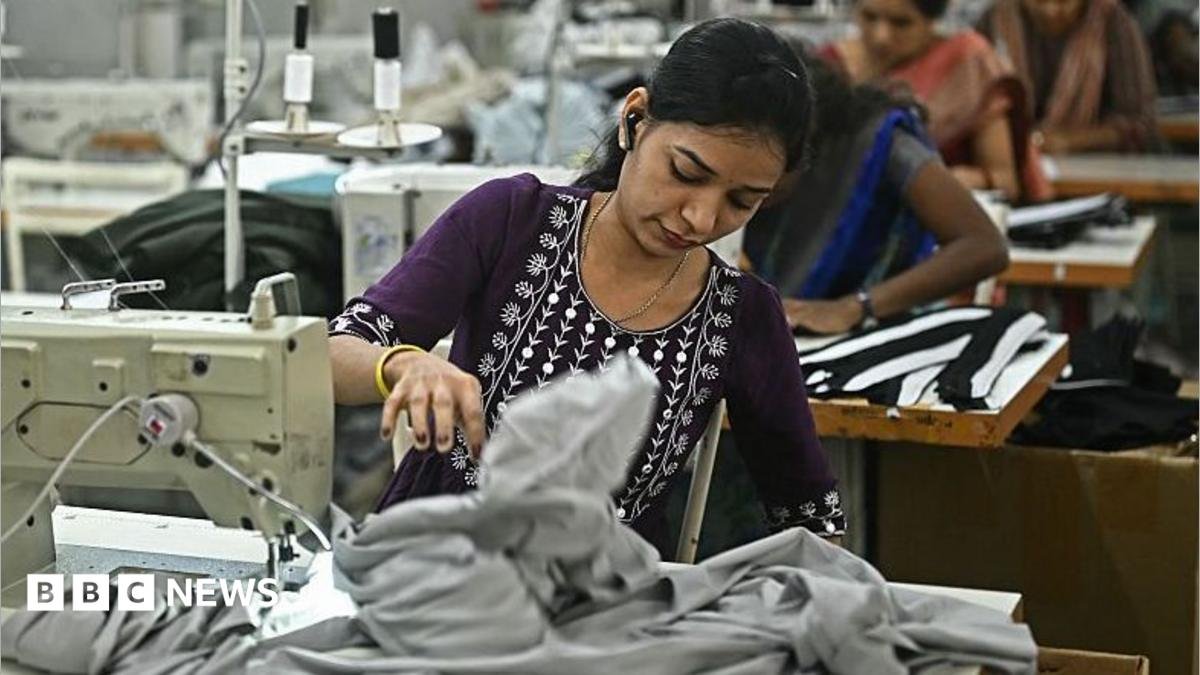
The double-digit growth in exports has defied global tariff uncertainties, bolstered by strong international demand and the tactical advantage of a weaker rupee. Economists suggest that the Indian currency’s 15% depreciation against the US dollar has effectively sharpened the competitive edge of domestic goods on the global stage.
Parallel to the export boom, the private sector has finally begun to commit capital toward tangible assets. Gross fixed capital formation—a vital metric for domestic investment—climbed nearly 12% in the first quarter of the year, as firms ramp up spending on factories and infrastructure.
Madan Sabnavis, chief economist at the state-run Bank of Baroda, notes that the momentum is concentrated in specific, high-growth sectors. “Non-government data points to increased investment intentions, particularly in data centres, renewable energy, and metals,” Sabnavis said. While he cautioned that the recovery is not yet broad-based, he described these developments as “definite signs of a pick-up.”
The Battle Over the Numbers
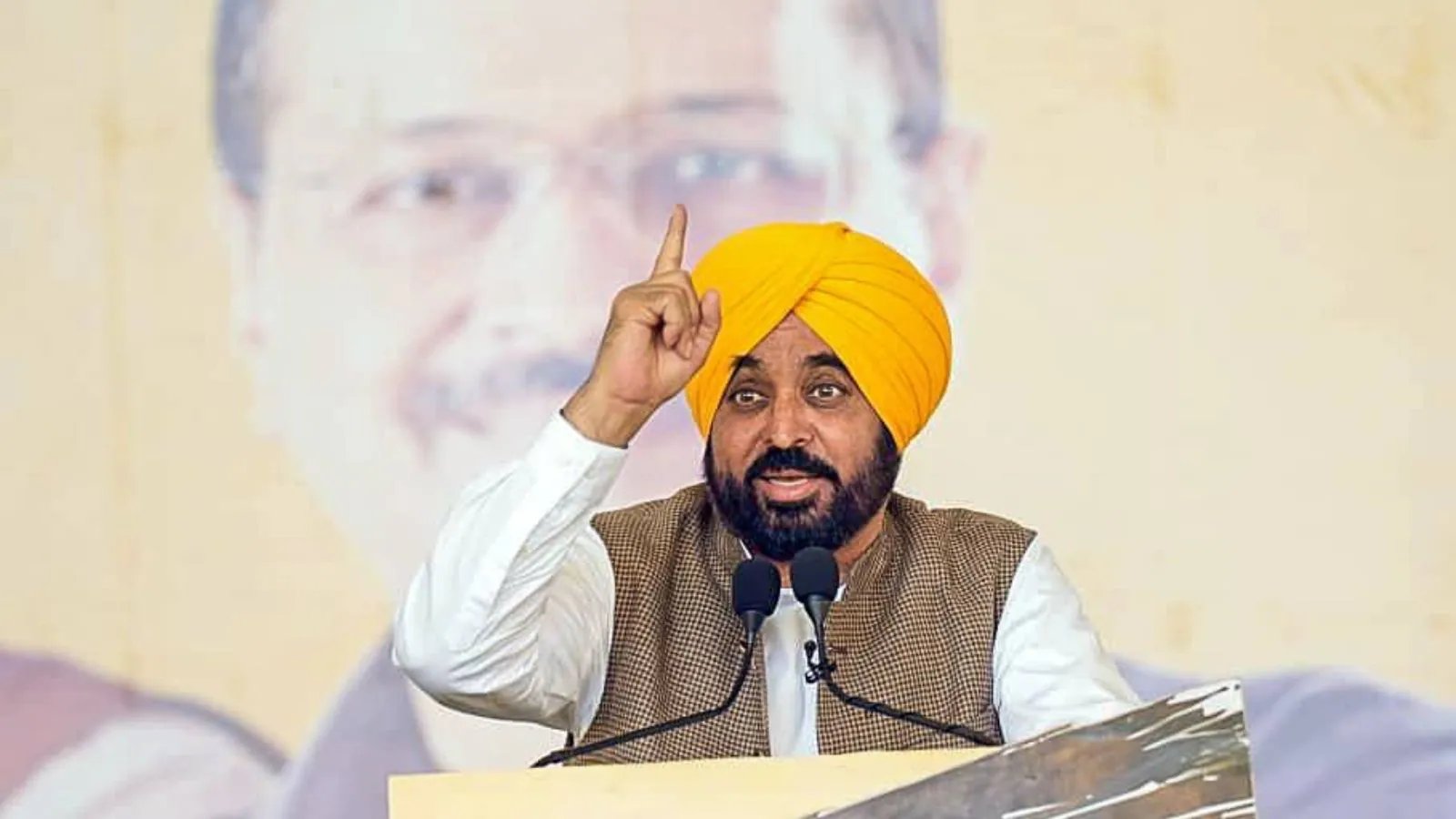
Despite the optimistic indicators, the release of these figures has ignited a fierce political and academic war of words. The government’s narrative of progress has been met with skepticism from the opposition, with figures like Jairam Ramesh dismissing the results as “statistical gymnastics.” Critics argue that the administration has manipulated methodologies to obscure what they describe as a “dire economic reality.”
The skepticism extends to the corridors of policy as well. A former finance secretary voiced concerns that the GDP boost is largely a byproduct of a lower base effect and revisions to calculation methods. However, the government has firmly rejected these claims, maintaining that data revisions are a standard and necessary component of macroeconomic reporting.
This stance received high-level backing from Neelkanth Mishra, the World Bank’s executive director for India, who argued that the revised GDP series has “cleaned up the data” and significantly enhanced the methodology, thereby strengthening the credibility of the estimates.
The Question of Sustainability and Jobs
While analysts debate the numbers, high-profile economists like former central bank governor Raghuram Rajan have pivoted the conversation toward structural concerns. Rajan has questioned the disconnect between the reported rapid growth and the persistent lack of job creation and muted foreign direct investment (FDI).
Furthermore, the domestic equity markets have remained surprisingly lukewarm to the positive reports, suggesting a sense of caution among investors.
For the authorities, the mixed reception of these growth figures underscores a broader challenge: countering criticism that India’s economic growth remains uneven. While the macro-level indicators point upward, the task remains to ensure that this momentum translates into tangible prosperity for the broader population—a hurdle that continues to dominate the national discourse.