









India’s Rapid Regulatory Crackdown on JPMorgan Unit Signals New Era of Market Vigilance
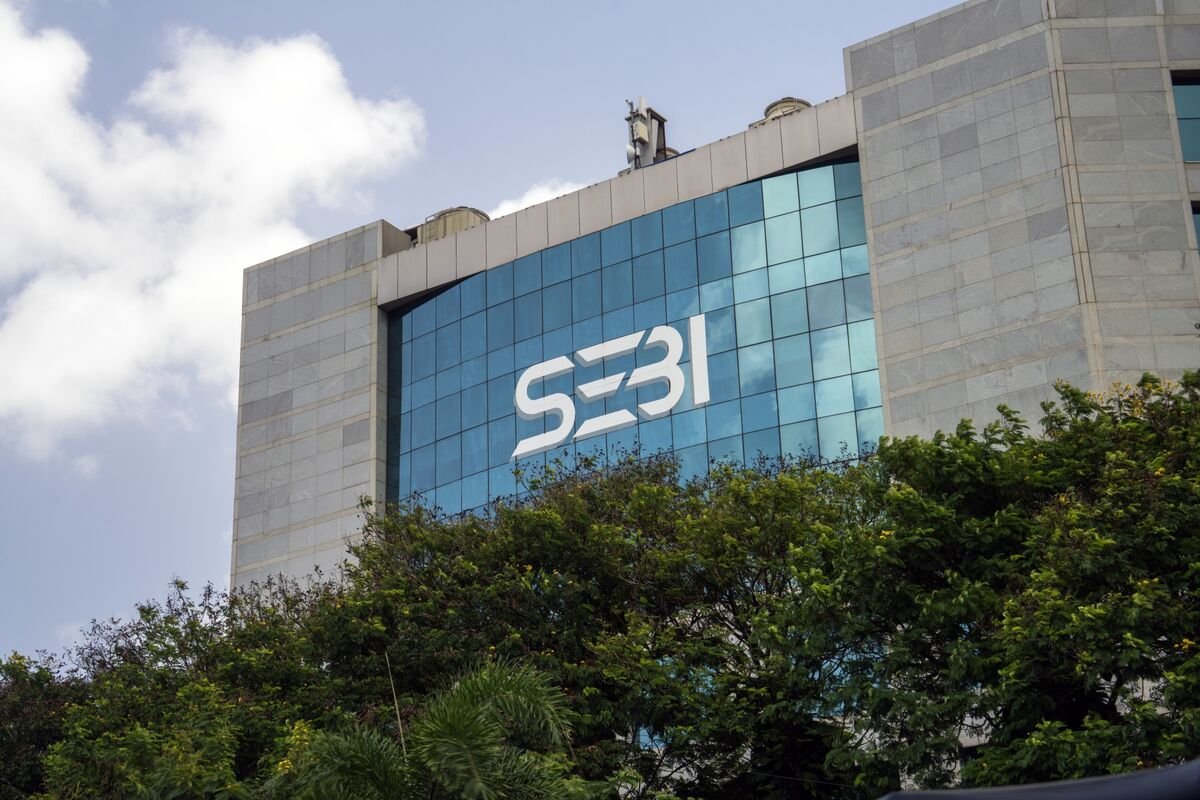
In a decisive move that has sent shockwaves through India’s financial circles, the country’s securities regulator has issued an interim order against a JPMorgan Chase & Co. unit with unprecedented speed. Industry observers suggest that this swift intervention serves as a high-stakes warning to institutional traders, signaling that authorities are increasingly intolerant of efforts to manipulate the nation’s newly implemented closing stock auction mechanisms.
The Securities and Exchange Board of India (SEBI) acted with remarkable urgency, bypassing the typical delays often associated with such legal proceedings. By issuing an interim order in record time, the regulator has demonstrated a firm commitment to maintaining the integrity of its evolving electronic trading platforms.
Market analysts believe this aggressive posture is a calculated effort by the regulator to preemptively curb the "gaming" of the closing auction—a process that has been a recent point of focus for Indian capital markets. By holding a global financial powerhouse accountable so rapidly, the regulator is sending a clear message: no participant is beyond the reach of stringent oversight, regardless of their market standing.
This development highlights the growing sophistication of India’s market infrastructure and its commitment to international standards of fairness. As the country continues to modernize its trading landscape, this interim order is being viewed as a defining moment. It marks a significant shift toward a more proactive regulatory environment, where the speed of enforcement is intended to act as a formidable deterrent against potential malpractice in the closing window.
For institutional investors and trading desks, the implication is clear: the regulatory climate in India is hardening. As the closing auction becomes a permanent fixture of market volatility, firms must ensure that their algorithmic and manual trading strategies remain strictly within the guardrails set by the SEBI. Failure to do so, as this recent case underscores, could result in swift and public consequences.