






New Delhi in Gridlock as Thousands Protest Electoral Roll Purge
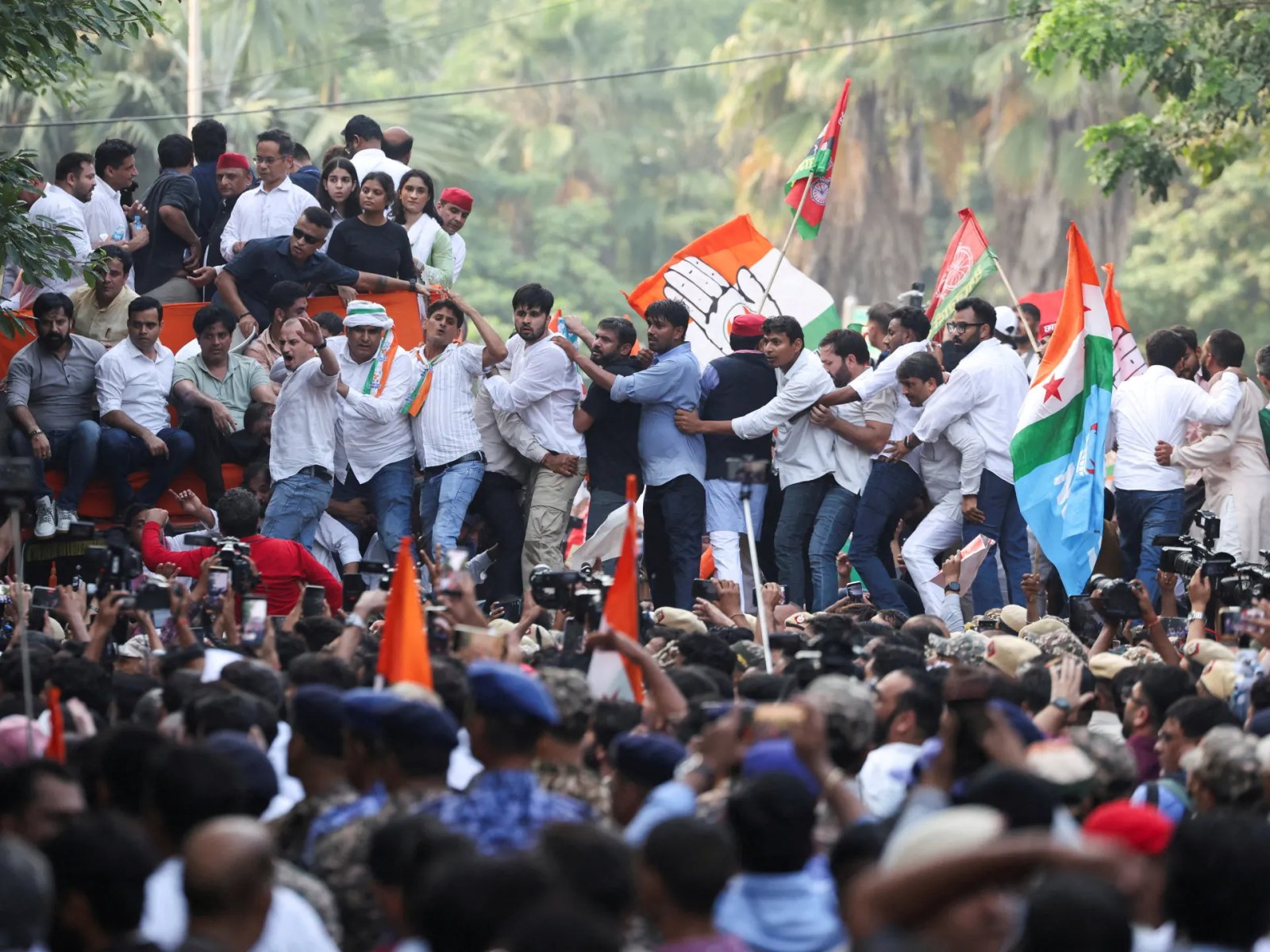
NEW DELHI – A wave of civil unrest has gripped the Indian capital as thousands of demonstrators took to the streets on Monday, intensifying their campaign against the Election Commission of India (ECI). The protests, characterized by a unique fusion of opposition political parties and the youth-driven “Cockroach Janta Party” movement, are centered on allegations of systematic disenfranchisement following the sudden removal of millions of names from national voter rolls.
Growing Outcry Over Electoral Integrity
The heart of the dispute lies in the controversial revision of electoral lists, which has seen approximately 133 million entries purged since last year. With the nation’s democratic health under intense scrutiny, demonstrators are demanding the immediate resignation of Chief Election Commissioner Gyanesh Kumar. The protesters argue that the mass deletion of names is not merely a bureaucratic cleanup but a targeted move that threatens to tilt the political scales in favor of Prime Minister Narendra Modi’s Bharatiya Janata Party (BJP).
Critics and activists have raised alarms that these deletions appear to disproportionately impact marginalized communities, with specific concerns voiced regarding the exclusion of Muslim voters. The Election Commission, however, has stood by its actions, maintaining that the objective of the exercise was to prune the voter database of duplicate, deceased, and fraudulent entries to ensure the integrity of future electoral exercises.
Security Clampdown and Detentions
The federal government responded to the escalating protests with a massive deployment of security forces across central New Delhi. For the third consecutive day, the city resembled a fortress, with authorities installing heavy metal barricades and shutting down major metro stations to stifle the movement of demonstrators.
The government’s heavy-handed response has sparked its own controversy. Over the weekend, thousands of protesters, including high-profile leaders of the Cockroach Janta Party, were taken into police custody. While most of those detained—including the movement’s primary organizers—have since been released, the detention of journalists covering the unrest has drawn condemnation from media rights organizations. Reporters on the ground reported that they were apprehended and held by police despite identifying themselves and presenting valid press credentials.
A Growing Political Challenge for the Government
The protests mark a significant escalation in the pressure facing Prime Minister Modi’s administration. By uniting traditional opposition political factions with energetic student groups and civil society activists, the Cockroach movement has successfully transformed voter registration concerns into a broader nationwide protest against the current state of democratic institutions in India.
As the demonstrations continue, the government finds itself in a precarious position. While officials continue to label the protesters as agitators seeking to destabilize the system, the growing visibility of the movement suggests that the demand for transparency in the electoral process has gained significant momentum. With no immediate signs of a compromise, the atmosphere in New Delhi remains volatile, as the intersection of youth activism and political opposition continues to push back against the electoral authorities.
As of Monday evening, the central government has yet to announce any formal talks with the protest leaders, signaling that the standoff over the nation’s voter lists is far from over.
Disclaimer: This content is auto-generated for informational purposes only.
Source: Read Original News