







Louisiana’s real estate landscape is undergoing a profound transformation driven by a massive industrial construction boom. While traditional sectors like office space and residential housing navigate persistent headwinds, the state’s industrial market is hitting historic highs, fueled by a wave of megaprojects that include artificial intelligence data centers, liquefied natural gas terminals, and cutting-edge steel production facilities.
### The Rise of Speculative Industrial Development
The ripple effect of multibillion-dollar projects, such as the Hyundai steel mill in Ascension Parish, has triggered an unprecedented surge in industrial demand. Occupancy rates in the Greater New Orleans area currently hover around 97%, significantly outperforming the national average. This tightness has prompted developers to engage in “speculative” construction—building massive warehouse and logistics facilities before securing long-term tenants.
Richard Juge, CEO of RE/MAX Commercial Brokers, noted that the state is witnessing a level of speculative development previously unseen. Industry analysts project that as many as one billion square feet of industrial space could break ground in the coming years. This growth is expanding from the industrial hubs near Baton Rouge toward northern parishes, where a new cluster of AI data centers is creating an infrastructure-heavy economic backbone for the region. However, experts warn that the lack of utility infrastructure—specifically water and sewage systems in undeveloped tracts near Jefferson Parish—remains a bottleneck that could temper the pace of this expansion.
### Stagnation in Office and Retail Sectors
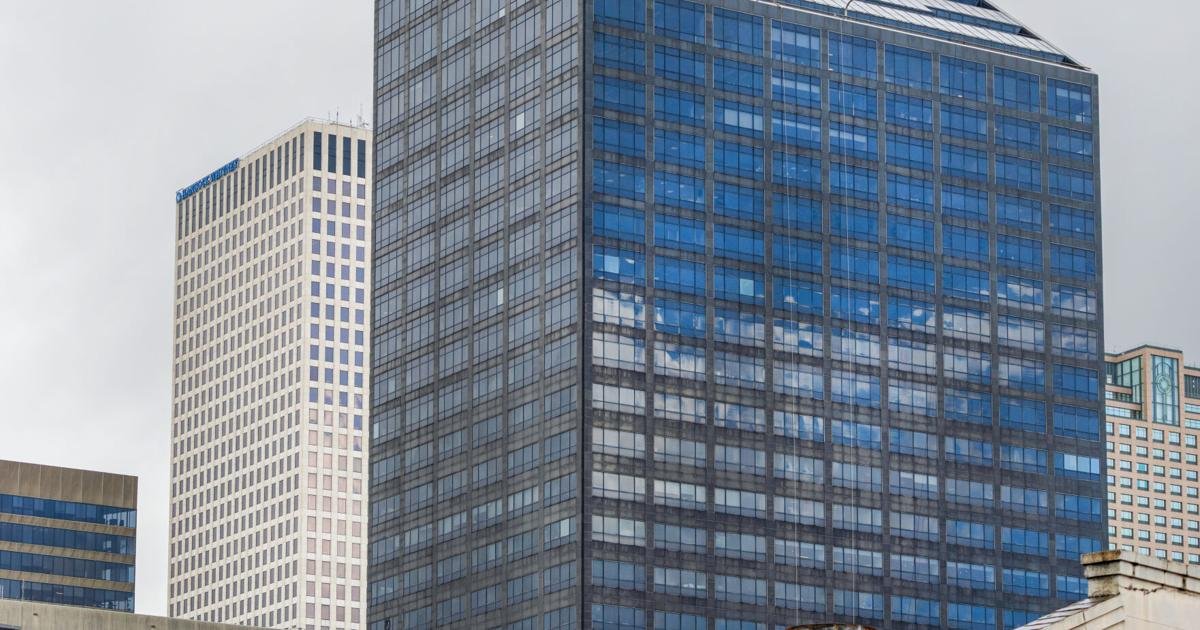
While industrial real estate thrives, the commercial office market paints a more sobering picture. Although downtown New Orleans office occupancy appears steady at roughly 80%, this figure is arguably misleading. The market has maintained this percentage largely by shrinking the total supply of available buildings, as many former office towers have been converted into hotels or luxury apartments since the post-Hurricane Katrina era.
Financial viability for new office construction remains elusive. Over the last decade, construction and operating costs have skyrocketed, while lease rates for Class A office space have seen only marginal growth. With net rents actually declining when adjusted for inflation, developers find it difficult to justify new projects in the central business district. Meanwhile, the retail market is experiencing a flight to quality. Strip malls anchored by supermarkets remain the most resilient assets, while traditional retail centers are increasingly pivoting toward mixed-use “lifestyle” developments to remain competitive against the encroachment of e-commerce.
### Residential Challenges and Economic Diversification
The residential market remains in a state of delicate recovery. After a promising start in 2026, homebuying activity has cooled as rising interest rates and inflationary pressures dampen consumer confidence. The region is currently grappling with a significant glut of inventory—the highest level since 2000—which contrasts sharply with a more balanced market in areas like Acadiana.
As Louisiana celebrates a wave of $250 billion in announced megaprojects, policymakers and business leaders are now shifting their focus toward long-term sustainability. The challenge lies in ensuring this industrial “moment” translates into a diversified economy that can reverse decades of population decline.
“If we don’t have a strong, diversified growing economy, we are not going to be solving any of our community problems,” said Andy Kopplin, president of the Greater New Orleans Foundation. Moving forward, the focus is shifting toward leveraging the state’s industrial gains to bolster high-tech sectors, such as the emerging biomedical district, and improving regional quality of life to attract and retain the workforce necessary to sustain these new, massive investments. Whether the state can capitalize on these technological and industrial tailwinds will depend on its ability to modernize infrastructure and lower the barriers to development in a rapidly changing global market.
Disclaimer: This content is auto-generated for informational purposes only.
Source: Read Original News