





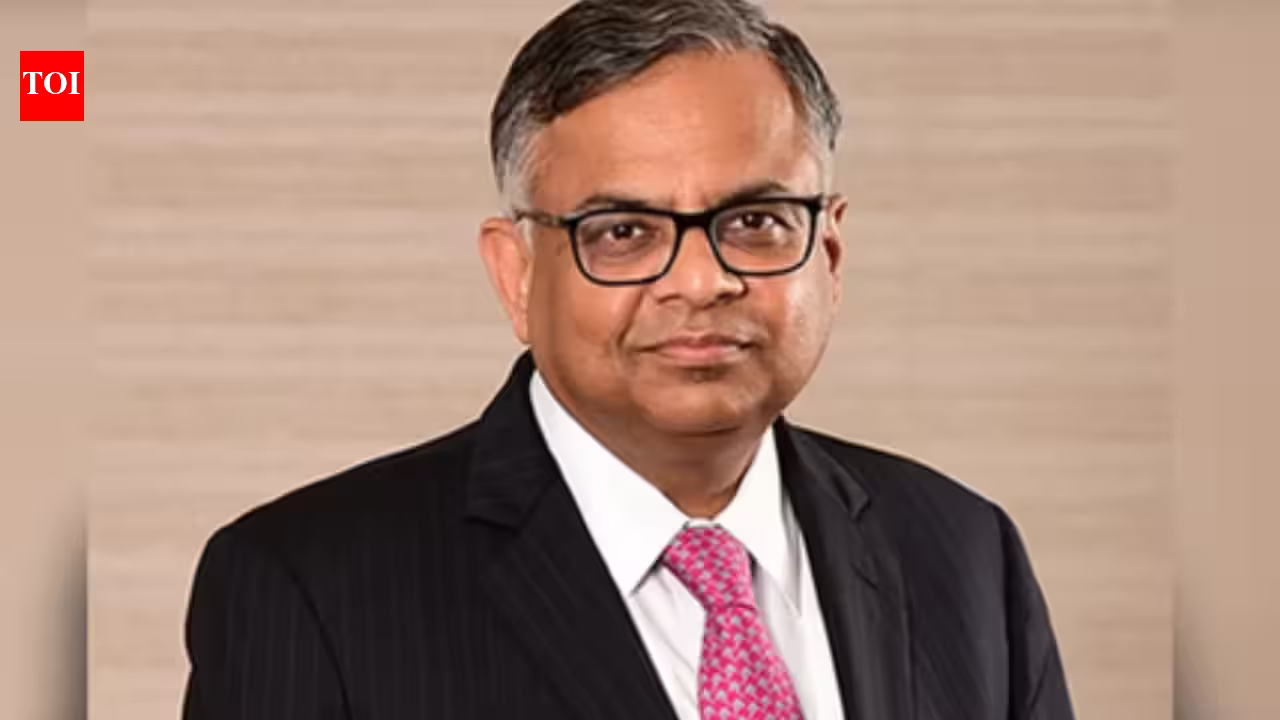
The Strategic Continuity of Leadership at Tata Sons
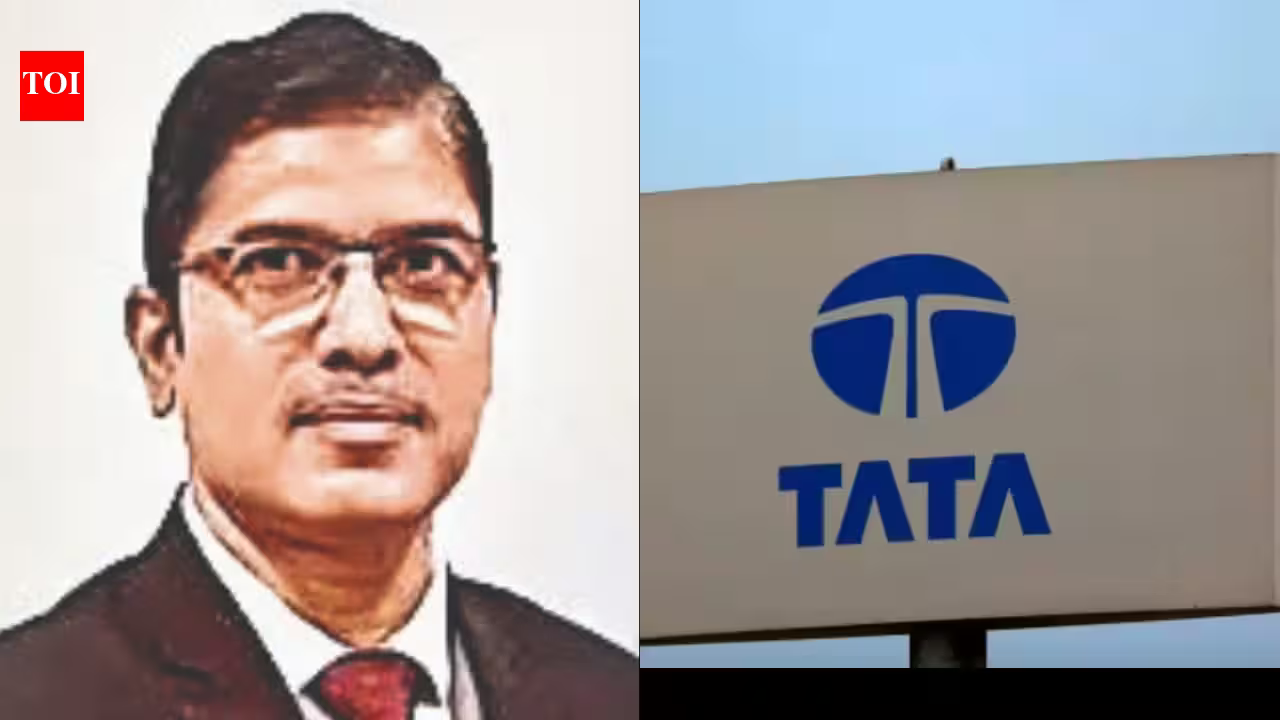
The recent confirmation of N. Chandrasekaran’s reappointment as the Chairman of Tata Sons for a second five-year term serves as a definitive signal of the conglomerate’s commitment to long-term stability. While corporate leadership transitions are often viewed through the lens of individual performance, the decision to retain Chandrasekaran underscores a deeper, structural strategy within India’s largest business house. This continuity is essential for a group as diversified and globally interconnected as the Tata Group, which operates across sectors ranging from information technology and steel to consumer goods and aviation.
The timeline surrounding this reappointment provides a critical window into how the group navigates internal succession planning alongside evolving regulatory landscapes. Despite initial reports suggesting that Chandrasekaran had indicated an intention to step down, the swift intervention of the Nomination and Remuneration Committee (NRC) highlights a consensus among stakeholders that his leadership is vital for the execution of the group’s current strategic roadmap. By extending his tenure through 2032, the Tata board has prioritized institutional stability over the uncertainty of a leadership transition during a period of significant capital expenditure and digital transformation.
Navigating Regulatory Shifts in the NBFC Space
One of the most nuanced aspects of the recent leadership confirmation involves the timing of the board’s decision relative to regulatory developments. The Reserve Bank of India’s (RBI) September directive regarding “upper-layer” Non-Banking Financial Company (NBFC) regulations has introduced a new layer of complexity for core investment companies like Tata Sons. These regulations often carry mandates regarding governance structures and, crucially, the potential for mandatory public listing.
Speculation has persisted regarding the necessity of a Tata Sons Initial Public Offering (IPO) to satisfy regulatory requirements. Whether or not the reappointment was a direct response to the specific mandate of the RBI, the timing reveals a proactive approach by the Tata board. By securing a long-term leadership commitment from a veteran professional like Chandrasekaran, the group is better positioned to navigate the intricacies of a potential listing process, should it be deemed necessary or beneficial. His experience in steering complex digital and operational integrations makes him the logical choice to handle the regulatory compliance and institutional transparency required of a public entity.
The Role of the Nomination and Remuneration Committee
The effectiveness of any large Indian conglomerate depends heavily on the strength of its oversight bodies. The NRC at Tata Sons, comprising independent directors Harish Manwani and Anita George, alongside Tata Trusts Vice Chairman Venu Srinivasan, played a pivotal role in this transition. The committee’s decision to move beyond the initial letter of resignation and unanimously request a reconsideration is a testament to the internal trust reposed in the current chairman.
For the Tata Group, the NRC’s function extends beyond mere administrative appointment; it serves as a guardian of the conglomerate’s core values and long-term vision. By identifying the need for continuity in the “larger interests” of the group, the committee has effectively mitigated the risks associated with a leadership vacuum. This governance structure provides a robust buffer against short-term external pressures and ensures that the group’s leadership strategy remains aligned with the overarching interests of Tata Trusts, which remains the primary shareholder.
The “Chandra” Era and Structural Transformation
Since taking the helm, N. Chandrasekaran has spearheaded a massive restructuring of the Tata portfolio. His tenure has been marked by a shift toward simplification, reducing the number of subsidiaries and focusing on high-growth sectors. This strategy has included high-profile acquisitions, the consolidation of the aerospace and defense segments, and the aggressive pursuit of dominance in the consumer retail and digital domains.
Furthermore, his influence is evident in the group’s heavy investments in semiconductors, electric vehicles, and green energy. These are not merely business vertical expansions; they represent a fundamental pivot toward the future of the Indian economy. The reappointment confirms that the board remains fully satisfied with this trajectory. It suggests that the “Chandra era” will continue to be defined by high-tech manufacturing and the integration of the group’s legacy assets into a unified digital ecosystem. For observers of the Indian market, this is a clear indication that the Tata Group’s current philosophy—centered on sustainability and technological readiness—will remain the guiding principle for the remainder of the decade.
Institutional Stability and the Indian Corporate Context
The Tata Group’s decision stands in contrast to the frequent leadership shifts seen in other large multinational corporations where shareholder activism or market volatility often forces sudden exits. In the Indian business context, the Tata family and the associated trusts have historically favored a blend of professional management and ethical stewardship. By reaffirming their support for an experienced professional like Chandrasekaran, they are reinforcing the importance of corporate governance in maintaining stakeholder confidence.
This move also has broader implications for India’s corporate sector. As the country moves toward becoming a five-trillion-dollar economy, the role of large conglomerates in acting as anchors for industrial growth cannot be overstated. When a group of this magnitude opts for long-term consistency, it provides a sense of predictability to the markets and to the international investors who back Tata entities. The ability of the group to retain key talent in leadership roles serves as a benchmark for how family-run empires can successfully modernize by empowering professional leadership.
Conclusion: The Horizon Through 2032
As the Tata Group looks toward 2032, the reappointment of its current chairman serves as a bridge between the group’s storied past and its highly digitized future. The challenges ahead—ranging from global supply chain realignment to the domestic demands of a burgeoning middle-class consumer market—require a captain who understands the deep structural nuances of the group.
The decision is not just about one individual; it is about the structural integrity of a house that balances the needs of private philanthropy with the demands of public equity markets. With the leadership question resolved, the group can now dedicate its full resources to the successful integration of its massive capital projects and the navigation of the regulatory environments set forth by the RBI and other governing bodies. Ultimately, the stability provided by this five-year extension ensures that the Tata Group remains a dominant, consistent, and forward-thinking force in the Indian economic landscape, capable of handling both the technological disruptions of the coming decade and the responsibilities of a flagship industrial entity.
Disclaimer: This content is auto-generated for informational purposes only.
Source: Read Original News