






NEW DELHI: The Indian Olympic Association (IOA) finds itself embroiled in yet another procedural quagmire, as fresh questions emerge regarding the legitimacy of its recent Sportspersons of Outstanding Merit (SOM) election. The latest controversy centers on a hurried ratification process by the Athletes’ Commission, which took place mere hours after the polls concluded on November 9, casting a long shadow over the body’s adherence to its own foundational governing documents.
At the heart of the dispute is a stark contradiction between the IOA constitution and the internal rules governing the SOM selection process. According to Article 3.7 of the IOA constitution, the eight SOMs—who hold significant influence within the General Assembly—are to be selected by the Athletes’ Commission. However, the commission bypassed this mandate, instead endorsing the results of an independent election conducted via an 80-member roster.
A Premature Ratification
Documents obtained by the Times of India reveal that a virtual meeting of the Athletes’ Commission was convened shortly after the election results were announced. The minutes of that meeting explicitly note the commission’s “confirmation, adoption and ratification” of the election process.
What has observers and legal experts within the sporting fraternity concerned is the lack of transparency surrounding the meeting itself. Sources indicate the session was held without any formal agenda or prior notification, leaving little room for debate or scrutiny. Critics argue that the commission effectively rubber-stamped a fait accompli rather than exercising its constitutional duty to select the representatives.
This haste has reignited a debate regarding constitutional supremacy. Article 32 of the IOA constitution is clear: the constitution takes precedence over all other rules and bye-laws in the event of a contradiction. By prioritizing the SOM Rules—which favor an electoral model—over the constitutional requirement of selection by the Athletes’ Commission, the IOA appears to have opened itself up to significant legal and procedural challenges.
The Bindra Warning
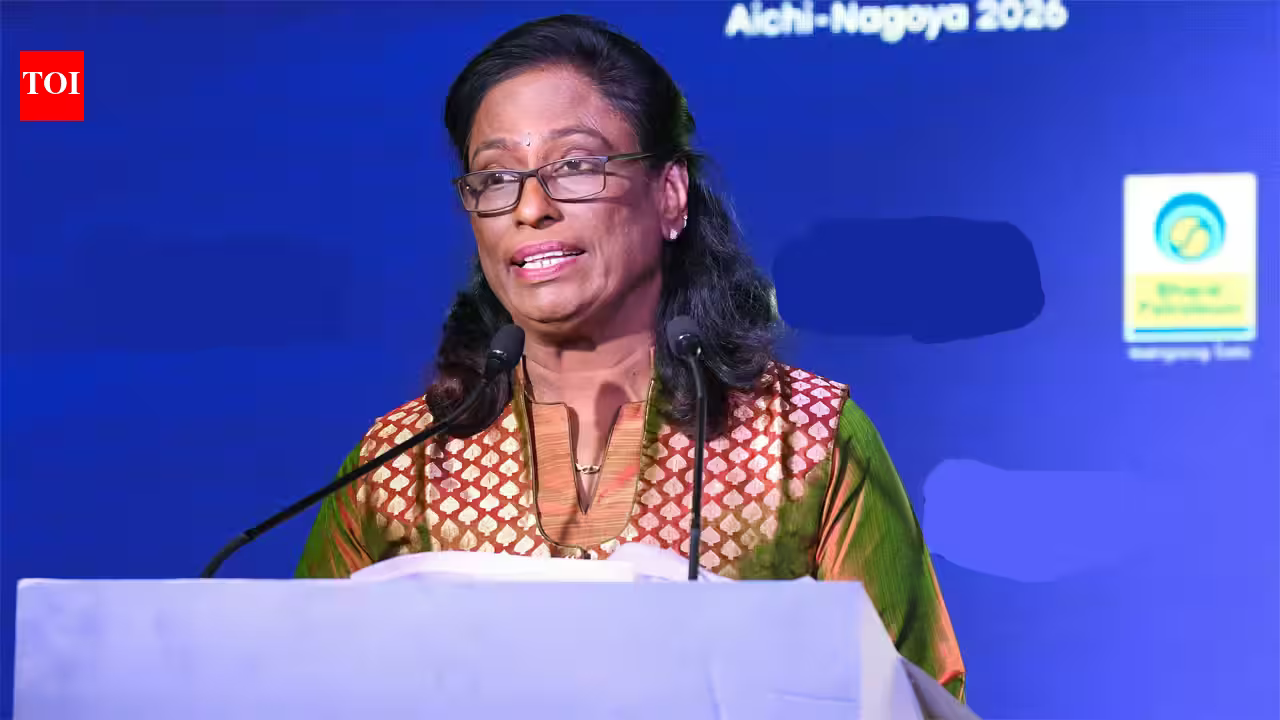
The current crisis comes as little surprise to those who have been monitoring the IOA’s internal governance closely. Olympic gold medallist Abhinav Bindra had previously sounded the alarm, penning a formal letter to IOA president P.T. Usha and CEO Raghuram Iyer. Bindra had sought explicit clarity on the selection mechanism, specifically flagging the inconsistency between the electoral process being pursued and the mandate laid out in Article 3.7.
The fact that the commission proceeded to ratify a completed election, rather than selecting the candidates beforehand as prescribed, suggests that Bindra’s warnings were either disregarded or deliberately sidelined. The incident underscores a growing disconnect between the IOA leadership and the athletes it is ostensibly designed to empower.
Allegations of Electoral Manipulation
Beyond the constitutional debate, the legitimacy of the voter list itself has come under intense scrutiny. Several decorated athletes have come forward to allege that the electoral roster was tampered with, claiming that names were dropped without explanation or due process.
Former Commonwealth Games gold medalist and international boxer Manoj Kumar has leveled serious allegations against the electoral process. According to Kumar, his name appeared on the draft SOM list published on October 19, only to mysteriously vanish from the final roster released on October 23. Kumar alleges that the omission was part of a broader conspiracy to maneuver the selection to favor specific individuals, including Rahul Banerjee, the brother of former archer Dola Banerjee.
“My name was there, and then it was gone. Nobody provided an explanation, and my multiple complaints to the electoral officer, the sports ministry, and the IOA have been met with a wall of silence,” Kumar stated. Similar grievances have been echoed by former international volleyball player Sukhpal Singh, who also claims his name was included in the initial list before being purged without justification.
A Crisis of Credibility
For an organization that aims to represent the pinnacle of Indian sports, the IOA is currently facing a profound crisis of credibility. The Athletes’ Commission, which is tasked with providing a voice for the nation’s heroes, now stands accused of being an instrument for internal power plays.
As the IOA prepares for the next phase of its governance cycle, the pressure on P.T. Usha and the leadership team is mounting. Stakeholders are demanding an inquiry into the discrepancies surrounding the electoral roster and a formal justification for the deviation from Article 3.7.
Whether the IOA will undertake an internal audit to rectify these errors or continue to double down on its current course remains to be seen. However, one thing is clear: until the internal mechanisms of the IOA are brought into strict compliance with its constitution, the shadow of doubt cast by these recent events will continue to undermine the integrity of India’s Olympic movement. The sporting world now watches and waits to see if the IOA will prioritize the spirit of fairness that it claims to uphold, or if the internal politics of the organization will continue to override the very rules it is bound to follow.
Disclaimer: This content is auto-generated for informational purposes only.
Source: Read Original News