







The Hidden Etiquette of the Household Bin
We have all been there. You are walking back from the shop with a snack, the packet is empty, and there is not a public waste receptacle in sight. You spot a bin sitting right on the pavement edge—your neighbor’s bin. It feels harmless to drop your little piece of plastic in there, right? After all, you are keeping the street clean rather than dropping it on the ground. While it seems like a minor act of civic duty, the world of shared bin usage is surprisingly murky. When that quick drop-off turns into a regular habit, things can get awkward, and occasionally, even expensive.
Maintaining good relations with the people who live next door is a cornerstone of a happy home life. It is the small, unspoken rules that keep the peace, and how we handle our trash is surprisingly high on that list. Keeping your waste to your own property is not just about keeping things tidy; it is about respecting the boundaries of the space you share with your street.
When Convenience Crosses the Line
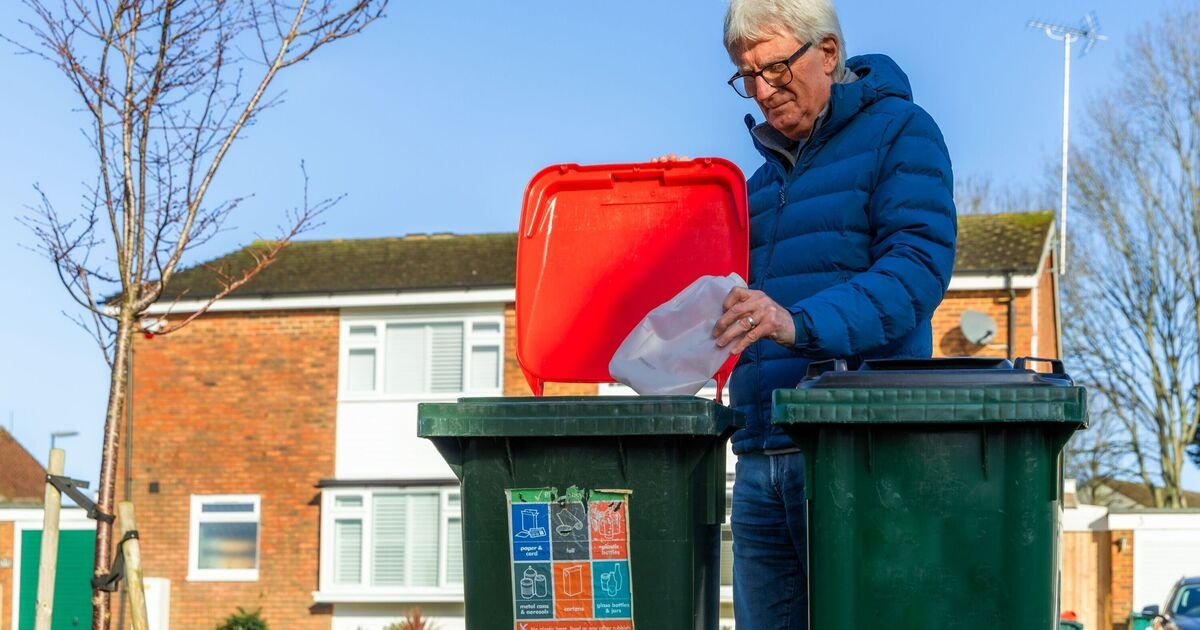
There is a big difference between tossing a candy wrapper into a bin that is already sitting on the street and treating your neighbor’s container like your personal dump. The trouble starts when “one-off” events become a routine. If someone consistently fills up your recycling or general waste bin, it stops being a helpful gesture and becomes a nuisance.
Local councils take a dim view of what they call unauthorized waste. If your neighbor decides to offload their old furniture or bags of garden clippings into your bin, you are the one left to deal with the overflow. If the bin lid does not shut, the collection crew might refuse to take it, leaving you with the headache of extra trash and the risk of a fine for an overfilled container. Understanding that your bin is your responsibility is the first step in avoiding these neighborly skirmishes.
Why Playing Detective Can Backfire
If you find yourself opening your bin to see bags that definitely do not belong to you, it is natural to feel frustrated. Many people’s first instinct is to pull the offending items out and drop them back on the neighbor’s doorstep. Resist this urge. If you remove waste from your bin and place it on public property or someone else’s land, you are technically committing the act of fly-tipping yourself. You could inadvertently find yourself on the wrong side of the law while trying to correct a situation that was not your fault to begin with.
Instead, keep a cool head. If you find something with an address or a name attached to the waste—like a discarded envelope or a shipping label—take a photo. Use this as your proof if the situation escalates, but do not jump straight to reporting them to the council. Most of the time, the simplest path is usually the most effective one.
The Power of a Friendly Chat
Before you call the local authorities or start a neighborhood feud, try the most human approach: a polite conversation. It is entirely possible that your neighbor does not realize they are causing an issue. They might have miscalculated their own bin space or simply misunderstood the collection schedule. A casual check-in while you are both out watering the garden or collecting the mail can work wonders.
Approach it with curiosity rather than accusation. Something as simple as, “Hey, I have noticed my bin is getting quite full lately, and I think some extra bags are ending up in there—could you please make sure to use your own?” goes a long way. It sets a boundary without burning bridges. Most people will be embarrassed once they realize they have been an inconvenience and will stop immediately.
Keeping Your Home Life Tidy
At the end of the day, managing your own waste effectively is a great way to reduce the stress of running a household. If you find your bin is constantly overflowing, consider if you are recycling everything you possibly can or if you need to look into council programs for larger or additional bins. Taking charge of your own consumption keeps your street looking sharp and helps you avoid those unnecessary awkward moments with the people living next door.
Focusing on open communication and respecting the space around your home makes for a much smoother experience for everyone on the block. After all, a clean street starts with keeping our own trash where it belongs—in our own bins. By sticking to these simple principles, you can keep your home environment peaceful and your neighborhood relations in top shape.
Disclaimer: This content is auto-generated for informational purposes only.
Source: Read Original News