







Tehran Threatens ‘Earthquake-Like’ Retaliation as US Launches Unprecedented Economic Offensive
Tehran has issued a stern warning that it will retaliate against any nation that aligns with a new, aggressive push by the United States to isolate the Islamic Republic. The vow comes as US Treasury Secretary Scott Bessent prepares to implement what he has described as “the single greatest financial offensive ever marshalled against an adversary.”
The escalation marks a volatile shift in geopolitical tensions, with Washington signaling that it will enforce “secondary sanctions” against any entity or country that continues to trade with Iran. The pressure has already caused significant disruption in the region, most notably with the United Arab Emirates—Iran’s largest trading partner in the Middle East—abruptly announcing an end to all trade with Tehran. Iranian officials believe this move was the direct result of coordinated pressure from Washington.
An Economy Under Siege
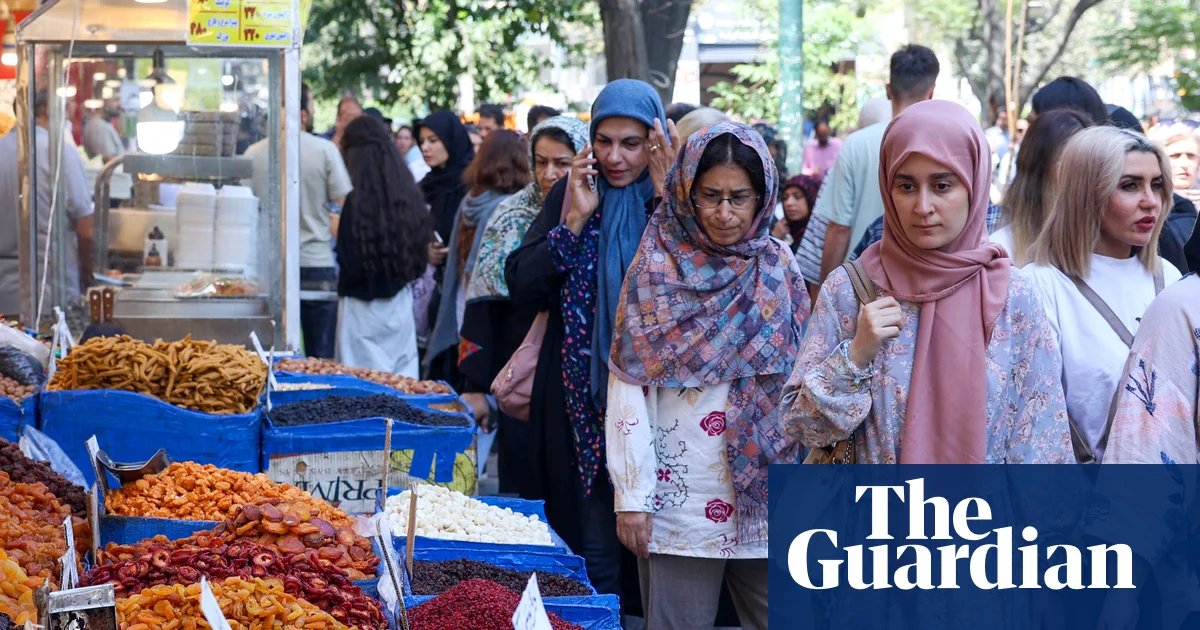
The Iranian economy is currently facing a perilous downturn. A US-led naval blockade of Iranian ports has effectively brought crude oil exports to a halt, driving costs to multi-year highs and squeezing the country’s foreign exchange income. The Iranian rial plummeted by 4.5% last week following President Donald Trump’s announcement of a “crushing economic operation” against the regime.
On social media, Trump declared in capital letters: “Iran is completely collapsing!!!”
However, Tehran is pushing back against the narrative that the state is on the brink of failure. Mohsen Rezaei, Iran’s security chief, warned of an “earthquake-like” retaliation if Washington persists. In a pointed message to Gulf neighbors, Rezaei threatened to choke off energy supplies from the region, stating, “If the countries surrounding Iran join the Americans in their economic war, not a drop of oil will leave the Persian Gulf and the strait of Hormuz.”
The Global Stand-Off
The efficacy of the new US strategy hinges on whether major global powers—specifically China, India, and Russia—will yield to American threats. China, a long-term importer of Iranian oil, has remained defiant. Despite previous threats of US sanctions against Chinese banks and refiners, Beijing has directed its firms to disregard Washington’s warnings, labeling them illegitimate and asserting its own legal statutes to shield its entities from foreign jurisdictions.
“The demand that no country allow its own banks, businesses, airports or ship registries to engage in lawful trade with another country is aimed at everyone else,” said Reza Nasri, an international lawyer associated with the Iranian foreign ministry. “Sovereignty itself is the target.”
A Return to “Square One”
Analysts suggest that the current escalation may be a sign of limited options for the White House. Hassan Ahmadian, a professor of West Asian studies at the University of Tehran, argued that the US is effectively “stepping back to square one” after failing to achieve its objectives through past military and economic measures.
“There isn’t a single new sanction,” Ahmadian said, noting that Iran has lived under various forms of economic pressure for decades. “The big fanfare about an ‘economic war’ is really just a public admission of a major step backward.”
As the standoff intensifies, the international community remains on edge. Pakistan’s army chief, Field Marshal Syed Asim Munir, arrived in Tehran on Monday for high-level talks, seeking to revive stalled negotiations regarding regional stability and the critical maritime chokepoints in the Persian Gulf.
Amidst this atmosphere of uncertainty, the world watches to see if this fresh sanctions campaign will successfully force a policy change in Tehran or if it will trigger a broader, more destructive regional conflict.