








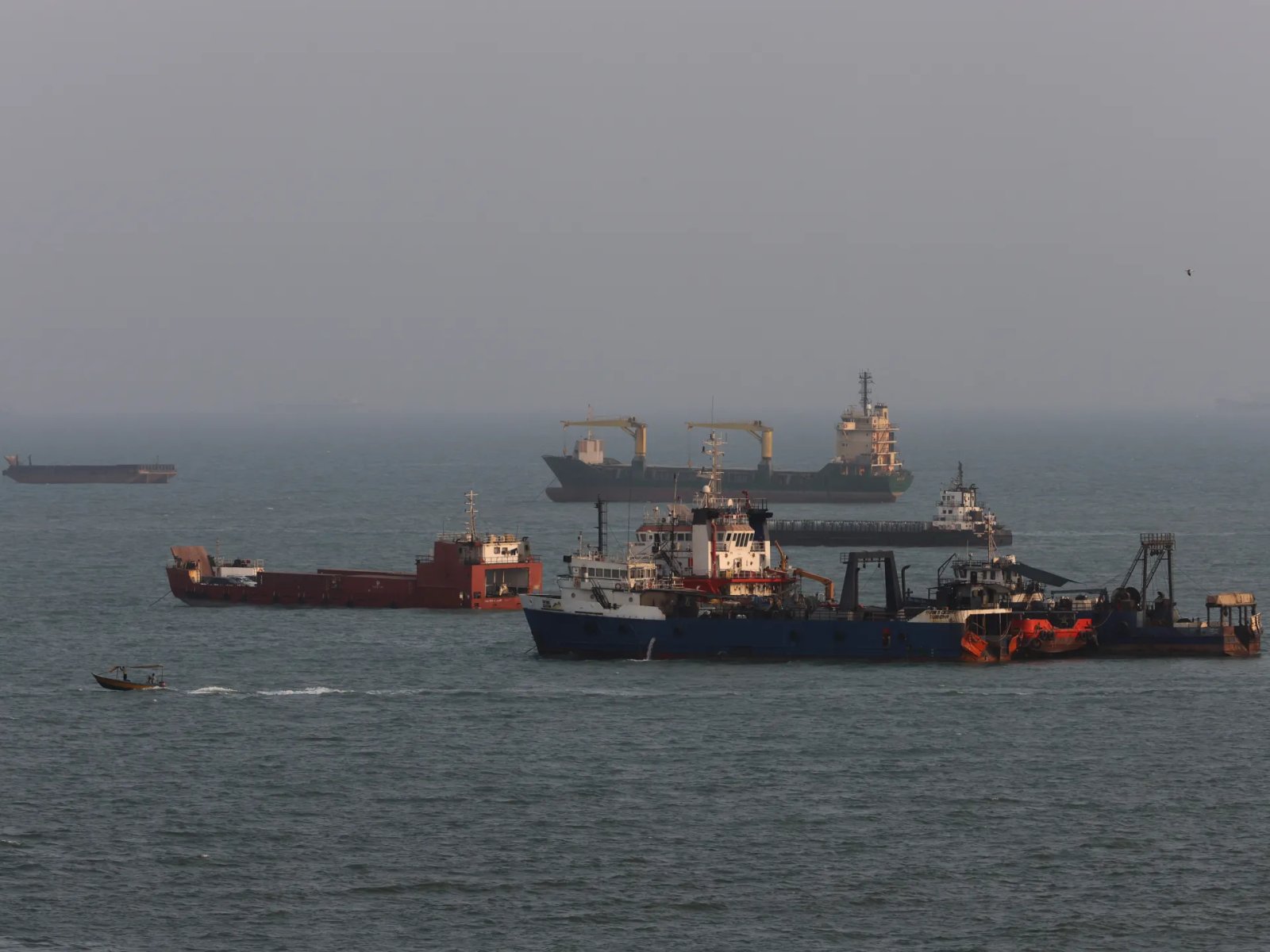
Iran Advances Legislative Plans to Impose Service Fees in the Strait of Hormuz
TEHRAN — Iranian authorities are moving forward with a controversial draft law that would mandate shipping vessels passing through the vital Strait of Hormuz to pay for “services” provided by the Islamic Republic. The legislative development, reported on August 24, 2026, signals a potential escalation in tensions over one of the world’s most critical maritime chokepoints.
The proposed regulation seeks to formalize a system where any ship authorized to transit the strait would be required to compensate Iran for maritime services, including security, surveillance, and potential emergency assistance. While Tehran has historically maintained that it plays a pivotal role in monitoring the waterway, critics argue that the move is a veiled attempt to exercise greater geopolitical control over global energy supplies.
The Strait of Hormuz serves as the world’s most important oil transit artery, with a significant percentage of global petroleum consumption flowing through its narrow channel. Any shift in the regulatory environment of this region carries profound implications for global markets.
The move comes amid a period of heightened regional volatility. According to live updates regarding the ongoing security situation, the Iranian assembly’s decision to advance this legislative framework coincides with broader strategic maneuvers in the area.
International maritime authorities and neighboring nations are closely watching the progress of the draft law. Industry experts warn that the imposition of mandatory fees could trigger disputes over freedom of navigation and the legal status of international waters. As the debate moves through Iran’s legislative body, observers expect that major global powers, particularly those dependent on energy exports through the strait, will express formal opposition to any measures that disrupt or tax commercial shipping traffic.
Tehran has yet to clarify how the fees would be calculated or how it intends to enforce compliance, but the proposal underscores the country’s intent to assert its influence over the maritime corridor. For now, shipping companies are bracing for potential changes to operational costs and the security landscape as the situation develops.