








The AI Power Struggle: Rising Anti-Datacentre Sentiment Challenges US Tech Ambitions
Across the political spectrum, from rural Texas to the halls of Congress, a wave of opposition is stalling the rapid expansion of artificial intelligence infrastructure.
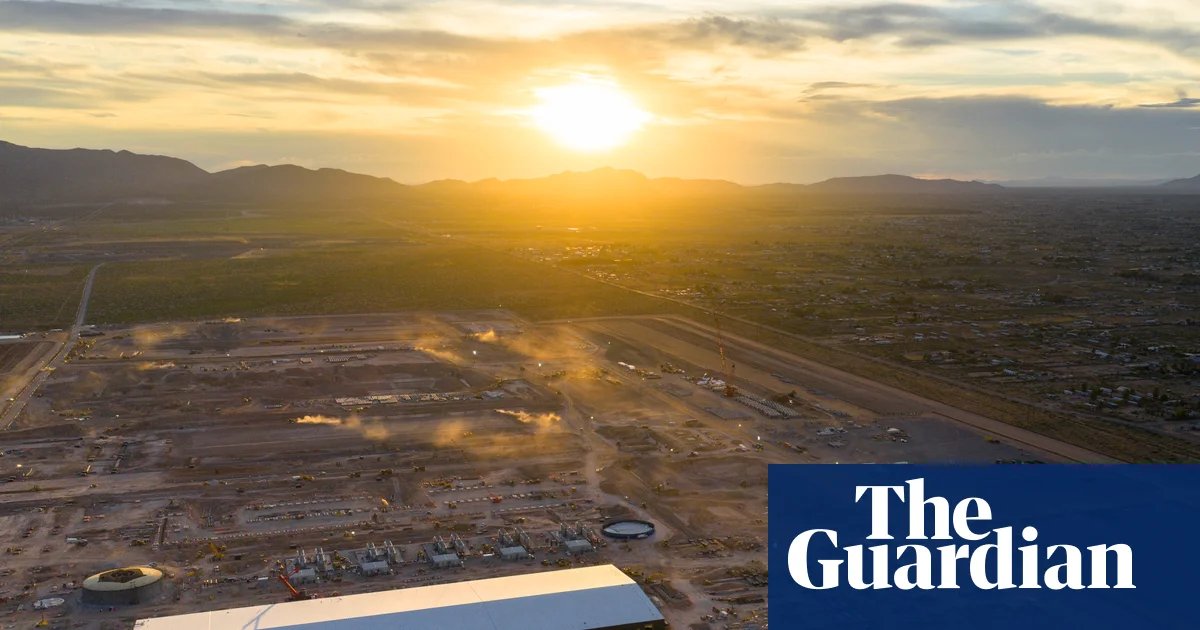
A growing coalition of environmentalists, fiscal hawks, and local residents is putting the brakes on the artificial intelligence boom. With energy demands skyrocketing, more than a dozen US states are currently considering moratoria on datacentres, signaling a significant shift in public sentiment regarding the physical footprint of the digital age.
Last month, New York became the first state to officially enact a temporary ban on the facilities, a move that echoes national legislative efforts. High-profile progressive figures, including Senator Bernie Sanders and Representative Alexandria Ocasio-Cortez, have championed a proposed national moratorium. Perhaps most unexpectedly, the movement has found traction in conservative strongholds; even Texas Governor Greg Abbott, a staunch proponent of industrial growth, has called for a freeze on datacentre development in his state’s rural regions.
The Cost of Innovation
The backlash is driven by a convergence of anxieties. Environmentally, citizens are raising alarms over the massive water consumption required for cooling systems and the potential for toxic contamination. Beyond the climate impact, a deeper cultural unease persists regarding the societal implications of the AI technologies these facilities serve.
However, the most potent driver of this resistance is financial. As the environmental impact of datacentres continues to dominate headlines, the economic reality is hitting home: these facilities consume immense amounts of electricity, and the resulting strain on the grid is threatening to inflate utility bills for ordinary households.
A major Gallup poll released in May revealed the scale of the discontent, with 70% of Americans opposed to the construction of AI datacentres in their vicinity. Nearly half—48%—indicated they are “strongly opposed,” with roughly one-fifth of respondents citing the fear of increased utility costs as their primary motivation.
A Political Tightrope
This swell in opposition has created a complex dilemma for the Trump administration. While the White House has made it a top priority for the United States to lead the world in artificial intelligence, it has also campaigned on a platform of reducing household energy costs.
In an attempt to bridge this gap, the administration announced the “Ratepayer Protection Pledge” last month. The voluntary agreement, signed by nearly 200 companies and utilities, asks developers to cover the costs of the infrastructure needed to connect their facilities to the grid.
Critics, however, are dismissing the pledge as a “paper-thin commitment.” Environmental groups, including the Sierra Club and Evergreen Action, have condemned the agreement as non-binding, noting that it lacks legal enforcement or clear penalties for non-compliance. “It’s a photo op with Big Tech,” argued Lena Moffitt, executive director of Evergreen Action.
The Path Forward
With utility prices already climbing—federal data shows rates were up 4% in June compared to the previous year—the political heat surrounding datacentres is unlikely to subside. As the gap between Big Tech’s infrastructure needs and the public’s economic anxieties widens, policymakers are being forced to explore more aggressive measures.
Proposals on the table include the implementation of specific tariffs on datacentre operators and continued calls for development freezes until rigorous energy regulations are established. As the debate intensifies, the question remains whether the promise of an AI-driven future can be reconciled with the immediate, tangible costs placed on the American ratepayer.