





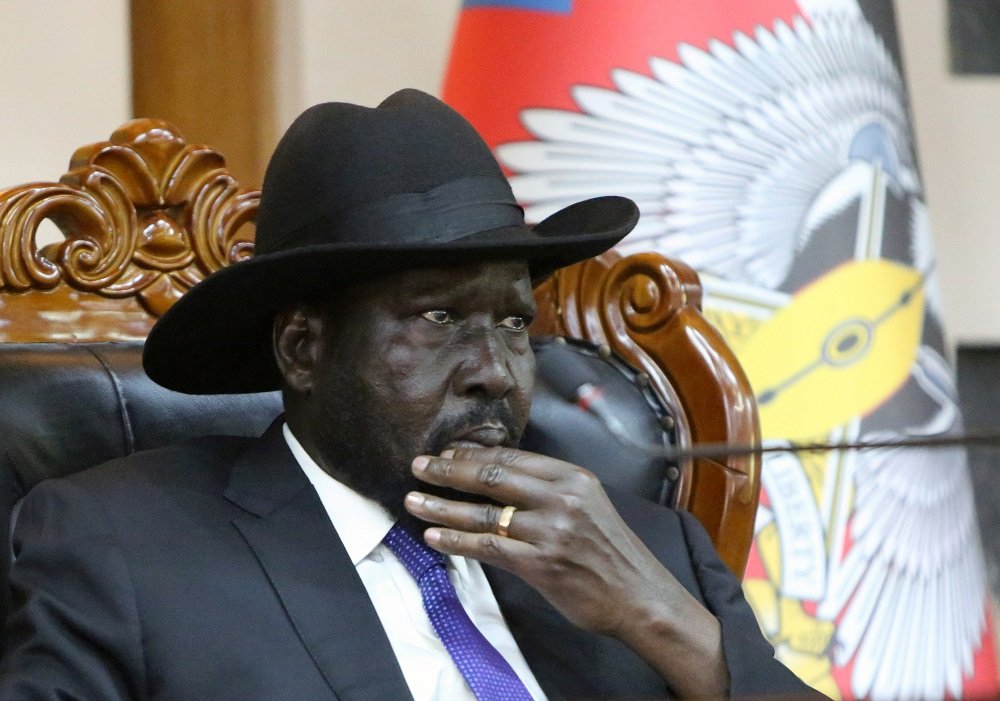
JUBA — Political uncertainty has gripped South Sudan following a surprise decree by President Salva Kiir last week to dismiss the head of the National Elections Commission (NEC), sparking widespread speculation regarding the viability of the country’s long-delayed transition to democracy.
The sudden removal of the commission’s chairperson—whose identity was not disclosed in the brief presidential statement—comes at a fragile moment for the world’s youngest nation. With the country slated to hold its first-ever general elections since independence, the unceremonious shake-up of the body tasked with overseeing the vote has sent shockwaves through the capital, Juba, and drawn sharp rebukes from international observers.
President Kiir’s office provided no official reason for the dismissal, leaving a vacuum of information that political analysts fear will exacerbate existing tensions. In a country where the implementation of the 2018 Revitalized Peace Agreement remains behind schedule, the integrity of the electoral process is seen as the final pillar for long-term stability.
“The removal of the head of the NEC without a transparent justification is a deeply concerning development,” said a representative from a regional civil society coalition monitoring the transition. “The electoral commission must be perceived as independent and impartial. Decisions made behind closed doors, without accountability, only serve to erode public confidence in whether a free and fair vote is actually possible.”
For years, South Sudan has struggled to move past the devastating civil war that began in 2013. The current power-sharing government, led by President Kiir and First Vice President Riek Machar, has repeatedly pushed back election deadlines, citing logistical hurdles, security concerns, and the failure to complete the unification of the national army.
Opposition figures have already begun to voice their alarm, suggesting that the move may be a calculated effort by the ruling party to tighten control over the bureaucratic machinery of the state. If the commission is viewed as a tool of the incumbent rather than a neutral arbiter, the risk of civil unrest increases significantly.
While the government maintains that the transition remains on track, the diplomatic community is growing restless. Members of the “Troika”—the United States, the United Kingdom, and Norway—have previously warned that any attempt to stifle the democratic process could jeopardize further cooperation. The United Nations Mission in South Sudan (UNMISS) is expected to hold emergency meetings this week to assess how this personnel change will impact the UN’s support for the upcoming electoral cycle.
As the political landscape in Juba shifts, all eyes remain on the presidential palace. Citizens are now bracing for an official announcement regarding the appointment of a successor, which many argue must be a candidate of unquestionable stature to prevent a complete collapse of the electoral roadmap. For now, the path to the ballot box remains obscured by a cloud of executive opacity.
Disclaimer: This content is auto-generated for informational purposes only.
Source: Read Original News