









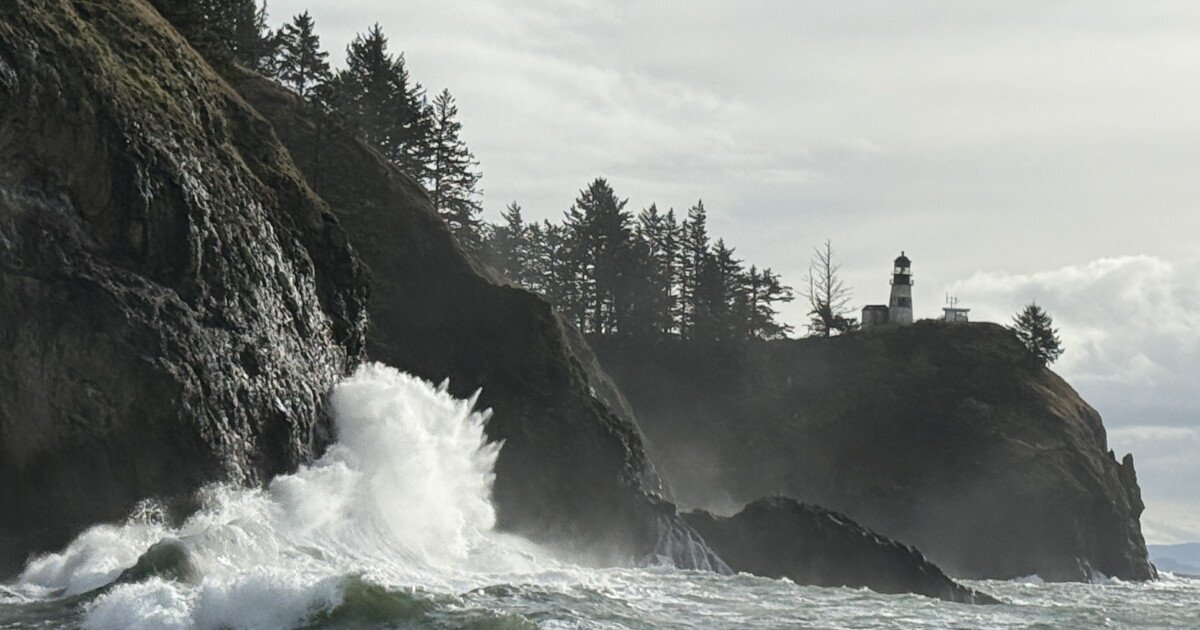
Western Washington’s coastal communities are bracing for a volatile winter as the season of “king tides”—the highest tide events of the year—begins to roll in. With the first wave expected this week, followed by subsequent surges around Christmas Eve and late January, forecasters warn that a dangerous combination of factors could push water levels to record-breaking heights.
Environmental experts point to two primary drivers behind the elevated risks. First, global climate change has already raised sea levels by approximately nine inches over the last century. Second, the current El Niño weather pattern has significantly warmed a large portion of the tropical Pacific Ocean. This heat has triggered an underwater “Kelvin wave,” which is already pushing higher-than-expected water levels toward the West Coast. In the San Juan Islands, officials have already reported tides arriving nearly a foot higher than initial forecasts.
However, experts emphasize that a record-breaking tide is not solely a result of astronomical positioning. “Extreme water levels often need a combination of things to occur,” explains Kai Parker, an oceanographer with the Washington Department of Ecology. “You might need a storm on top of a high tide on top of these elevated water levels you might see from El Niño.” Atmospheric factors, such as low-pressure systems and strong winds pushing water against the shoreline, act as catalysts that can turn a predictable high tide into a disastrous flood.
The response to these looming threats varies wildly across the region, reflecting the difficult choices facing coastal planners. In Seattle, the city has deployed sandbag flood walls along the Duwamish River to protect the South Park neighborhood, which was devastated by severe flooding four years ago. Conversely, on the Olympic Peninsula, the Quinault Indian Nation has moved beyond defensive measures. Facing year-round water intrusion, the tribe is in the process of relocating its village of Taholah to higher ground—a multi-year project nearing completion.
Meanwhile, some areas are already feeling the strain. The city of Ocean Shores is currently operating under a state of emergency following recent storm damage, highlighting the fragility of coastal infrastructure.
For residents in vulnerable areas, officials stress the importance of preparation. Because standard homeowners insurance policies typically do not cover flood damage, the path to recovery often hinges on whether local, state, or federal authorities declare an emergency to unlock public assistance.
As the king tides approach, emergency responders advise residents to remain vigilant and prioritize safety. If flooding does occur, experts recommend documenting all damage thoroughly with photos and video before initiating any cleanup efforts, and to consult with insurance representatives immediately to understand available coverage and resources. With the “dice loaded” by climate change and El Niño, this winter serves as a stark reminder of the escalating challenge facing Washington’s coastline.
Disclaimer: This content is auto-generated for informational purposes only.
Source: Read Original News