








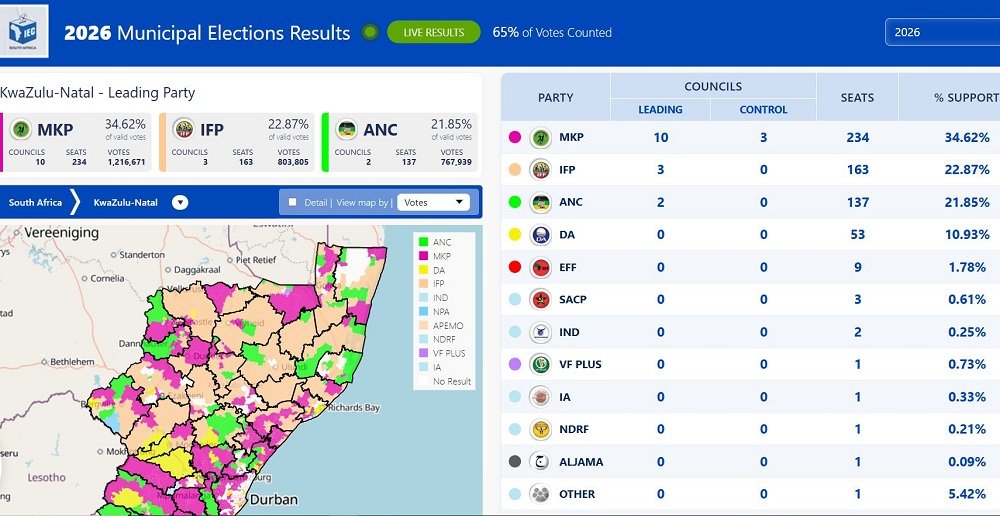
With 65% of the ballots now tallied across KwaZulu-Natal, a clear picture has emerged of a deeply fragmented electoral landscape, leaving major political parties scrambling to secure governing majorities. Political analysts are now predicting that coalition negotiations are not just a possibility, but an absolute necessity in the province’s most critical municipalities.
The latest figures from the Electoral Commission (IEC) indicate that no single party has managed to retain an outright majority in several key metropolitan and local councils. As the count progresses, the data suggests a shifting power dynamic that threatens to end decades of one-party dominance in various regions. With the threshold for a majority now out of reach for frontrunners, the race has transitioned from the ballot box to the boardroom.
“We are entering an era of political arithmetic,” says Dr. Sipho Mkhize, a senior political analyst at the University of KwaZulu-Natal. “The math is stubborn. The results indicate that the electorate has opted for a diverse representation, effectively stripping the traditional power brokers of their ability to govern alone. We are effectively looking at a ‘hung council’ scenario in almost every major municipality across the province.”
The uncertainty has sent shockwaves through local party headquarters, where leaders are already holding emergency briefings to discuss potential partnerships. Negotiators are reportedly being dispatched to hold back-channel talks, with the aim of forming stable governing coalitions before the final results are declared. However, analysts warn that these negotiations will be fraught with tension.
“These coalitions are inherently unstable,” added Mkhize. “We have seen in previous cycles that parties with vastly different ideological agendas struggle to maintain consensus. The public should prepare for a period of political volatility where the delivery of services might be hampered by bureaucratic gridlock and internal power struggles.”
The smaller, fringe parties are currently finding themselves in the role of “kingmakers.” These organizations, which previously held minimal influence, now find their support being courted by the larger parties desperate to secure the 50% plus one vote required to appoint mayors and pass budgets.
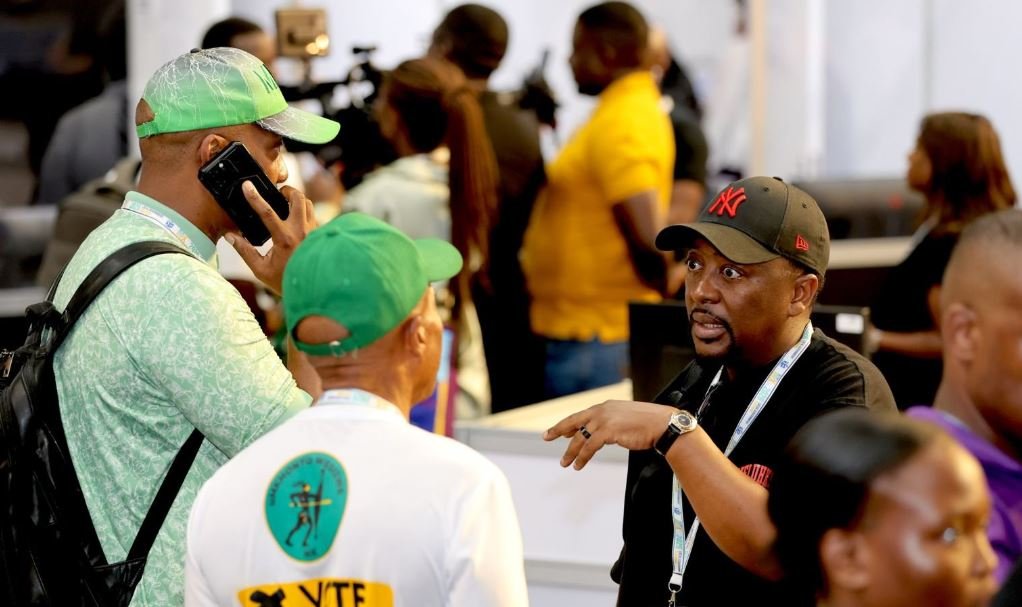
As the IEC continues to process the remaining 35% of the votes, the atmosphere at the provincial results operations center remains tense. While the counting process has been largely peaceful, the high stakes of the impending negotiations have created an environment of intense speculation.
The coming days will be pivotal for KwaZulu-Natal. Should parties fail to reach formal agreements, municipalities risk being forced into administration or, in a worst-case scenario, fresh elections. For now, the eyes of the nation are fixed on the province, as the results not only reshape local governance but set a precedent for the future of multi-party democracy in South Africa.
Disclaimer: This content is auto-generated for informational purposes only.
Source: Read Original News