




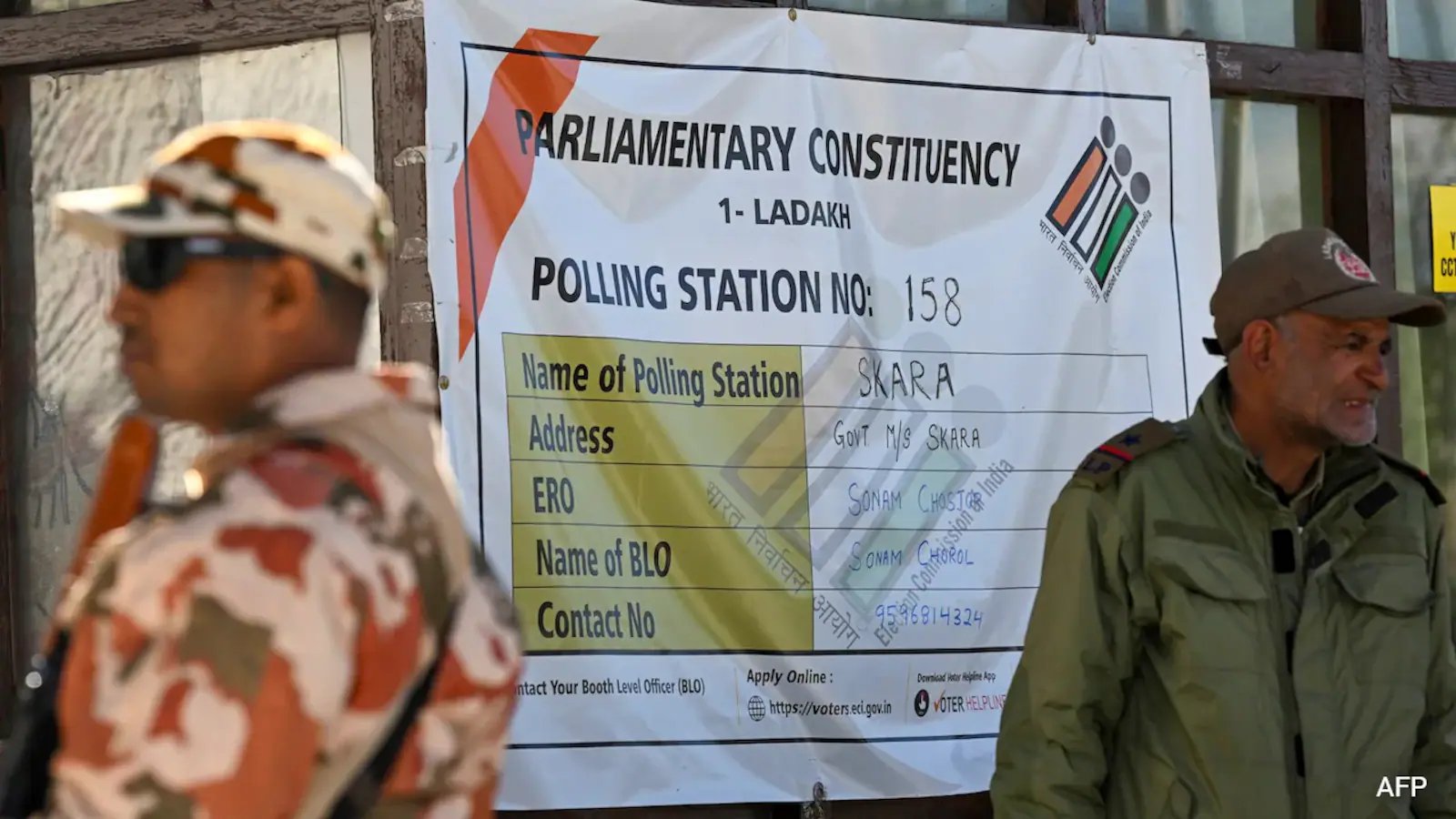
Ladakh Prepares for Landmark Elections Amid Political Turbulence and Winter Challenges
Ladakh is set to embark on a significant democratic exercise as it prepares for its first major round of elections since becoming a separate Union Territory in 2019. The administration has scheduled polls for the eight Autonomous Hill Development Councils (LAHDCs) on December 4, marking a pivotal shift in the region’s governance structure.
The upcoming vote is notable for its expanded scale, with the councils now comprising 100 constituencies. To ensure inclusive representation, 36 of these seats have been reserved for women. The nomination process for these seats is underway, with the final deadline for filings set for November 17, followed by a scrutiny phase and a withdrawal window closing on November 20. The entire electoral cycle is expected to conclude by December 8.
Administration Defends Winter Polls
The decision to conduct voting during the harsh Himalayan winter has sparked significant pushback from various political and civil society groups. Protesters argue that the freezing temperatures will hinder voter turnout and discourage participation.
Chief Secretary Ashish Kundra, however, has stood by the administration’s timeline. He emphasized the necessity of establishing the new councils before the next fiscal year, noting that elected bodies need the months of January, February, and March to finalize their budgetary allocations.
To mitigate the impact of the cold, the administration has pledged extensive support. Officials have been instructed to ensure that polling stations are equipped with heating facilities. Furthermore, dedicated queues will be maintained for elderly voters to ease their access to the booths. Drawing a parallel to the region’s education system, Kundra noted that local schools remain operational through mid-December, suggesting that the public should be able to manage the conditions to participate in the democratic process.
Restructuring Grassroots Governance
The electoral exercise follows a major delimitation process, which increased the constituency count from 26 in each of the former Leh and Kargil districts to 50 per district. According to the Chief Secretary, this expansion aligns with population shifts and existing LAHDC regulations.
These restructured councils are set to retain their current statutory authority while gaining additional responsibilities similar to those held by district-level Panchayati Raj institutions under the 73rd Constitutional Amendment. Simultaneously, the region is processing elections for 192 Panchayats and municipal bodies in Leh and Kargil. Progress is already visible, with 55 Sarpanches having been elected unopposed, while contests remain for the remaining positions.
Growing Calls for Safeguards
Despite the administration’s focus on administrative efficiency, the atmosphere in Ladakh remains tense. The electoral preparations are playing out against a backdrop of long-standing regional demands for statehood and constitutional protections under the Sixth Schedule of the Constitution.
Demonstrations have broken out across the region, with Kargil witnessing a complete shutdown to protest the election schedule. Meanwhile, the Ladakh Buddhist Association in Leh has called for an outright boycott of the municipal and Panchayat polls. While the government maintains that these elections are vital for strengthening grassroots democracy and ensuring functioning governance in the newly formed districts, the resistance highlights a significant disconnect between the local populace’s aspirations for constitutional status and the administration’s push for functional district-level institutions.
Disclaimer: This content is auto-generated for informational purposes only.
Source: Read Original News