







Lenovo Challenges the MacBook Neo with the Customizable, Colorful IdeaPad Vibe
Lenovo is officially stepping into the ring with the MacBook Neo, unveiling its latest productivity powerhouse: the IdeaPad Vibe. Designed to offer a more personalized experience, the Vibe aims to capture the market with a competitive price point, a vast array of aesthetic options, and a focus on user-serviceability that rivals the streamlined approach of its Cupertino-based competitor.
A Spectrum of Choices
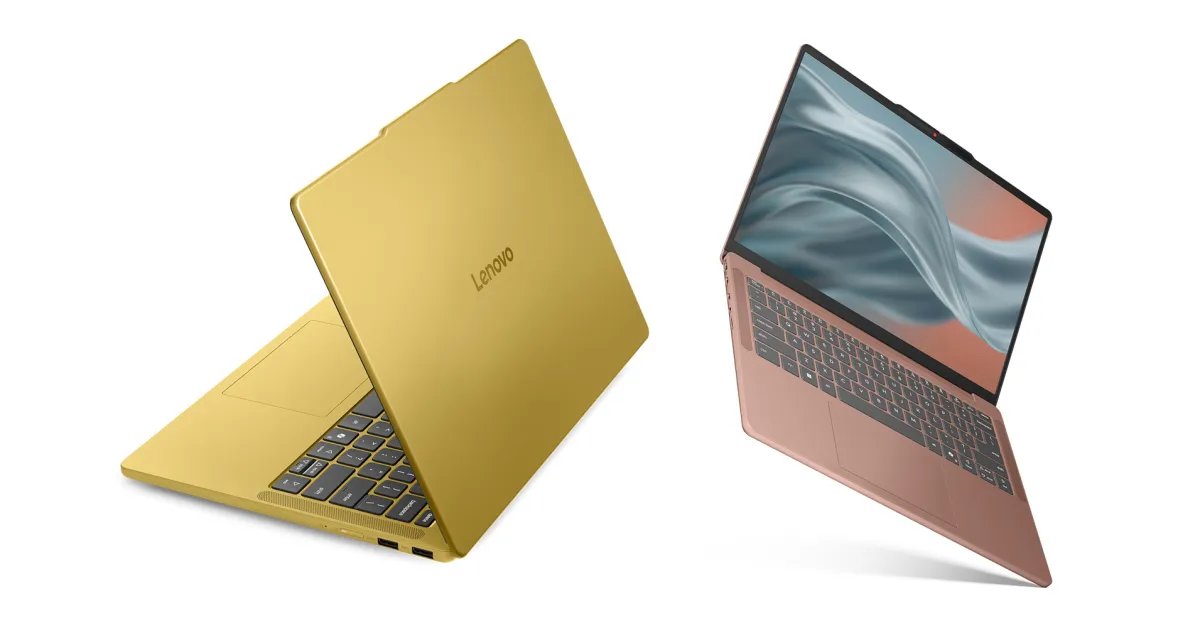
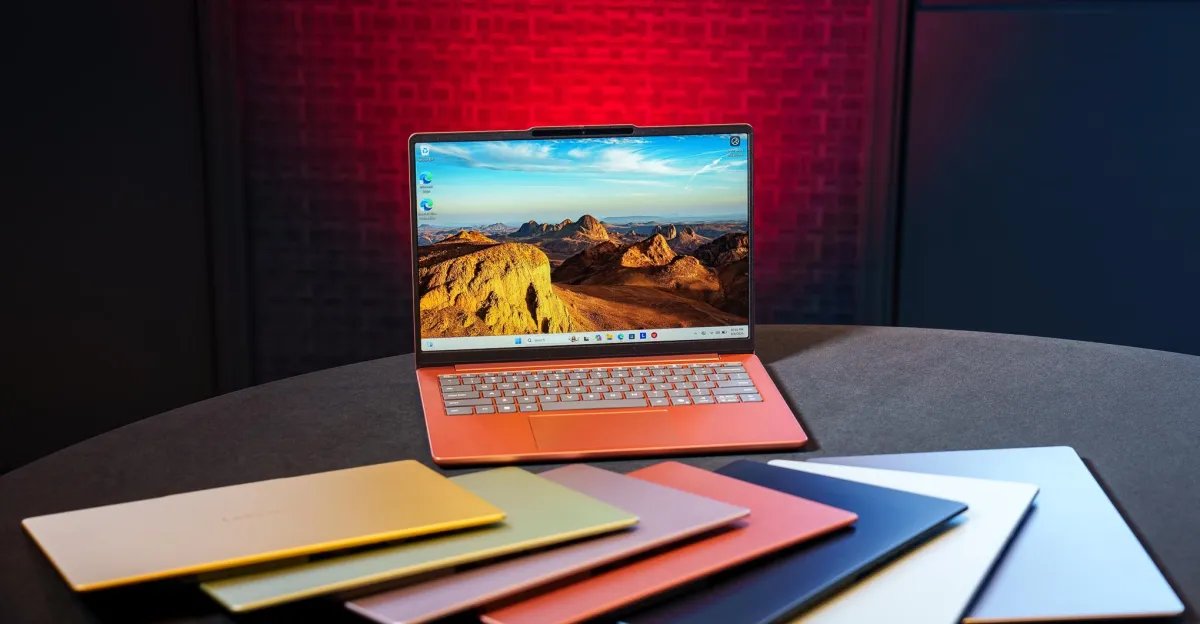
While the MacBook Neo offers a modest four-color palette, the IdeaPad Vibe pushes the envelope with seven distinct, evocatively named hues: Dreamy Violet, Spicy Gold, Zen Green, Chill Blue, Radiant Coral, Moody Blue, and Lowkey Gray.
Lenovo is taking customization a step further by allowing users to order the laptop with custom-colored keycaps. Customers can even purchase additional keycap sets to mix and match, ensuring that no two Vibes look quite the same. Furthermore, the Vibe addresses one common criticism of the Neo by including a backlit keyboard as a standard feature across all models.
Versatile Hardware Under the Hood
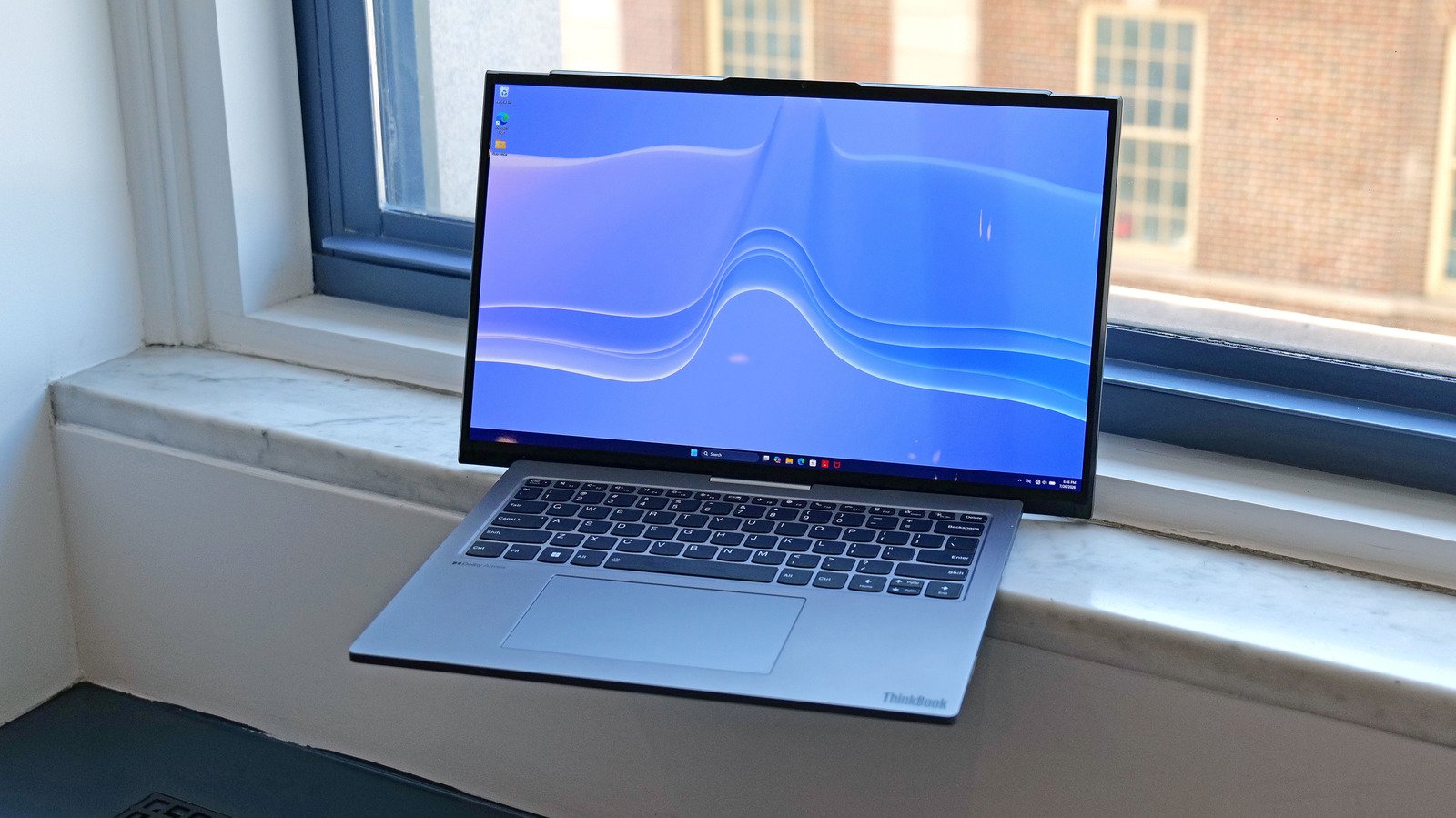
The Vibe, which serves as a significant evolution of the popular IdeaPad Slim, features a durable all-metal chassis (though some color variants utilize premium plastics). Lenovo is also moving away from legacy charging, finally adopting USB-C power delivery.
The laptop comes in 14-inch and 15-inch configurations, with a staggered release schedule for its internal hardware:
- AMD Ryzen AI 400-series: Launching in October.
- Qualcomm Snapdragon X: Launching in November.
- Intel (Wildcat Lake): Expected at a later date.
While exact base-model RAM specifications have not been disclosed, industry observers expect an 8GB starting point. However, the Vibe shines in its upgradeability: the AMD-powered version supports up to 32GB of user-replaceable dual-channel RAM, while all models feature user-accessible dual-slot SSDs for up to 1TB of storage.
Ports and Display
In an era of dongle-dependency, the Vibe offers a robust, albeit modest, port selection. Users get two USB-C ports, two USB-A ports (all capped at 5Gbps), an HDMI 1.4 port, a 3.5mm audio jack, and a microSD card reader.
Standard units come equipped with IPS LCD panels. However, users who opt for the “Lowkey Gray” or standard blue chassis can upgrade to a more vibrant touchscreen OLED display.
The Verdict?
With its flexible hardware options and a focus on modularity, the new Lenovo IdeaPad Vibe positions itself as a “fun” alternative for professionals who want to express their personality without sacrificing performance. As the device nears its late-year launch, all eyes will be on whether this blend of color and customizability can successfully steal market share from the rigid, premium ecosystem of the MacBook Neo.