





Lenovo Pushes the Boundaries of Portable Computing with New Concept Prototypes at IFA 2026
At IFA 2026, Lenovo has once again proven its position as the industry’s most prolific innovator of experimental hardware. Following the buzz surrounding their gaming-focused rollable laptop earlier this year, the company has returned with two new ambitious concepts: Project Swan and Project AeroBlade. While both devices remain firmly in the prototype stage, they offer a compelling vision of how thinness, cooling, and display technology might redefine the future of the laptop.
Project Swan: The Practicality of a Flexible Display
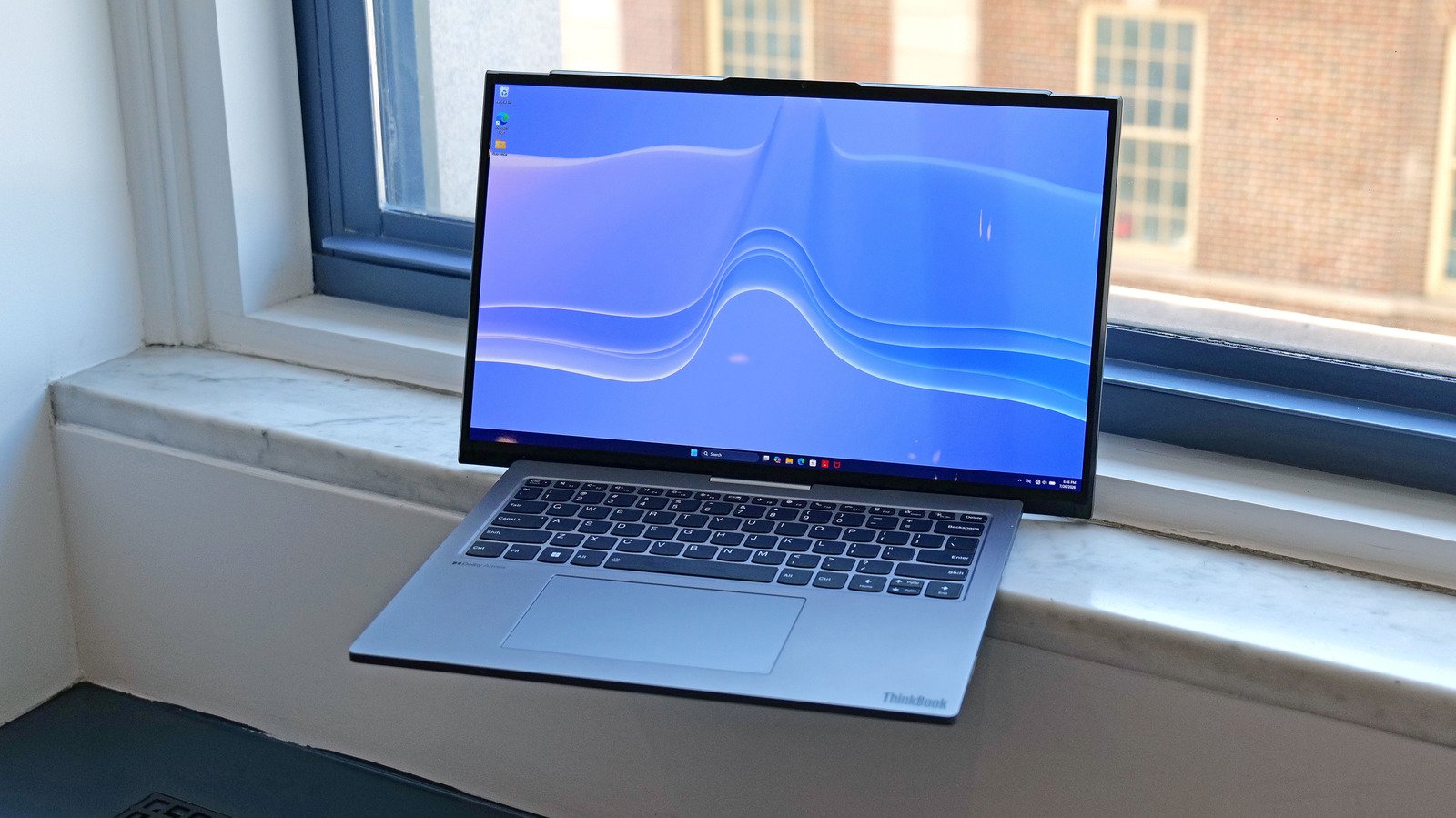
Lenovo’s Project Swan shifts the focus from specialized gaming hardware to the professional productivity segment. On the surface, the device appears to be a standard, sleek, thin-and-light notebook, measuring just 17.9mm thick and weighing 3.5 pounds. However, with the press of a button, the device transforms.
The integrated rollable display expands horizontally from a standard 14-inch form factor to a sprawling 17-inch canvas. While the additional three inches might seem modest on paper, the practical implications are significant. In hands-on testing, the wide aspect ratio proved ideal for side-by-side multitasking—comfortably housing a reference PDF next to a word processor, mimicking the workflow of a dual-monitor desktop setup.
Despite the complex mechanical feat, the device retains a premium, “normal” feel. It features a spacious touchpad, a robust keyboard, and a build quality that hides the rollable mechanism almost entirely. Aside from a faint ripple where the screen extends, the experience is remarkably polished.
Project AeroBlade: Redefining Thermal Limits
While Project Swan focuses on screen real estate, Project AeroBlade is a masterclass in miniaturization. The prototype measures an astonishing 10mm thick and weighs only 1.8 pounds, placing it in the same size category as some of the thinnest foldable smartphones on the market.
The secret to this extreme profile is the replacement of traditional, bulky cooling fans with the AirJet solid-state cooling system developed by Frore Systems. By utilizing a vibrating piezoelectric membrane to generate airflow, the AirJet creates a cooling solution that is not only thinner and quieter than mechanical fans but also more energy-efficient and resistant to dust intake.
Despite its diminutive stature, Project AeroBlade is a fully functional machine housed in a magnesium-aluminum chassis, equipped with a vibrant OLED display, multiple Thunderbolt 4 ports, and the latest Wi-Fi 7 connectivity.
The Road Ahead
Though Lenovo has confirmed there are no immediate plans to bring these specific models to the retail market, their presence at IFA 2026 serves as a powerful proof of concept. The evolution of rollable display technology and solid-state cooling suggests that the limitations of current laptop design are not as rigid as they appear.
For now, these devices stand as a testament to Lenovo’s willingness to experiment, providing a glimpse into a future where laptops can bridge the gap between extreme portability and high-end productivity. As the technology matures and costs decrease, it is likely that these “concepts” will form the blueprint for the next generation of consumer electronics.