






The Advent of Leonida: A Technical Breakthrough for PC Porting
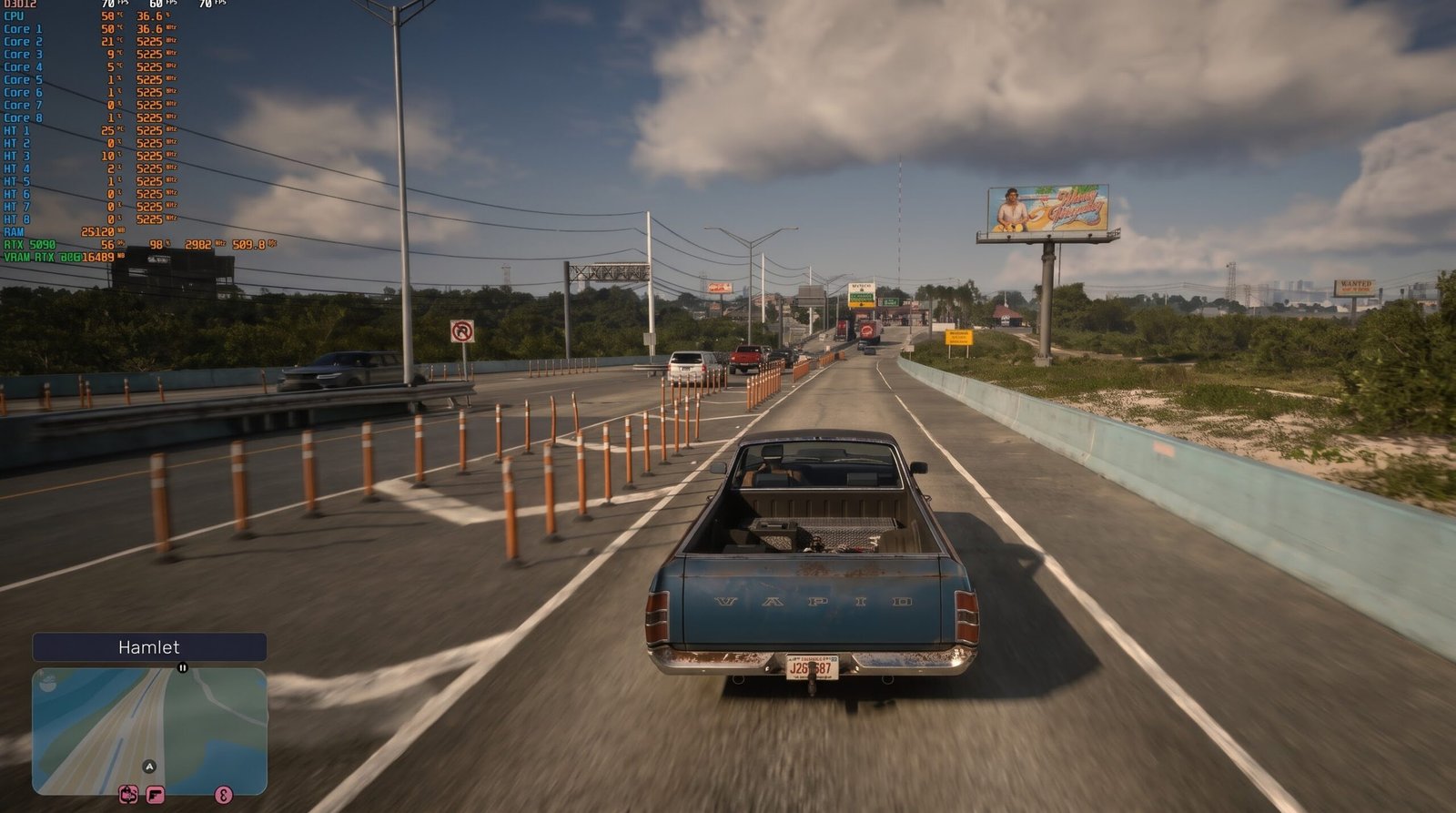
The arrival of the Leonida project has ignited significant interest within the developer and gaming communities. As an open-source initiative hosted on GitHub, Leonida seeks to achieve a feat that was previously considered impractical: the static recompilation of the Xbox Series X console version of Grand Theft Auto VI into a native application for Windows. By leveraging the inherent x86-64 architecture shared between current-generation consoles and high-end desktop computers, the project aims to bypass traditional emulation methods in favor of direct system translation.
Unlike traditional emulators that simulate hardware instructions in real-time, which often results in performance overhead, Leonida focuses on translating console-specific system calls into a format that the Windows operating system can execute natively. The core philosophy of this project is to create a bridge between the proprietary Xbox environment and the open standard of the Windows desktop, effectively allowing the game to run as a native executable. By distributing the software under the GPL-3.0 license, the contributors have ensured that the project remains a community-driven toolkit rather than a distribution platform for illicit assets.
Understanding the Mechanics of Static Recompilation
The technical core of Leonida relies on a sophisticated translation pipeline. Because the Xbox Series X utilizes RDNA2 graphics architecture, the Leonida developers have focused on mapping these proprietary graphics programs to the Vulkan API. Vulkan serves as an ideal intermediary, as it provides low-level access to graphics hardware, making it highly compatible with modern GPU architectures from NVIDIA, AMD, and Intel.
The conversion process is divided into several discrete steps. The toolkit parses the binary data found in version 1.0.2.1 of the game, identifies the graphics commands, and translates them into SPIR-V, a binary intermediate representation for shaders. This conversion ensures that the lighting, texture processing, and geometric transformations are interpreted correctly by standard PC graphics drivers. Beyond the visual layer, the project is currently working on an executable loader that will interface with the Windows kernel to manage memory allocation and task scheduling, replacing the roles typically handled by the Xbox operating system.
Resource Extraction and Tooling Requirements
The project is designed to be a local build environment, meaning users must provide their own legally obtained data files. Leonida does not distribute game files or encryption keys. Instead, it provides the automation scripts necessary to unpack the game assets. A significant amount of local storage—roughly 350 GB—is required to handle the raw asset extraction and temporary build files during the compilation process.
To successfully build the port, developers must configure a robust workstation environment. This requires the installation of the .NET 8 SDK, the Python 3.12 interpreter, and the Vulkan SDK. Additionally, the compilation process relies on the LLVM 21 compiler suite, which is essential for target-specific optimization. Because the game relies on complex audio streams, the integration of FFmpeg is required to decode XMA2 formats into readable WAV files. This rigorous set of dependencies highlights the complexity of moving software from a closed console ecosystem to an open-source, user-built environment.
Current Capabilities and Project Milestones
While the project is not yet in a state where a functional gameplay experience can be launched, the utility has reached several important milestones. To date, the Leonida toolkit has successfully demonstrated the ability to extract and convert all 26 shader programs used in the title. Furthermore, it can export three-dimensional models into the OBJ file format and textures into the industry-standard DDS format. These capabilities allow developers to inspect and verify the integrity of the ported assets.
The repository, which currently boasts over 8,200 stars, serves as a hub for collaborative development. Contributors are actively working on the emulation of 64-thread shader groups, a critical component for ensuring that modern GPUs can handle the massive parallel workloads present in the game’s engine. As development continues, the primary focus remains the completion of the executable loader and the finalization of the D3D12 to Vulkan translation layer, which will enable the game to render frames directly to the display.
Broader Implications for Software Portability
The impact of the Leonida project extends beyond a single title. By demonstrating a functional pipeline for static recompilation between console and PC environments, the project serves as a case study for software portability. If successful, such tools could challenge the industry standard of delayed or absent PC ports for console-first releases. The shift toward a native execution model provides a glimpse into a future where the distinction between console and PC versions of a game becomes purely technical, defined by software implementation rather than hardware barriers.
Furthermore, the integration of cross-platform compatibility—including support for resource extraction on Linux via Wine or Proton—underscores the commitment to hardware neutrality. This approach empowers developers and enthusiasts to explore how highly optimized console code can be adapted to thrive on diverse computing architectures. As the Leonida project matures, its success or failure will likely inform the development of future community-driven porting efforts, setting a precedent for how closed-system software can be reclaimed and executed in an open environment.
Disclaimer: This content is auto-generated for informational purposes only.
Source: Read Original News