





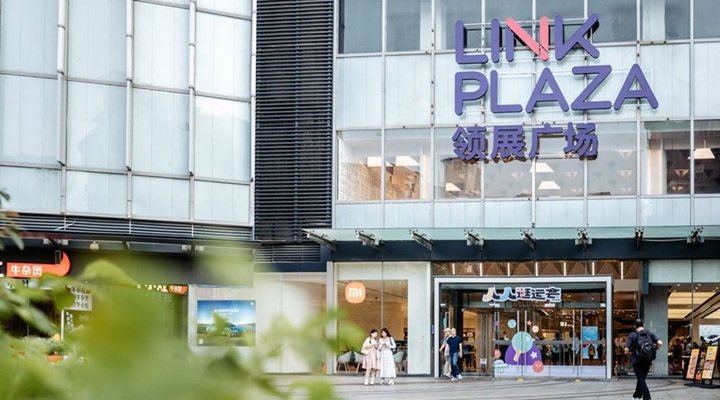
Link Real Estate Investment Trust (Link REIT), the Hong Kong-based shopping centre giant, has reported a modest downturn in its financial performance for the first half of the fiscal year ending September 30. Despite a challenging macroeconomic landscape characterized by shifting consumer behaviors and volatile interest rates, management has characterized the results as a “resilient performance” that demonstrates the underlying strength of its diversified portfolio.
For the six-month period, the company recorded a revenue of HK$6.9 billion (US$880 million), representing a 1.6 per cent decline compared to the previous year. This dip follows a similar downward trend observed in the previous fiscal year, where the company saw a 2 per cent drop in revenue. Net property income (NPI) also saw a slight contraction, falling 0.8 per cent to HK$5.1 billion.
The financial results were primarily impacted by negative rental reversions within the Hong Kong retail sector, a lagging recovery in non-discretionary spending, and a persistent structural shift toward online shopping platforms. As a cornerstone of the company’s holdings, the Hong Kong portfolio—which accounts for more than half of Link’s total revenue—faced significant headwinds, recording a 2.7 per cent decline in revenue and a 2.9 per cent drop in NPI.
Despite these pressures, the company maintained high operational standards. Distribution per unit remained steady at 127.25 cents, a milestone management attributed to disciplined cost control and rigorous capital management strategies. Furthermore, the company managed to slightly improve its NPI margin through sustained efficiency initiatives and active management of operating costs.
Link REIT Chairman Duncan Owen acknowledged the difficulties of the current environment but highlighted the company’s focus on stability. “We are seeing early signs of stabilisation in parts of our core portfolio, although we expect our income to continue to edge down mainly in our Hong Kong retail segment,” Owen stated.
A key highlight of the report was the sustained high occupancy rates across the firm’s geographic footprint. Despite the financial cooling, the Hong Kong retail portfolio maintained a robust 97 per cent occupancy rate. Similarly, the Mainland China portfolio saw occupancy hold at 97.5 per cent, despite a 2.9 per cent slide in revenue. The international portfolio proved to be a standout in terms of physical utilization; properties in Australia and Singapore achieved remarkable occupancy rates of 99.8 per cent and 99.2 per cent, respectively, with revenue in the international segment declining only marginally by 0.3 per cent.
The broader retail environment continues to grapple with the dual challenges of high interest rates and changing shopping habits. For Link REIT, the strategic priority remains the navigation of these external pressures while protecting the value of its core assets. While the immediate outlook suggests a continued, albeit slow, downward trajectory for income in the Hong Kong segment, the company’s ability to maintain near-full occupancy across its international and domestic properties underscores a level of market confidence in its asset quality.
As Link REIT moves into the second half of the fiscal year, analysts will be watching to see if the “early signs of stabilisation” mentioned by the Chairman translate into a reversal of the current revenue trend or if the company must continue to rely on internal cost-management strategies to safeguard shareholder distributions. For now, the firm remains focused on efficiency and the long-term resilience of its portfolio in an increasingly digital and cost-sensitive retail market.
Disclaimer: This content is auto-generated for informational purposes only.
Source: Read Original News