







The Pan-Indian Power Move: Lokesh Kanagaraj and Mythri Movie Makers Join Forces
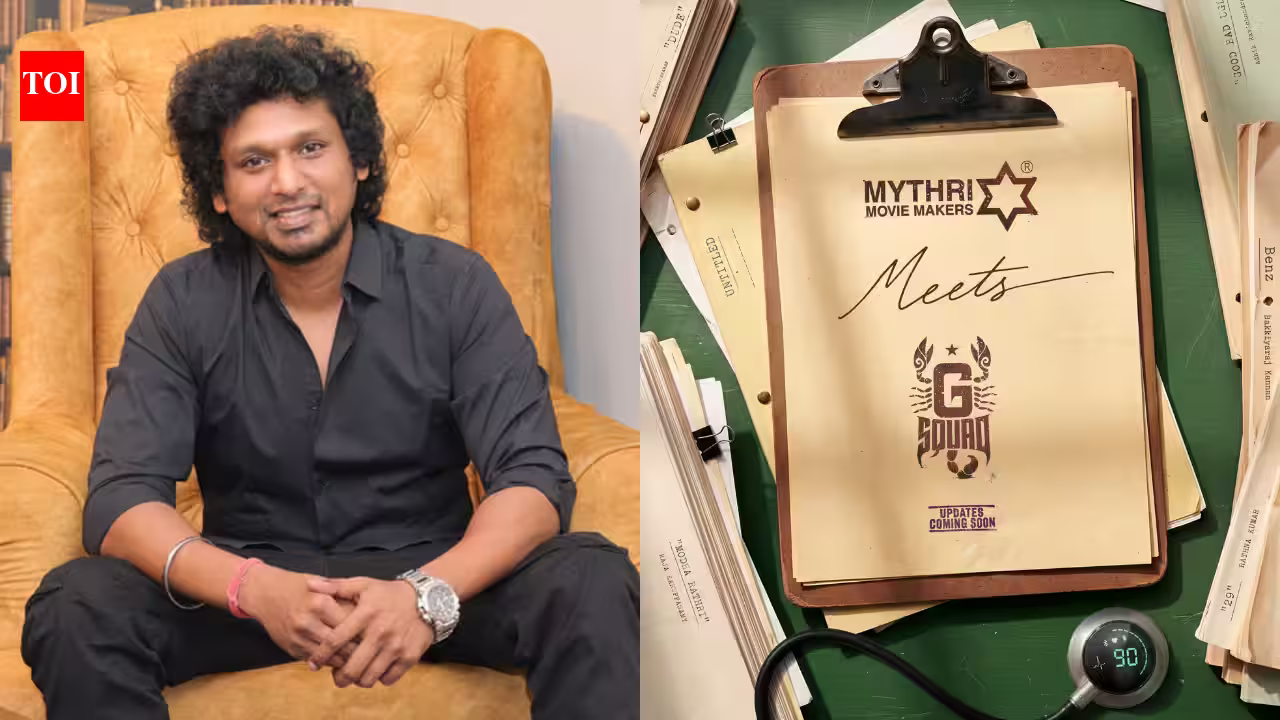
In an industry where the map is increasingly being redrawn by regional titans joining hands, the latest announcement out of South India has sent shockwaves through the film fraternity. Lokesh Kanagaraj—the visionary architect of the Lokesh Cinematic Universe (LCU)—has officially signaled a strategic partnership between his production banner, G Squad, and the heavy-hitting Telugu powerhouse, Mythri Movie Makers. While the press release was characteristically cryptic, the implications of this union are massive, potentially signaling a seismic shift in how cross-industry collaborations are structured in the post-pandemic cinema landscape.
Mythri Movie Makers and G Squad: A Strategic Alliance
When Mythri Movie Makers, the production engine behind global phenomena like Pushpa: The Rise and the highly anticipated Pushpa 2: The Rule, aligns itself with a filmmaker whose brand is synonymous with high-octane, stylish, and narratively dense cinema, the industry pays attention. The joint statement, released via X, was short on specifics but heavy on intent, promising “fresh energy and powerful stories.”
By bringing G Squad into the fold, Mythri is clearly looking to diversify its already formidable portfolio. Lokesh Kanagaraj’s G Squad has been steadily carving out an identity as a boutique home for distinct, genre-bending narratives. Whether this partnership aims to produce a singular mega-budget spectacle or a series of innovative mid-budget ventures remains the million-dollar question. However, one thing is certain: when you combine the logistical muscle of a studio like Mythri with the razor-sharp creative vision of a director like Lokesh, the result is rarely anything short of a theatrical event.
The LCU Shadow: Rolex, Benz, and Fan Theories
It is a testament to Lokesh Kanagaraj’s influence that every move he makes is immediately filtered through the lens of the “LCU” (Lokesh Cinematic Universe). Following the announcement, the digital sphere erupted into a frenzy of speculation. Die-hard fans of Vikram and Leo were quick to posit that this collaboration might finally be the vessel for the elusive Rolex standalone film, featuring Suriya’s iconic drug lord, or perhaps the mysterious Benz, which has been floating in the ether of fan theories for months.
While there is no official word confirming that this deal is anchored in the LCU, the desire for a direct crossover or a expansion into the Telugu-speaking belt for these stories is palpable. Mythri Movie Makers has a stellar history of distributing and producing films that bridge the gap between Tamil and Telugu markets effortlessly. If this partnership is, in fact, the key to unlocking a spin-off of the LCU, it would represent a masterful piece of cross-market storytelling, treating audiences across the peninsula to a shared cinematic lore that transcends linguistic borders.
Beyond the Director’s Chair: The Evolving Role of Lokesh Kanagaraj
To label Lokesh Kanagaraj simply as a “director” has become increasingly inaccurate over the last two years. He is a producer, a showrunner, and, quite recently, a bona fide lead actor. His foray into acting with the romance crime thriller DC—directed by the gritty and uncompromising Arun Matheswaran—surprised many, but the box office figures were the real headline. Pulling in over Rs 100 crore in worldwide theatrical gross, the film proved that Lokesh possesses a rare “star pull” that usually belongs to the lead actors he directs.
This move to partner with Mythri Movie Makers may be part of a larger plan to decentralize his creative output. Is he looking to step back from the director’s chair to focus on curating content? Or is he utilizing G Squad to facilitate his own directorial projects with the backing of a larger studio? Given his upcoming slate, including the high-profile collaboration with Allu Arjun (tentatively titled AA23), Lokesh is clearly moving toward a model of global-scale production. He is positioning himself as an industry polymath—a creative force who understands both the art of the frame and the math of the box office.
What’s Next: A Pan-Indian Paradigm Shift?
The ambiguity surrounding the project is, in many ways, by design. In the current era of “leaks” and constant social media pressure, keeping the details of a major project under wraps is a bold move. It builds anticipation in a way that traditional marketing campaigns often fail to do. Whether this project turns out to be a Tamil-language film with a massive Telugu release, or a bilingual feature designed specifically for both markets, the partnership itself is a statement.
It signals that the barriers between the major film industries of India are becoming increasingly porous. We are moving away from a world of “remakes” and toward a world of “collaborations.” By tapping into the creative energy of a filmmaker like Lokesh and the infrastructure of a house like Mythri, the project is already insulated against the common pitfalls of regional cinema.
As the industry waits for the “updates coming soon” promised by the producers, one thing is clear: Lokesh Kanagaraj is no longer just making films; he is building an ecosystem. Whether that ecosystem involves the brutal underworld of Rolex, a new standalone story, or something entirely experimental, the audience is ready. For now, we wait for the next chapter in what has become one of the most exciting careers in contemporary Indian cinema. One thing is certain—when the formal announcement finally drops, it will likely necessitate a rewrite of the rulebook for what constitutes a “pan-Indian” blockbuster.
Disclaimer: This content is auto-generated for informational purposes only.
Source: Read Original News