









The Breath of Life: How London’s Clean Air Policy is Transforming Children’s Health
Ten years ago, Alastair Harper, then an advocate for youth health, was interrupted in a London meeting room by a frantic phone call. His young daughter was being rushed to a major hospital in a blue-lit ambulance, struggling to breathe the city’s toxic air.
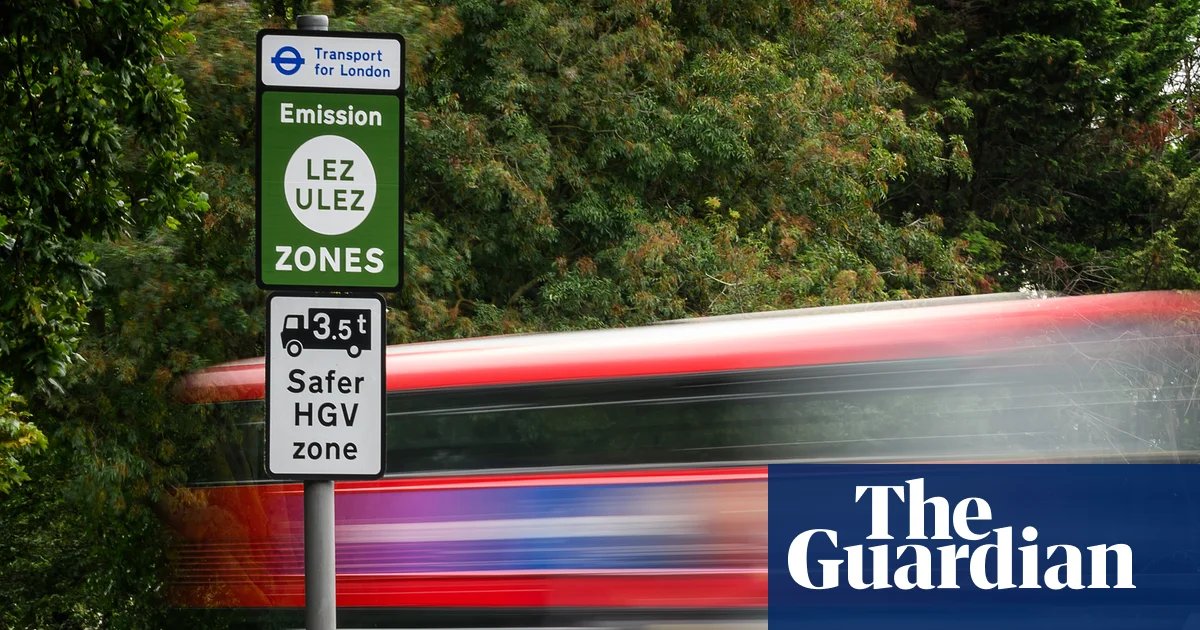
Today, that same city tells a very different story. A landmark study from Queen Mary University London (QMUL) has confirmed that children’s lungs have grown bigger and stronger since the implementation of London’s Ultra-Low Emission Zone (Ulez). By restricting the most polluting vehicles, the policy—spearheaded by Mayor Sadiq Khan—has drastically reduced nitrogen dioxide levels, offering tangible health benefits to the next generation.
From Crisis to Recovery
For years, the statistics regarding London’s air were grim. Between 6,000 and 8,000 people were estimated to die prematurely in the capital annually during the late 2010s. In a historic 2020 inquest, air pollution was officially listed as a cause of death for the first time in the UK, following the tragic 2013 passing of nine-year-old Ella Adoo-Kissi-Debrah.
For Harper, who later served as an environmental adviser to Khan, the QMUL findings are deeply personal. “To know now that same air is so much safer for the kids that breathe it because of the political choice of one man makes me feel proud of this city,” he says.
A Global Health Imperative
The connection between air quality and public health is undeniable. Experts like Nick Hopkinson, a professor of respiratory medicine at Imperial College London, note that the evidence linking pollution to heart disease, stroke, dementia, and cognitive delays in children is overwhelming. With the World Health Organization estimating that air pollution claims 7 million lives globally each year, the push for clean air zones has become a top priority for urban centers worldwide.
From Bogotá, which uses clean air zones to expand cycle lanes and restore local green spaces, to Nairobi, where authorities have launched an ambitious air quality act, cities are beginning to recognize that technology for change exists. The challenge, however, remains political.
The Cost of Disinformation
Despite the clear health gains, policies like Ulez have frequently sparked intense opposition. In London, the expansion of the zone faced legal challenges, protests, and a surge in online misinformation. This "culture war" approach, often fueled by conspiracy theories regarding "15-minute cities," has made other leaders hesitant to adopt similar measures.
Critics of clean air policies often cite economic costs, yet studies show that pollution itself carries a heavy financial burden through lost work days and strained healthcare systems. Furthermore, those most affected—children and vulnerable citizens—are often the least responsible for the emissions that plague their neighborhoods.
The Road Ahead
While London serves as a model for success, it is not yet a victory lap. New sources of pollution, such as the rise of wood-burning stoves, continue to threaten progress. With over 110,000 children admitted to London hospitals with breathing difficulties in 2024, the need for further, tougher measures is clear.
As the scientific evidence mounts, advocates hope the data will finally silence the "madness" of climate and health denialism. As Professor Hopkinson bluntly puts it, the debate has moved beyond policy preferences: "The question for pro-pollution campaigners is: ‘Why do you hate children?’"