








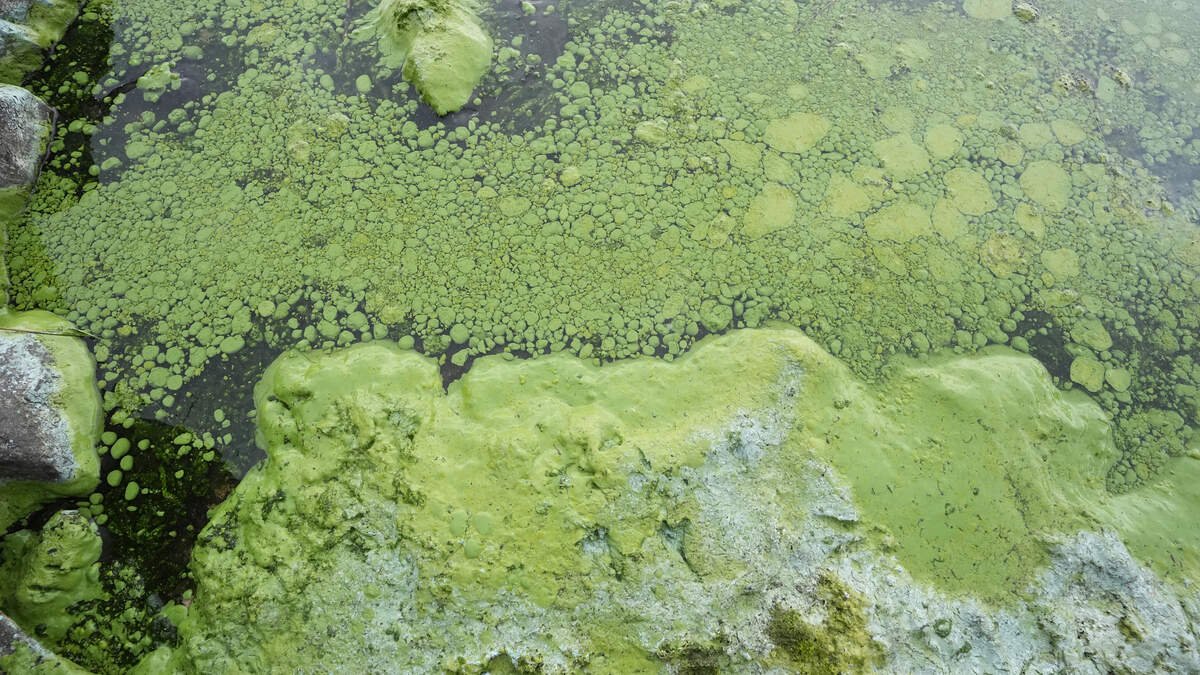
Despite the escalating environmental crisis plaguing Lough Neagh, characterised by persistent and widespread blue-green algae blooms, official figures reveal a strikingly low rate of enforcement actions against polluters. Over the past five years, a mere 129 instances of enforcement have been pursued by environmental authorities, a number that starkly contrasts with the severity and scale of the ecological degradation. This alarming discrepancy has prompted widespread criticism and concern from political figures and environmental groups alike, who are demanding greater accountability and more robust measures to protect Northern Ireland’s largest freshwater lake.
The impact of the ongoing pollution crisis on Lough Neagh is profound and multifaceted. The proliferation of blue-green algae, also known as cyanobacteria, poses a significant threat to aquatic ecosystems, diminishing biodiversity and disrupting the delicate balance of the lake’s natural habitats. These algal blooms can deplete oxygen levels in the water, leading to fish kills and harming other aquatic life. Furthermore, certain types of blue-green algae produce toxins that are harmful to humans and animals, raising serious public health concerns for those who come into contact with the contaminated water. The economic repercussions are also substantial, affecting industries reliant on the lake, such as fishing and tourism, and impacting the availability of safe drinking water for a significant portion of the population.
Critics argue that the current enforcement regime is demonstrably inadequate in addressing the root causes of the pollution. The limited number of enforcement actions suggests either a lack of comprehensive monitoring, a reluctance to prosecute offenders, or insufficient resources dedicated to environmental protection. Political leaders, such as the SDLP, have vocalised their dismay, highlighting that this low rate of prosecution raises serious questions about the effectiveness of the Executive’s approach to environmental stewardship. They contend that without a more proactive and punitive enforcement strategy, polluters will continue to operate with impunity, exacerbating the problem and further imperilling the future of Lough Neagh. The public’s trust in regulatory bodies to safeguard our natural resources is undoubtedly eroded by this perceived inaction.
Addressing this critical environmental challenge demands a multi-pronged approach. There is an urgent need for increased investment in monitoring technologies to accurately identify sources of pollution, ranging from agricultural run-off to industrial discharge. Stricter regulations, coupled with a transparent and vigorous enforcement framework, are essential to deter potential polluters. Furthermore, public awareness campaigns are crucial to educate communities about sustainable practices and the collective responsibility in preserving precious environmental assets like Lough Neagh. The long-term health of the lake, and indeed the well-being of the communities that depend on it, hinges on a decisive and sustained commitment to environmental protection and the willingness to hold polluters accountable.