








Trade Tensions Escalate: Canada Suspends Negotiations, Vows Retaliation Against US Tariffs
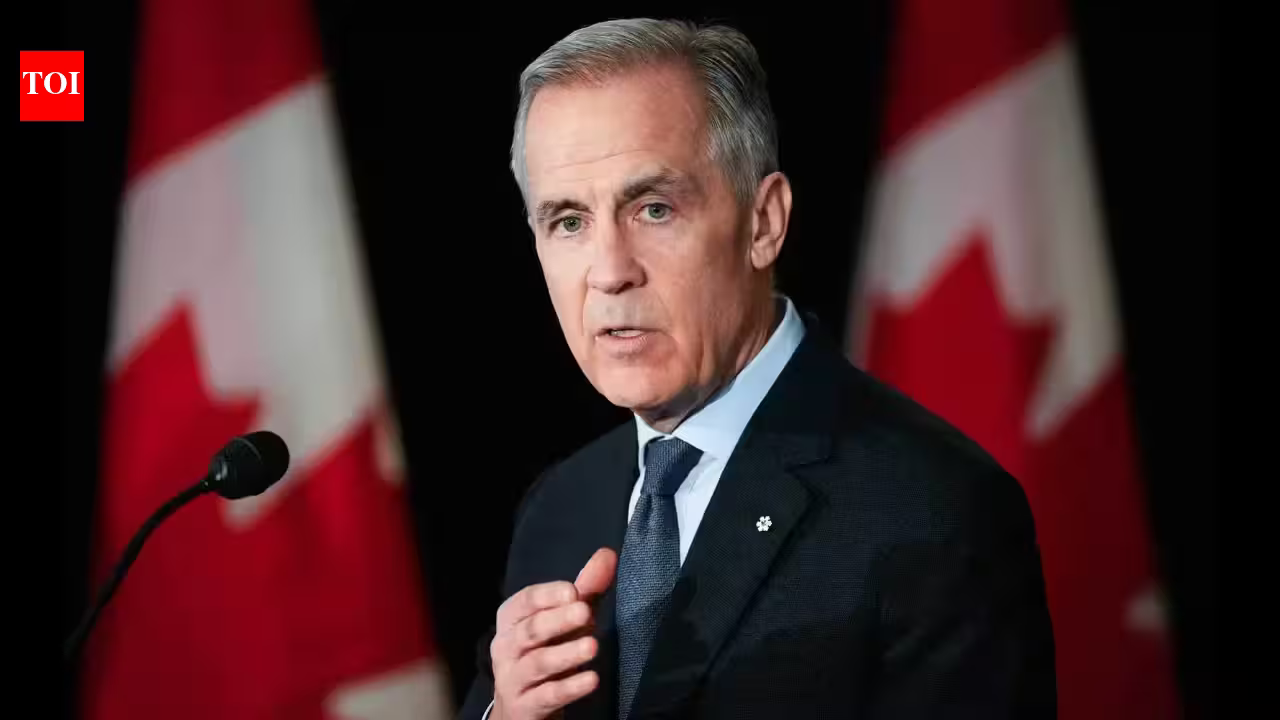
OTTAWA – Canadian Prime Minister Mark Carney has officially suspended trade negotiations with the United States, marking a dramatic breakdown in relations between the two North American neighbors. The decision, announced on Saturday, follows a series of late-stage demands from Washington that Ottawa officials deemed “uneconomic” and an affront to Canadian sovereignty.
The collapse of the talks has triggered an immediate trade conflict, with the United States moving to impose 50% tariffs on $20 billion worth of Canadian goods. In response, Prime Minister Carney has vowed to match the American measures “dollar for dollar,” with retaliatory actions slated to take effect on September 8.
"Masters in Our Own Home"
The suspension comes after both nations appeared to be on the verge of a breakthrough earlier in the week. However, the mood soured when the U.S. introduced what Canadian officials described as aggressive, last-minute conditions.
“While we believed earlier this week that we were moving towards a mutually beneficial agreement, in recent days, the United States proposed new terms that were uneconomic, unfair, and undermined the net benefits for Canada,” Carney stated. Defending the move to recall his negotiators, he declared, “We are masters in our own home. In short, they asked too much, and they offered too little.”
Core Points of Contention
The breakdown was fueled by a wide array of U.S. demands that went well beyond standard tariff adjustments:
- Sovereignty and Cultural Protections: Carney expressed strong opposition to U.S. demands that he claimed threatened the French language and Quebecois culture, labeling such requirements “unacceptable.”
- Restriction of Global Trade: Canada took issue with U.S. efforts to limit Ottawa’s ability to pursue independent trade agreements with other nations, a move Carney argued contradicted Canada’s commitment to expanding its global market access.
- Automotive and Industrial Impacts: The U.S. allegedly introduced terms that would have stripped away vital tariff relief for Canadian-made vehicles, while also weakening domestic protections for various industries.
Carney accused the U.S. administration of using “economic integration as a weapon,” warning that such tactics have cast doubt on the reliability of any future deals.
Conflicting Perspectives
While Ottawa framed the collapse as a matter of defending national dignity and economic viability, U.S. trade representative Jamieson Greer defended the aggressive stance, citing the necessity of protecting American supply chains and workers.
“We’ve said enough, and so we’ve taken countermeasures,” Greer said in an interview with Fox & Friends Weekend. He insisted that Washington had offered meaningful concessions on steel, autos, and lumber, but claimed Canada remained unwilling to finalize an agreement that would have been "better" for them.
A Shifting Economic Landscape
The dispute serves as the latest chapter in a strained relationship defined by the Trump administration’s protectionist agenda. With nearly 72% of Canada’s goods exports destined for the United States, the potential economic fallout is significant. The new U.S. tariffs, authorized under a rare provision of the 1930 Tariff Act, are expected to hit a wide range of Canadian sectors, including dairy, electronics, and pulp and paper.
As both nations dig in, the prospect of a restored partnership remains uncertain. For now, the suspension of trade talks serves as a stark reminder of the fragile nature of international economic cooperation in the current political climate. Canada has signaled its intent to protect its exposed industries, leaving both sides to brace for a period of economic friction.