





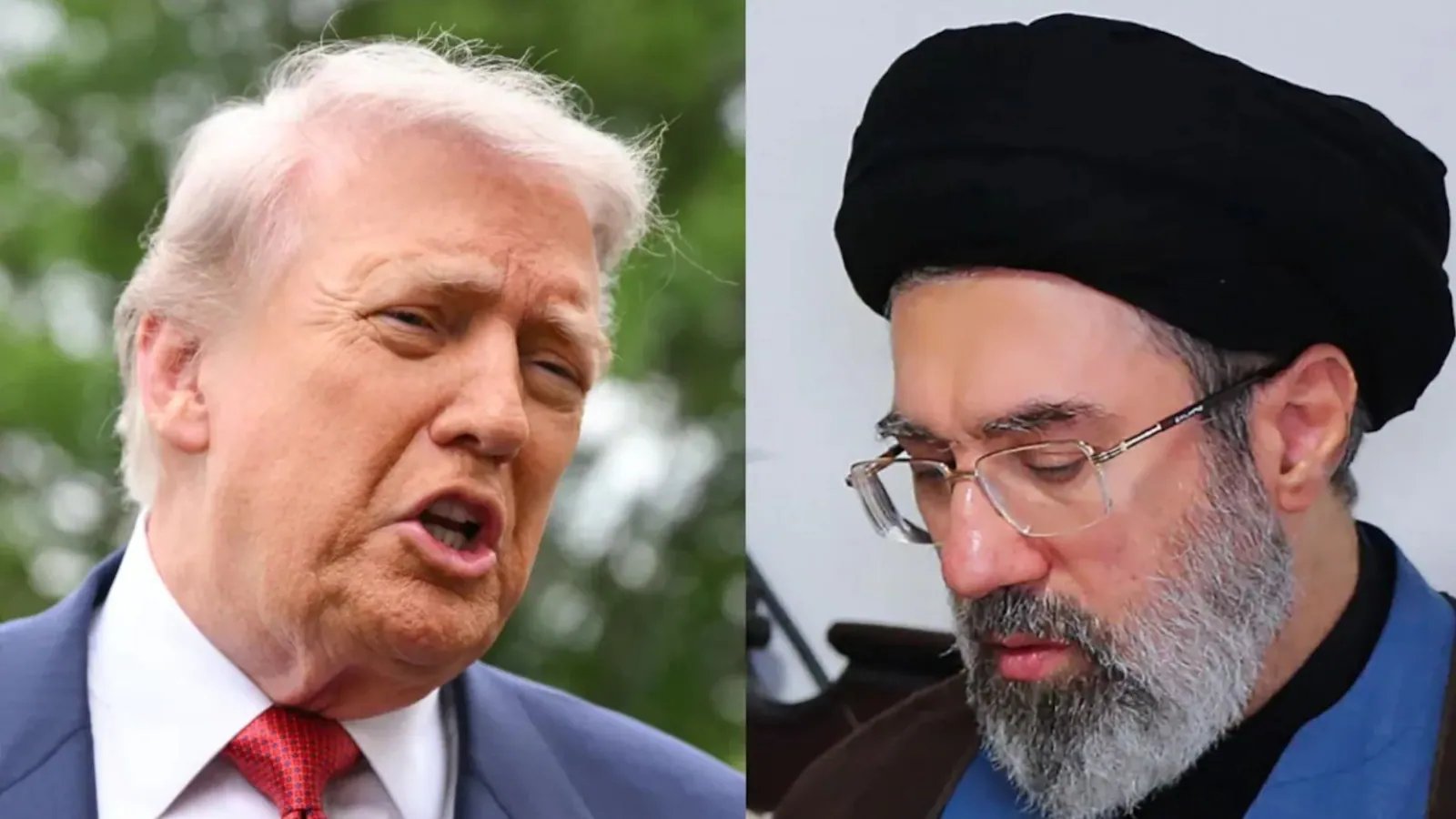
Iran Threatens Retaliation Against Nations Joining U.S. "Economic War"
TEHRAN — In a sharp escalation of rhetoric, Iranian officials issued a stern warning on Saturday to the international community, declaring that any nation participating in the United States’ campaign of economic pressure will be treated as an enemy of the Islamic Republic.
The declaration came from Mohsen Rezai, head of Iran’s Supreme National Security Council, who appeared on state television to denounce Washington’s efforts to isolate the Iranian economy. As the current conflict approaches its six-month milestone, the U.S. has intensified its diplomatic push, urging allies to align with its policy of aggressive sanctions.
"We declare to all countries: do not join the economic war waged by the United States," Rezai said during the broadcast. He underscored that any government opting to impose or enforce economic restrictions against Tehran would be classified as an adversary, warning that Iran would not hesitate to "harm" the interests of those who fail to distance themselves from Washington’s initiatives.
A Shift from Military to Economic Targets
While Iran has primarily restricted its defensive actions to military installations thus far, Rezai signaled a potential shift in strategy. He claimed that the Islamic Republic possesses significant leverage that it has yet to utilize.
"So far, we have only targeted military bases, but if they want to impose economic sanctions on us, the United States has oil and economic companies around Iran and elsewhere, and we will strike them," Rezai warned. He further cautioned that if President Donald Trump chooses to escalate the current friction, the resulting confrontation would be "like an earthquake."
Global Diplomatic Friction
The U.S. strategy to isolate Iran has faced mixed reactions on the global stage. Washington has specifically leaned on strategic partners, including China, to support its economic blockade. Beijing, however, has pushed back, openly criticizing the initiative and arguing that unilateral sanctions will only exacerbate regional instability rather than resolving the core conflict.
The regional impact of these policies has already begun to materialize. Earlier this week, the United Arab Emirates—a major trading partner for Tehran—confirmed that it was suspending all trade and financial transactions with the Islamic Republic until further notice.
As global powers weigh their allegiances, the situation remains volatile. With both sides issuing uncompromising warnings, the international community watches nervously to see if the ongoing economic war will expand into a broader, more destructive phase.