








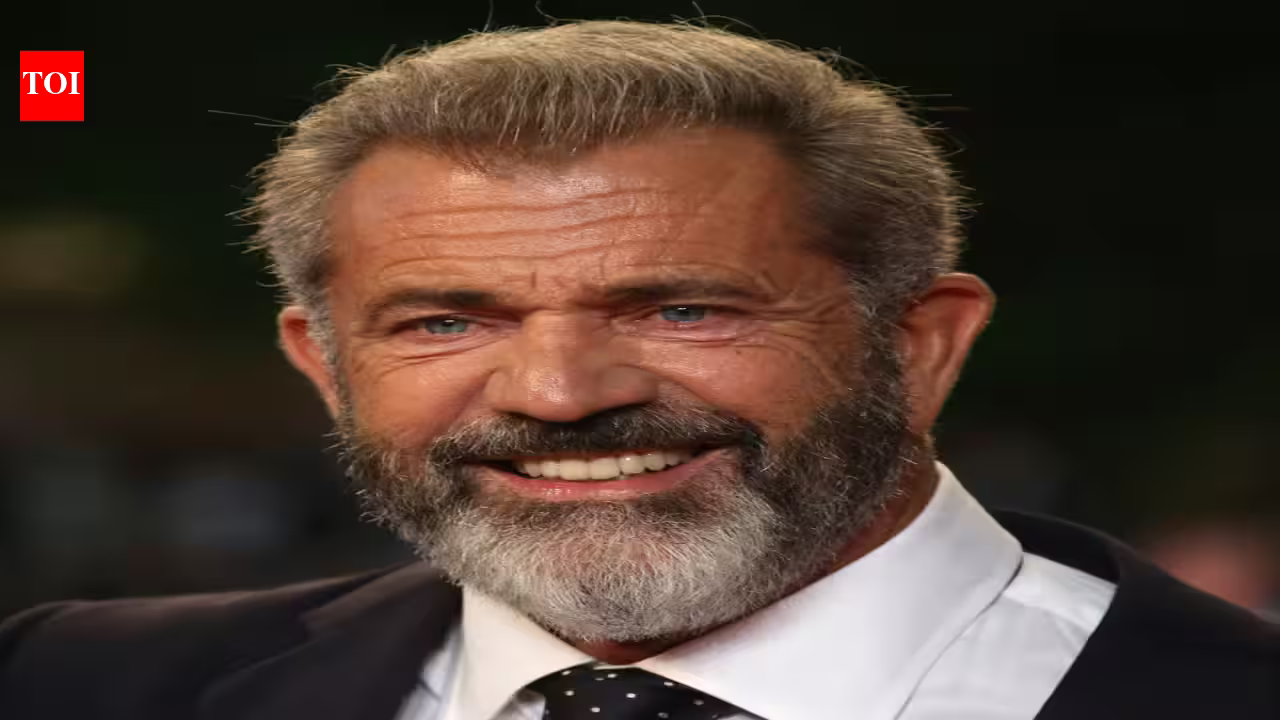
In the fast-paced, high-stakes ecosystem of Hollywood, we are conditioned to measure success by the final product. We look at the opening weekend box office numbers, the shiny gold statues on the mantle, and the seamless transition from project to project. But for Mel Gibson, a man whose life has been as erratic and intense as any character he has played on screen, the narrative isn’t about the destination. It is about the chaotic, unscripted reality of simply showing up.
Gibson, the man who defined the action hero template of the 1980s with Mad Max and Lethal Weapon, has seen his fair share of professional peaks and personal valleys. Yet, when he reflects on the nature of control, he eschews the typical “self-made man” rhetoric. His recent philosophical outlook—captured in the poignant observation, “Nothing ever goes according to plan, but the mistake is to think that the journey was not worth it”—serves as a grounding rod for anyone currently struggling with the debris of a collapsed ambition.
What does the quote by Mel Gibson really mean?
At its core, Gibson’s outlook is an exercise in radical acceptance. We spend an exhausting amount of our lives trying to curate the perfect trajectory. We draft plans, iterate goals, and obsess over contingencies, all while laboring under the illusion that we are the sole architects of our destiny. When those plans inevitably buckle under the weight of reality, our instinct is to view the preceding time as a loss.
Gibson suggests that this is a fundamental error in logic. By defining the value of a journey solely by its adherence to a preconceived outcome, we invite bitterness. He posits that even the most catastrophic failures serve a purpose. A derailed project can offer a masterclass in resilience; a rejection might force a pivot that reveals a hidden talent; a personal crisis can strip away the ego in a way that comfortable success never could. His message is clear: if you judge a forest by the tree that fell, you’ll never appreciate the woods you walked through to get there.
How is the quote by Mel Gibson still relevant today?
In an era of relentless optimization, where social media feeds are curated to look like perfectly mapped success stories, Gibson’s words feel almost rebellious. We are living in a culture that treats “detours” as “failures.” When a five-year plan hits a roadblock, the modern response is often paralysis or shame.
Gibson’s wisdom offers a necessary corrective. The “real life” he refers to isn’t found in the brochure-perfect moments of achievement; it is found in the grit of the recovery. For the creative, the entrepreneur, or even the person simply trying to navigate a turbulent life, his lesson is that the value is not in the end-point. The value is in the transformation that occurs while you are busy dealing with the fact that things did not go as planned. It is a philosophy that turns disappointment into data and trauma into experience.
The accidental star: From the classroom to the Wasteland
The irony of Gibson’s career is that his start was defined by the very “lack of control” he speaks about today. Born in Peekskill, New York, and later transplanted to Australia at twelve, his path to superstardom was anything but linear. He wasn’t a child actor groomed for the spotlight; he was a student at the National Institute of Dramatic Art (NIDA) in Sydney, testing the waters of a craft he wasn’t yet sure he owned.
His breakout moment is the stuff of Hollywood legend, and it perfectly illustrates his philosophy. When he showed up to the auditions for Mad Max in 1978, he didn’t arrive with a perfectly rehearsed monologue or a slick headshot. He arrived with a face battered from a bar brawl the night before. To the casting directors, that bruised visage wasn’t a defect; it was a physical manifestation of the character’s inner turmoil. He got the part not because he followed the script of what a “leading man” should be, but because his own uncontrolled reality collided perfectly with the opportunity at hand.
The endurance of a complicated legacy
Gibson’s rise to the A-list was meteoric, but his trajectory has been as jagged as the cliffside roads in his breakout films. From the high-octane frenzy of Martin Riggs to the historical gravitas of his directorial efforts like Braveheart, his career has been a series of immense gambles. When Braveheart swept the Oscars in 1996, it confirmed that his creative intuition far surpassed the expectations of his peers.
However, his journey has also been marked by intense public scrutiny and professional exile. Many actors in his position might have folded under the weight of such public upheaval. Yet, Gibson’s career arc continues to defy the “standard” Hollywood narrative of rise and fall. Even after being sidelined by the industry, he returned to the director’s chair for Hacksaw Ridge, securing yet another Best Director nomination.
Today, as he prepares for the next phase of his career—most notably the ambitious sequels to The Passion of the Christ—it is evident that he is still moving. He isn’t trying to reclaim a lost version of his past; he is simply continuing the journey. Whether or not his upcoming projects follow the conventional “plans” of a studio blockbuster, the lesson remains: the mistakes, the detours, and the unscripted chapters are exactly what make the journey worth it. After all, if you are busy trying to control the destination, you’re missing the ride.
Disclaimer: This content is auto-generated for informational purposes only.
Source: Read Original News