








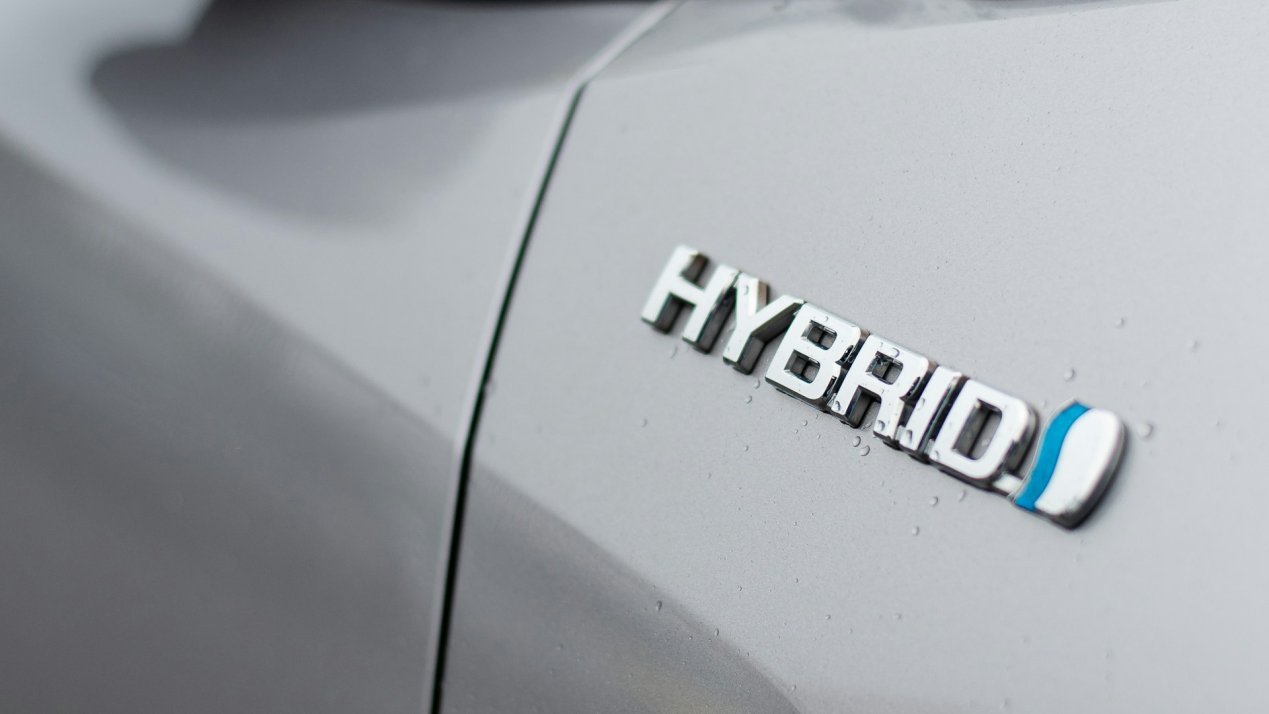
Hybrid vehicles have officially become the gold standard for consumer satisfaction in the Mexican automotive market, according to the latest data from J.D. Power. As the industry faces a rapid transition toward electrification, the 2026 Mexico Automotive Performance, Execution and Layout (APEAL) study reveals a significant shift in buyer priorities, favoring energy efficiency and advanced technology over traditional internal combustion engines.
The report, released on Oct. 29, 2026, highlights that while the overall emotional satisfaction index across the Mexican market dipped by eight points to 892, hybrid vehicles bucked the trend, climbing 10 points to reach a score of 929. This divergence signals that modern drivers are no longer willing to sacrifice comfort or performance to achieve fuel efficiency.
A New Paradigm in Consumer Sentiment
The data indicates that electrified powertrains are setting the pace for brand perception. Owners of hybrids, plug-in hybrids (PHEVs), and battery electric vehicles (BEVs) reported higher levels of happiness compared to those driving gasoline-only cars. Key areas where hybrid models excelled included safety, interior design, powertrain performance, and overall ride comfort.
In contrast, gasoline-powered vehicles saw a nine-point decline in satisfaction year-over-year. This shift is reshaping brand rankings as well. While premium brands still command a 16-point lead over mass-market vehicles—particularly in the categories of infotainment and vehicle startup—the gap is becoming more complex to manage as consumer expectations evolve. Notably, Chinese automakers are surging, posting a 22-point gain in their collective score, which stands in stark contrast to the 18-point decline seen by Japanese manufacturers. Honda and newcomer Great Wall Motor shared the top spot for mass-market brands, while Volvo led the luxury segment.
The Industrial Pivot to Electromobility
Beyond the showroom, the automotive supply chain—particularly within industrial hubs like the State of Mexico—is facing intense pressure to re-engineer production for an electric future. The shift to EVs and hybrids is not just a change in fuel; it is a fundamental transformation in manufacturing complexity.
Elisa Crespo, Executive President of the Metropolitan Automotive Cluster, noted that electric vehicles require 40% to 50% fewer mechanical components than their gas-powered counterparts. This reduction creates a high-stakes scenario for Tier 1 and Tier 2 suppliers who have long relied on the production of traditional engine parts. To remain relevant, these businesses must transition their manufacturing expertise toward software integration, electronics, artificial intelligence, and sophisticated vehicular systems.
Bridging the Gap Through Innovation
The challenge for the regional industry is to shift from basic assembly to high-value technological development. With the automotive sector contributing nearly 10% of the State of Mexico’s total value added and employing over 68,000 workers, the stakes for the regional economy are massive.
Success in this new era requires more than just capital investment; it demands a radical upgrade in workforce training. As OEMs increase their demand for software-defined vehicles, local suppliers must leverage new technology, such as AI-driven manufacturing tools and advanced design engineering, to integrate themselves into the global Tier 1 supply chains. The move toward electrification is no longer a distant roadmap—it is a present-day mandate that is effectively rewriting the rules for Mexico’s industrial landscape. For suppliers, the path forward lies in embracing the “tech-first” mentality that is already driving consumer satisfaction in the retail market, ensuring that Mexico remains a vital, cutting-edge hub in the global automotive value chain.
Disclaimer: This content is auto-generated for informational purposes only.
Source: Read Original News