



The Arrival of the Middle-earth Shadow Bundle on Nintendo Hardware
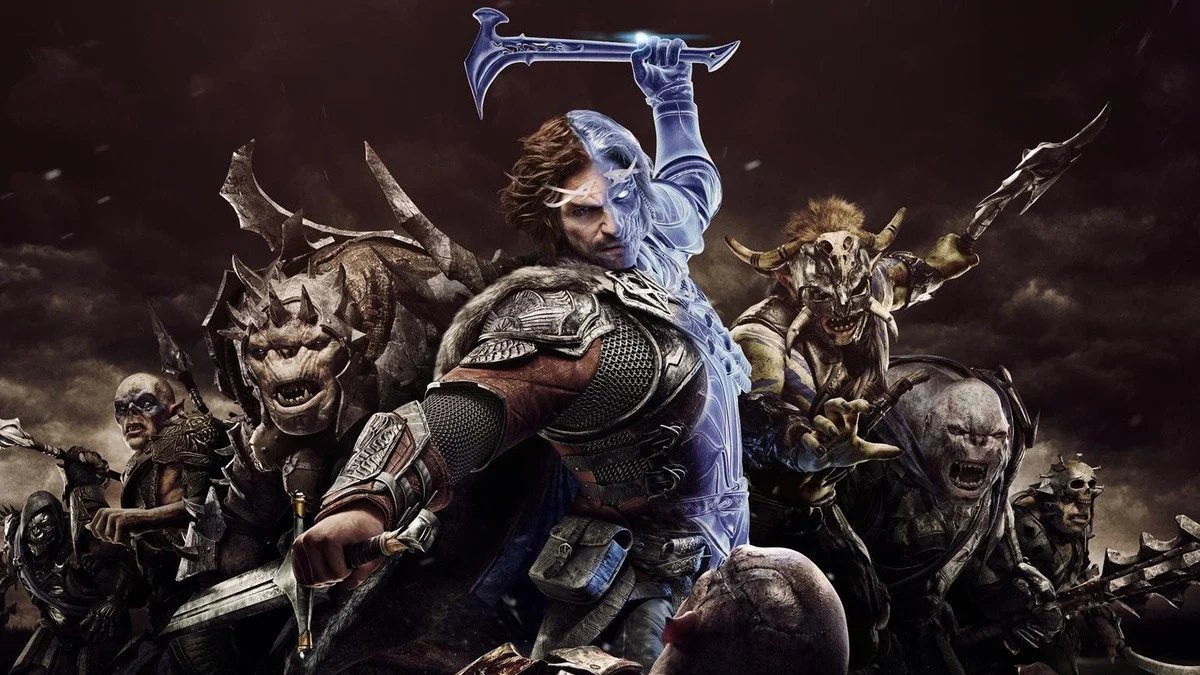
The landscape of modern gaming is often defined by the portability and reach of current-generation hardware. Aspyr, a publisher renowned for its proficiency in porting complex titles to diverse platforms, has announced the arrival of the Middle-earth Shadow Bundle. This collection brings both Middle-earth: Shadow of Mordor Game of the Year Edition and Middle-earth: Shadow of War Definitive Edition to the Nintendo Switch 2. Launching on September 30th, this release marks the first time these two foundational titles in the action-adventure genre have been brought to Nintendo’s ecosystem.
For prospective players, the bundle allows for the acquisition of the complete narrative experience as a single package, though the publisher has confirmed that both titles will be available for individual purchase. This approach provides flexibility for those who may have already experienced one entry but seek to explore the expansion of the lore and mechanics in the second.
Technical Challenges of Bringing Mordor to Portable Systems
Transitioning titles that were originally designed for more robust hardware architectures, such as the PlayStation 4 and Xbox One, requires significant optimization. The Middle-earth titles are particularly demanding due to the complexity of the Nemesis system and the density of their open-world environments. Aspyr has focused on streamlining these assets to ensure that the transition to the Switch 2 maintains functional parity with the core experience found on home consoles.
While some players have expressed frustration regarding the absence of native releases for other current-generation platforms like the PlayStation 5, the technical feat of squeezing these titles into a handheld-friendly format is noteworthy. The optimization process involves recalibrating physics engines and shadow rendering to match the hardware profile of the Switch 2, ensuring that the sprawling armies and dynamic encounters of the Uruk-hai remain fluid even during high-intensity combat scenarios.
The Lasting Legacy of the Nemesis System
Central to the appeal of both Shadow of Mordor and Shadow of War is the Nemesis system. This technological framework is arguably the most significant contribution these games have made to the design of action-oriented open-world titles. The system dynamically generates enemies with distinct attributes, names, and social standing within the Orc hierarchy. If a player is defeated by a standard soldier, that individual is promoted, gains new tactical abilities, and remembers the previous encounter, creating a personalized antagonist that evolves based on the player’s history.
This systemic depth provides a level of replayability that remains rare in the industry. Because each player’s experience is fundamentally shaped by their own failures and victories against these procedural bosses, the narrative becomes uniquely individual. The inclusion of this system on a platform like the Switch 2 offers a new demographic the opportunity to interact with this advanced emergent storytelling, highlighting how robust software design can remain compelling long after its initial launch.
Performance Disparities and Industry Demand
The release of these titles has reignited a conversation about the current state of software optimization on high-end hardware. Both Shadow of Mordor and Shadow of War are currently locked to a 30 frames-per-second performance cap on PlayStation 5 via backwards compatibility. For many enthusiasts, the lack of a native patch or remaster to unlock higher refresh rates on hardware with significant processing overhead is a point of contention.
When a publisher announces a new port for a lower-spec mobile device, it often draws sharp contrast to the lack of updates for more powerful, stationary consoles. The disparity between the hardware capability of the PlayStation 5 and the software performance of these titles suggests that there is substantial market interest in modernized, high-fidelity versions of these games. While the Switch 2 port caters to the requirement for portable gaming, the demand for improved resolution and frame rate stability remains a recurring theme in the broader gaming community.
Future Implications for Back-Catalogs
The decision by Aspyr to port these games points to a broader trend in the industry: the strategic expansion of back-catalog titles to new platforms rather than merely relying on backwards compatibility. By bringing the Middle-earth series to the Switch 2, the publisher is leveraging the popularity of The Lord of the Rings franchise to test the appetite for large-scale action titles on Nintendo hardware.
This strategy serves two purposes. First, it introduces older, high-quality software to a massive user base that may not have played the original versions. Second, it generates data on the commercial viability of further investments into these franchises. If the Middle-earth Shadow Bundle achieves significant sales, it may incentivize further development, potentially including long-awaited performance upgrades for more powerful consoles. As the industry continues to move toward a model where cross-platform availability is expected, the technical work performed by companies like Aspyr remains a critical bridge between legacy content and modern consumer expectations. For now, players on the Switch 2 can prepare to engage with the deep, procedurally generated hierarchy of Sauron’s forces, while the rest of the industry watches to see if these titles will eventually receive the modernization that so many fans have requested.
Disclaimer: This content is auto-generated for informational purposes only.
Source: Read Original News