








Navigating the New Regulatory Horizon
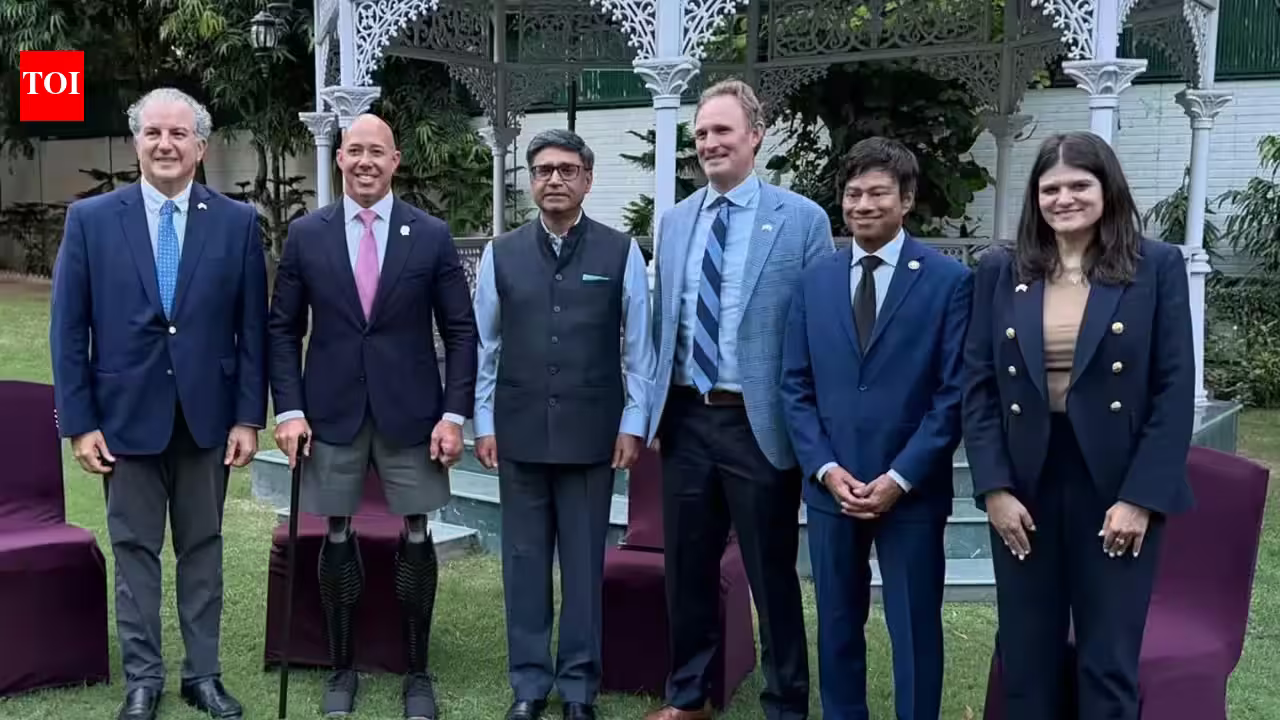
The recent engagements between Foreign Secretary Vikram Misri and a bipartisan United States Congressional delegation, led by House Foreign Affairs Committee Chairman Brian Mast, mark a pivotal moment in the evolution of India-US relations. These high-level discussions, held against the backdrop of an evolving global geopolitical landscape, have brought the Sanctioning Russia and Iran Act (SRIA) to the forefront of the bilateral agenda. As India continues to balance its strategic autonomy with its burgeoning economic partnership with Washington, the nuances of this legislation present both a regulatory challenge and a diplomatic opportunity.
The SRIA provides a statutory framework for expanded sanctions, targeting the petroleum and military sectors of Russia while extending economic restrictions related to Iran. For New Delhi, the primary concern lies in the potential for trade-related punitive measures. The legislation grants the US executive branch the authority to impose tariffs of up to 100 percent on imports from countries that persist in purchasing Russian energy under specific conditions. While these measures are not automatically applied to Indian goods, their existence creates a structural uncertainty that necessitates active management and transparent communication between the two nations.
Strategic Autonomy and Energy Security
Energy security serves as a cornerstone of India’s economic growth, and the country’s decision-making regarding its energy imports is dictated by domestic requirements, price stability, and diversification of supply chains. The discussions held by Foreign Secretary Misri emphasize that India remains committed to safeguarding its national interest while fostering a constructive dialogue with the United States regarding the complexities of the global energy market.
The US delegation’s presence underscores a bipartisan recognition of the strategic necessity of the India-US partnership. However, the SRIA represents a shift in how Washington intends to leverage trade policy to influence the behavior of trading partners in the context of the Russia-Ukraine conflict. From an Indian business perspective, the focus is shifting toward supply chain resilience. As the US moves to tighten sanctions enforcement, Indian firms operating in sectors sensitive to global financial flows must navigate an increasingly complex compliance environment. The ongoing dialogue ensures that both parties remain aligned on the broader trajectory of their relationship, even as they work through the friction points introduced by new domestic laws in the United States.
Advancing Critical Technology and Semiconductors
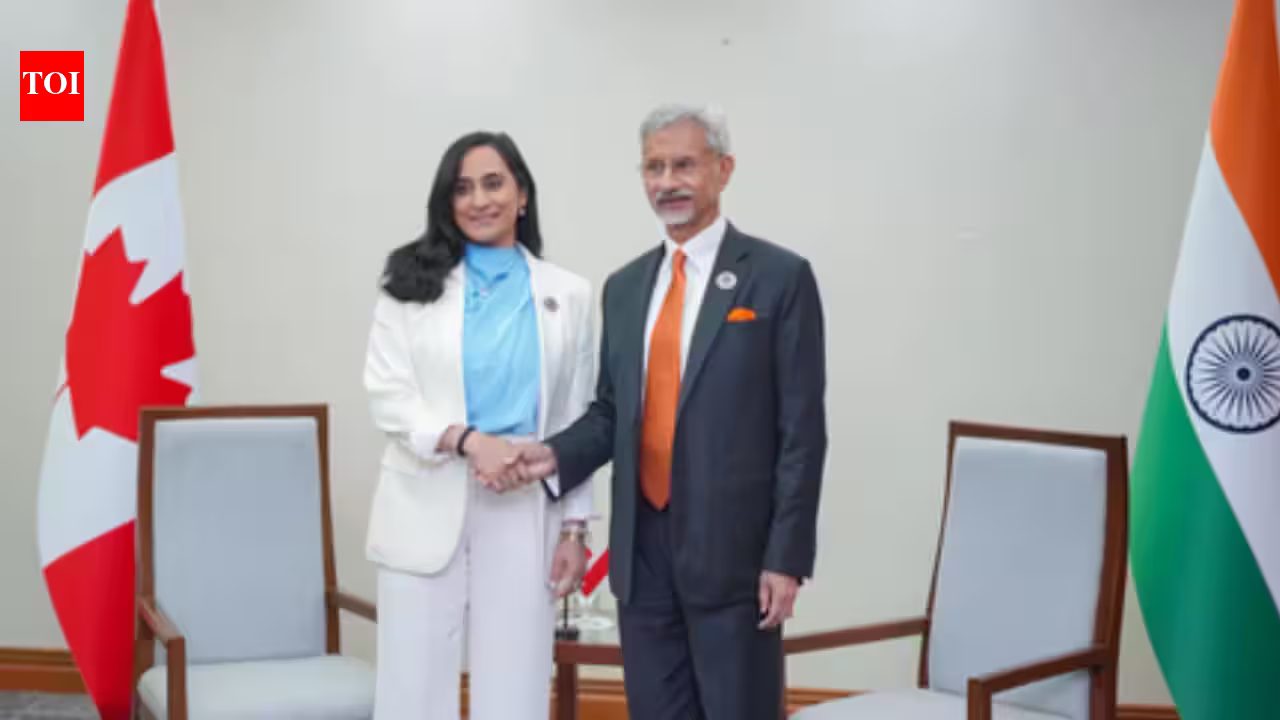
Beyond the immediate concerns of sanctions and energy, the diplomatic engagements have signaled a deepening of cooperation in critical and emerging technologies. Foreign Secretary Misri’s meetings in New York with Under Secretary of State for Economic Affairs Jacob Helberg highlighted a shared commitment to building secure and innovative supply chains. Central to this is the Pax Silica initiative, a US State Department flagship effort designed to fortify cooperation in artificial intelligence (AI) and the essential infrastructure supporting modern tech manufacturing.
The synergy between India’s domestic manufacturing ambitions, particularly in semiconductors and critical minerals, and the United States’ desire to secure its technology ecosystem is tangible. India is positioning itself as a vital node in the global high-tech supply chain, reducing reliance on legacy manufacturing hubs. By integrating initiatives like Pax Silica into the bilateral framework, India and the US are moving toward a model of “co-development” rather than simple trade. This focus on long-term structural integration serves to insulate the broader economic relationship from temporary geopolitical shocks, such as those related to energy sanctions.
The Trajectory of India-US Trade Negotiations
The backdrop to these strategic discussions is the ongoing negotiation for a formal Bilateral Trade Agreement (BTA). For years, the two nations have sought to resolve persistent trade irritants, such as market access barriers, tariff structures, and intellectual property rights. The current geopolitical atmosphere, defined by a shift toward “friend-shoring” and the restructuring of global supply chains, provides a powerful incentive for both nations to find common ground.
The discussions regarding the SRIA legislation are not merely about compliance; they are a stress test for the depth of the bilateral institutional mechanisms. If India and the US can successfully navigate the potential impacts of the SRIA through diplomatic coordination, it will demonstrate that their partnership is resilient enough to handle regulatory turbulence. For Indian exporters, particularly in high-value sectors, clarity on US regulatory intentions is as vital as the trade agreements themselves. A BTA that incorporates clear protocols for handling secondary sanctions or energy-related trade conflicts would provide the predictability required for large-scale, long-term capital investment.
Strategic Cooperation in a Multi-Polar World
The role of the United States in the Indian Ocean region and the broader Indo-Pacific, often discussed under the umbrella of “freedom of navigation” and “strategic ventures,” reflects the maturation of the India-US partnership from a transactional arrangement to a strategic alliance. The talks in New York, which included discussions on the Indian Ocean Strategic Venture initiative and civil nuclear cooperation, confirm that the relationship is expansive.
For Indian business leaders, these developments suggest that the India-US corridor will remain one of the most significant channels for technology transfer and investment in the coming decade. Despite the nuances of the SRIA, the underlying logic of the relationship is moving toward a tighter alignment on national security and economic resilience. The US recognizes that India’s economic scale and democratic framework make it an essential partner in a world where global supply chains are being reorganized around common security values.
As the situation develops, the ability of both the MEA and the US State Department to maintain open channels will be critical. The primary takeaway from the current diplomatic phase is that the India-US relationship is no longer just about trade volumes; it is about shared influence in the global regulatory architecture. By participating in initiatives like Pax Silica and maintaining high-level engagement on sensitive legislation, India is actively shaping the terms of its international economic integration. The road ahead requires a careful balance between leveraging global market opportunities and adhering to an increasingly intricate international sanctions regime, a challenge that India appears prepared to manage through proactive and nuanced diplomacy.
Disclaimer: This content is auto-generated for informational purposes only.
Source: Read Original News