









Macroeconomic Determinants and the Shifting Gold Landscape
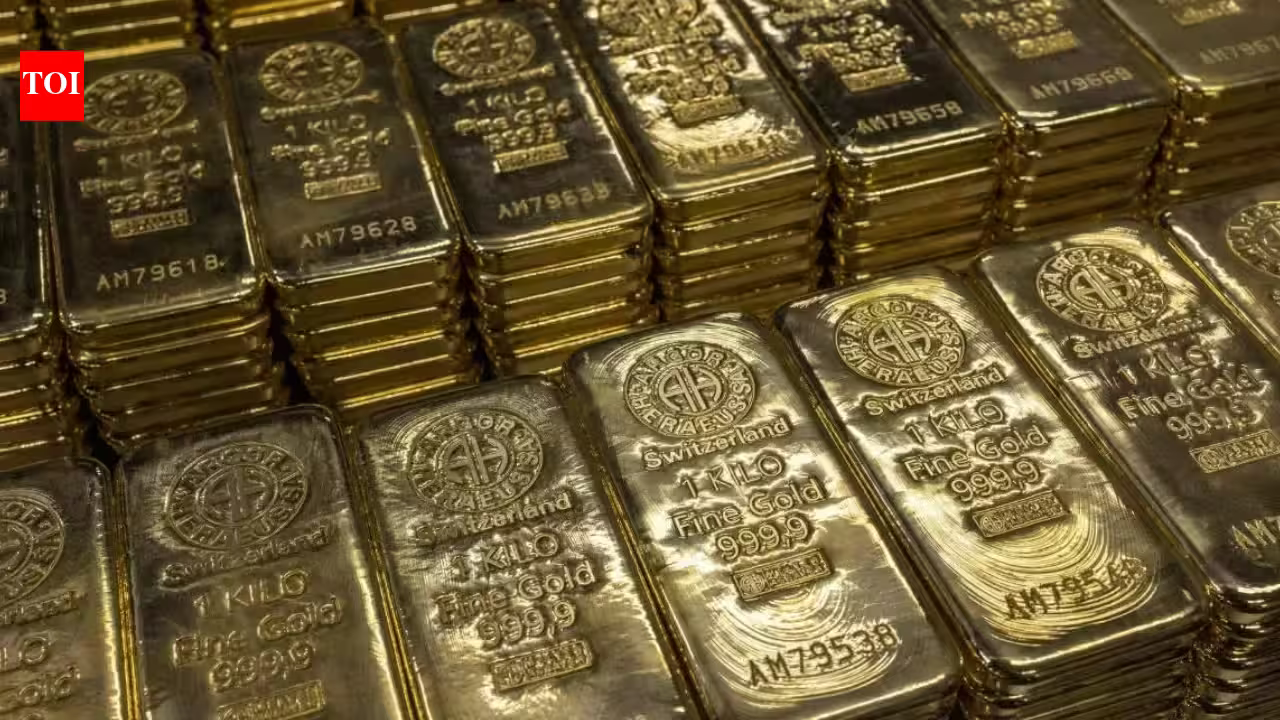
The precious metals market is currently navigating a period of heightened sensitivity, defined by the interplay between aggressive monetary policy expectations and persistent geopolitical friction. For gold and silver, the recent decline in both domestic and international benchmarks serves as a reminder of how quickly sentiment can shift when market participants prioritize interest rate trajectories over traditional safe-haven narratives. As traders prepare for a week defined by critical macroeconomic disclosures, the prevailing trend remains cautious, with profit-taking exerting significant downward pressure on prices that had previously scaled record highs.
At the core of this volatility is the Federal Reserve’s impending policy decision for October. The market is increasingly discounting the possibility of further monetary tightening, a prospect that directly undermines the appeal of non-yielding assets like gold. When interest rates rise, the opportunity cost of holding bullion increases, prompting institutional investors to reduce their exposure in favor of debt instruments that provide competitive yields. Consequently, the correlation between gold prices and US Treasury yields—particularly the 10-year and 30-year notes—has become the primary driver of market direction. As long as yields remain elevated near historical multi-decade peaks, gold and silver are likely to face significant resistance in reclaiming their previous momentum.
The Critical Role of US Employment and Inflation Data
The upcoming week is characterized by a dense schedule of economic indicators that will serve as the litmus test for the Federal Reserve’s hawkish stance. Foremost among these are the US non-farm payrolls and unemployment statistics. In the current economic climate, the market is conditioned to interpret robust employment data as a catalyst for continued rate hikes. A stronger-than-expected jobs report typically bolsters the US dollar index, which exerts direct inverse pressure on gold prices. Because gold is priced in dollars, a strengthening currency makes the metal more expensive for holders of other currencies, thereby stifling global demand.
Beyond the labor market, investors are closely monitoring the Personal Consumption Expenditures (PCE) inflation readings and GDP growth figures. These metrics are fundamental to determining whether the US economy is cooling sufficiently to warrant a pause in rate hikes or if inflationary pressures necessitate further intervention. For Indian investors, who closely track international commodity movements due to India’s status as one of the world’s largest consumers of gold, these US-centric data points are no longer distant variables. They are immediate determinants of daily price fluctuations on the Multi Commodity Exchange (MCX). A softer employment report would likely offer a relief rally for gold, as it would signal a softening in the Fed’s resolve, potentially leading to a weaker dollar and a subsequent floor under bullion prices.
Indian Market Dynamics and Commodity Exposure
The domestic Indian market has experienced significant volatility in tandem with global indices. The recent decline in gold futures on the MCX highlights a structural adjustment as traders liquidate positions after a prolonged period of appreciation. As prices corrected, institutional and retail participation showed signs of hesitation, leading to a consolidation phase. This corrective behavior is symptomatic of a market that has reached a point of saturation; investors are waiting for a clear signal from global monetary authorities before committing to fresh, long-term positions.
For the Indian bullion trade, the convergence of high prices and reduced industrial demand has created a complex environment. Silver, which maintains a dual identity as both a precious metal and an industrial commodity, has been hit particularly hard by the correction in global metal markets. As global manufacturing PMIs indicate potential weakness in industrial activity, silver’s premium over gold often erodes, leading to sharper declines. Furthermore, domestic traders must contend with the added layer of currency risk; the rupee’s movement against the dollar dictates the landed cost of gold imports. Any significant depreciation of the rupee effectively hedges the decline in international spot prices, keeping domestic gold prices elevated even when global demand wanes.
Geopolitical Risks and the Energy-Metal Correlation
While monetary policy currently occupies the driver’s seat, geopolitical instability in the Middle East and the ongoing conflict in Ukraine continue to provide an underlying floor for precious metals. The recent rhetoric surrounding the Strait of Hormuz and the persistence of regional tensions serves as a constant reminder that systemic risk is not absent from the financial system. Historically, gold functions as a hedge against such geopolitical instability, yet the current environment has seen this function temporarily eclipsed by the sheer gravity of US monetary policy.
The energy sector adds another dimension to this equation. Crude oil prices, which remain susceptible to supply chain disruptions in energy-producing regions, have been influenced by increased output from Saudi Arabia and Iraq, which has tempered the market’s response to geopolitical risks. A decline in crude prices often dampens inflationary expectations, which indirectly benefits gold by reducing the urgency for interest rate hikes. However, the energy-metal relationship is fragile. Should the situation in the Middle East escalate beyond current parameters, the resulting supply shocks would likely trigger a flight to safety, reigniting gold’s traditional role as a strategic asset, regardless of the Federal Reserve’s policy stance.
Strategic Outlook for Investors and Traders
As market participants move toward the conclusion of the current trading week, the focus remains on the interplay between technical consolidation and macroeconomic verification. From a technical perspective, the breach of key support levels in the COMEX markets has forced many traders to adopt a defensive posture. The inability of gold to hold previous gains suggests that the market is in a phase of revaluation. For those operating within the Indian market, the upcoming holiday-shortened week, combined with the observance of Mahatma Gandhi Jayanti, necessitates a cautious approach to position management.
The strategic imperative for the near term is to monitor the dollar index as it interacts with the 101-point threshold. A sustained breakout above this level would likely signal a prolonged period of consolidation or further downside for bullion. Conversely, a failure to hold this level, backed by weaker-than-anticipated labor statistics, could provide the necessary catalyst for a recovery. Ultimately, the market is currently in a state of transition. Investors should prioritize liquidity and risk management over aggressive speculation, recognizing that while the long-term fundamentals for gold remain anchored by global uncertainty, the short-term trajectory is tethered to the evolving data landscape in Washington and the ongoing rebalancing of global portfolios.
Disclaimer: This content is auto-generated for informational purposes only.
Source: Read Original News