






MNS and Kannada Rakshana Vedike Forge National Alliance Against ‘Hindi Imposition’
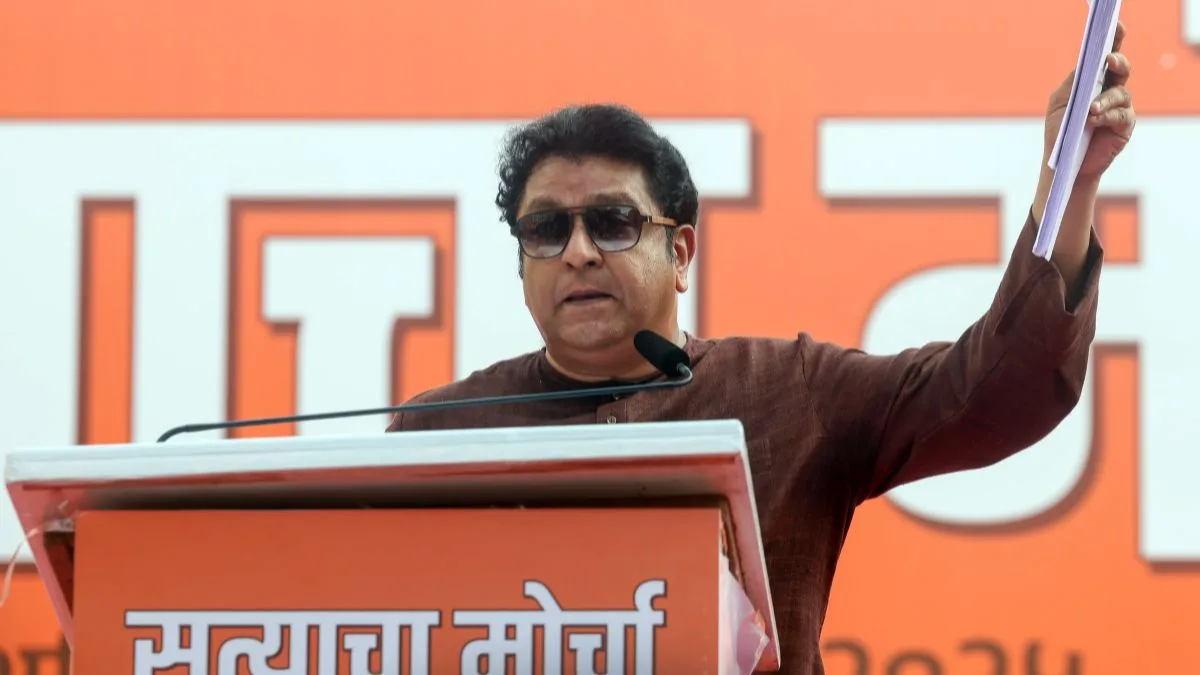
MUMBAI/BENGALURU – In a significant move that could reshape the discourse on linguistic federalism in India, the Raj Thackeray-led Maharashtra Navnirman Sena (MNS) has announced a formal partnership with the Karnataka-based Kannada Rakshana Vedike (KRV). The two organizations have joined forces to spearhead a nationwide movement against what they describe as the systemic imposition of the Hindi language on non-Hindi-speaking states.
A Unified Front for Regional Identity
The alliance was solidified following a strategic meeting in Bengaluru between MNS leaders Sandeep Deshpande and General Secretary Yogesh Parulekar, and KRV state president T.A. Narayana Gowda.
According to MNS spokesperson, the partnership aims to launch an ‘Indian Languages Protection Forum’ in New Delhi later this year, likely between October and November. The coalition intends to draft a 10-point ‘Common Minimum Programme’ to unify various linguistic advocacy groups and regional parties from states including Tamil Nadu, Andhra Pradesh, Kerala, Telangana, Puducherry, Goa, West Bengal, and Punjab.
Sandeep Deshpande, the MNS Mumbai City president, noted that the move has the full backing of party founder Raj Thackeray. “Due to the increasing harassment and interference by the central government, as well as the forced imposition of Hindi, we felt that a common platform is necessary to fight back,” Deshpande stated.
Beyond Language: Economic and Demographic Concerns
The scope of this new coalition extends beyond cultural preservation to address growing economic grievances. The MNS leadership highlighted disparities in the central government’s tax revenue sharing, alleging that states like Bihar and Uttar Pradesh receive disproportionate funding at the expense of contributors like Maharashtra and Karnataka.
The organizations also expressed concern regarding changing population demographics, claiming that the influx of migrants from Hindi-speaking regions is undermining regional cultural identities and economic stability. “We plan to take regional parties and linguistic organisations along and spread this movement throughout the country,” Deshpande added.
The KRV Factor
The Kannada Rakshana Vedike, founded in 1999 by T.A. Narayana Gowda, is a powerful force in Karnataka known for its militant advocacy for the Kannada language. With the motto, “Kannada is our caste, Kannada is our religion, and Kannada is our god,” the organization has a history of high-profile activism, including the ‘Namma Metro Hindi Beda’ (We do not want Hindi in our Metro) campaign.
The KRV has long been at the forefront of enforcing local language compliance, frequently protesting the use of non-Kannada signboards in shops and businesses across the state. By aligning with the MNS—a party that has similarly championed the “Sons of the Soil” movement in Maharashtra—the KRV is seeking to transition from a regional pressure group into a key player in a wider national movement against Hindi imposition.
Looking Ahead
The proposed conference in New Delhi is expected to serve as the launchpad for this broader coalition. By bringing together diverse regional voices, the MNS and KRV hope to challenge the central government’s centralization efforts and assert the rights of non-Hindi-speaking states to prioritize their own languages, cultures, and economic interests.
As the 10-point ‘Common Minimum Programme’ is finalized, political observers will be watching closely to see if this alliance can bridge the gap between various regional identities to create a cohesive national challenge to the current federal administrative narrative.