







Breakthrough: IISc Researchers Develop Next-Generation Antivenom to Combat India’s Snakebite Crisis
India, which accounts for the highest number of snakebite-related fatalities globally—nearly 50,000 deaths annually—is on the brink of a medical revolution. Researchers from the Indian Institute of Science (IISc) and the Technical University of Denmark (DTU) have successfully developed a groundbreaking, nanobody-based recombinant antivenom. This innovation promises to provide broad-spectrum protection against the lethal toxins of various cobra species found across the Indian subcontinent.
The study, recently published in the journal Science Translational Medicine, marks a departure from century-old medical practices that have long struggled to keep pace with the complex nature of snake venoms.
The Limitations of Traditional Antivenoms
For over a hundred years, the production of antivenom has remained largely unchanged, relying on the immunization of animals, such as horses, with snake venom. This process is not only ethically contentious but also inherently flawed. Animal-derived antivenoms frequently suffer from batch-to-batch inconsistency, severe side effects, and limited efficacy across different geographic species.
Furthermore, because every snake species possesses a unique “cocktail” of toxins that target nerves, blood, or tissue, a single antivenom is rarely effective against a broad range of snakes. This current methodology is costly, results in low yields of active antibodies, and relies on outdated technologies that are becoming increasingly unsustainable.
Engineering a Modern Solution
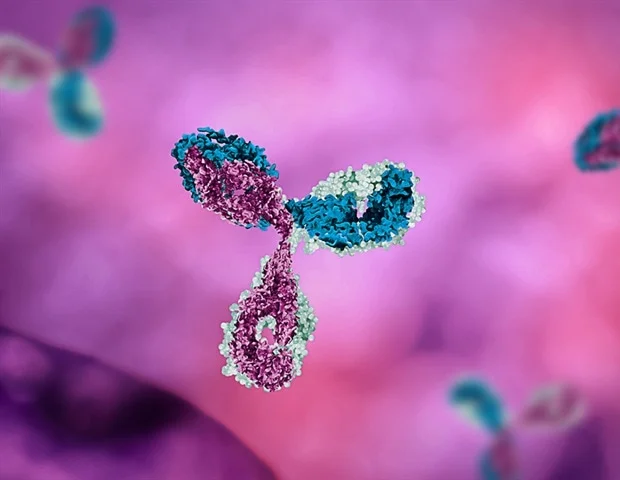
To overcome these hurdles, Associate Professor Kartik Sunagar of the Centre for Ecological Sciences (CES) at IISc teamed up with Professor Andreas Laustsen from the Technical University of Denmark. By utilizing camelid-derived antibodies—specifically those from animals like alpacas—the team engineered small, stable protein fragments known as “nanobodies.”
These recombinant antibodies can be produced in laboratories using microbial systems, effectively eliminating the need for animal involvement in the manufacturing phase. Because these antibodies are synthetic, they can be precisely tailored. “This is the only next-generation antivenom we have now, which could tackle India’s snakebite problem,” says Professor Sunagar.
High Success in Preclinical Trials
The research team identified a cocktail of five distinct nanobodies capable of binding to and neutralizing the specific toxins found in the spectacled cobra, the monocled cobra, and both species of Indian king cobras.
In controlled preclinical trials involving mice, the results were remarkable. The nanobody cocktail not only neutralized the venom but also saved the test subjects when administered even 30 minutes post-exposure. Crucially, the treatment reversed severe neurotoxic symptoms, returning previously paralyzed mice to an asymptomatic state.
A Blueprint for Future Healthcare
A significant advantage of this new technology is the required dosage. Traditional monoclonal antibodies often require large, costly quantities to neutralize venom, raising safety concerns for human patients. The IISc-DTU team demonstrated that their highly engineered nanobodies are effective in much smaller amounts, which could drastically reduce production costs and improve safety profiles.
The researchers believe this development serves as a vital blueprint for future medical interventions. By targeting specific toxin families that drive disease in local snake populations, scientists can create regionalized “designer” antivenoms. This interdisciplinary effort highlights how global collaboration in toxinology and protein science can address one of the most neglected tropical health crises of our time, potentially saving thousands of lives every year.
Disclaimer: This content is auto-generated for informational purposes only.
Source: Read Original News