







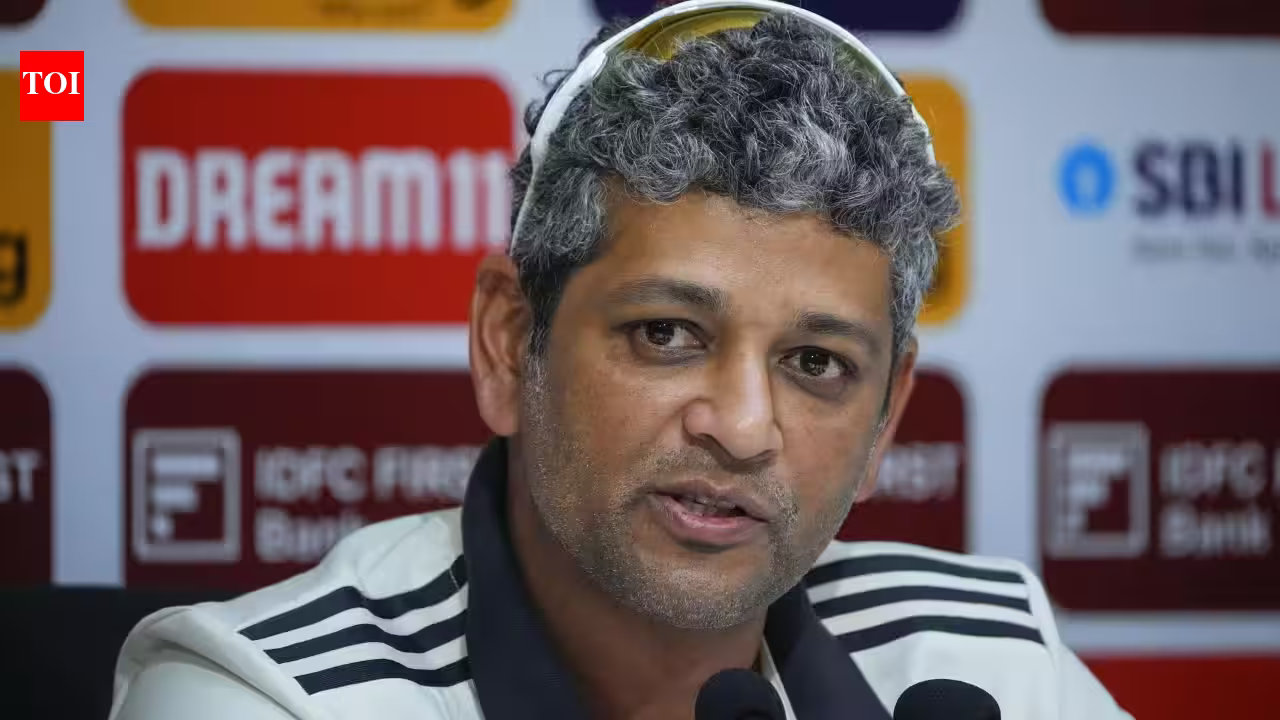
CRITICAL shifts are on the horizon for the Indian women’s cricket team. While the squad has cemented its status as a dominant force in Test and ODI formats, Head Coach Amol Muzumdar is turning his focus toward a necessary evolution: the creation of a specialist T20I squad designed to conquer the shortest format of the game.
Under the leadership of former captain Harmanpreet Kaur, the team has enjoyed a historic run in the longer formats, winning four of their last five Tests—a remarkable statistic in a landscape where few nations play the traditional game. Furthermore, the team remains the toast of the cricketing world as the reigning ODI World Cup champions, having secured their maiden title nearly one year ago in a fairy-tale run at the DY Patil Stadium.
However, the contrast in their T20I performance is stark. With early exits in both the 2024 and 2026 T20 World Cups, the message from the coaching staff is clear: the current approach requires a drastic, permanent update.
A Specialist Vision for T20 Dominance
When asked how soon fans could expect a dedicated T20I roster—a structure similar to the strategy employed by the Indian men’s team—Muzumdar was emphatic. “Not long,” he stated firmly during an event organized by the Sports Journalists’ Association of Mumbai (SJAM) at the MIG Club.
Muzumdar believes the transition is already underway, spurred by the pipeline of talent emerging from the Centre of Excellence (CoE). “We’re already on that path. There’s some amazing talent coming through. The work at the CoE, from the Under-15 to U-19 camps, is superb. It is a true reflection of the healthy state of Indian women’s cricket,” he added.
The coach noted that the next generation of players is fundamentally different from their predecessors. These young athletes have grown up in the era of high-octane T20 cricket, arriving in the national setup with a professional mindset already embedded in their training. “Even the U-15 players are professionals. They understand the importance of nutrition, fitness, and fielding. They are good athletes who understand that athleticism is key. When this younger generation takes over, India will be in a very good state.”
The Philosophy of Modern Leadership
Muzumdar’s coaching tenure has been defined by his ability to read more than just stats; he watches for body language. For the former domestic stalwart, a player’s receptiveness is just as vital as their technical skill.
“I see whether he or she is receptive. You need to learn to understand the body language of the player,” Muzumdar explained. “As a coach, you need to understand when to say, how to say, and what to say. It’s about timing and respecting the space the athlete needs. You can have 10,000 things to tell them, but you must know if they are in the correct mind frame to absorb it.”
This nuanced approach to management is rooted in his experiences as a player during the golden era of Mumbai cricket in the 1990s. Muzumdar credits the “buzz” and unity of those dressing rooms for his success, and he has worked tirelessly to replicate that environment with the national women’s team. He points to the chemistry within the squad during last year’s successful ODI World Cup campaign as the primary reason for their historic victory.
A New Era Under Smriti Mandhana
As the team prepares for its next chapter, Muzumdar expressed deep appreciation for his time working under Harmanpreet Kaur. He lauded her leadership and the way she conducted herself over his three-year tenure, noting that he considers himself “lucky” to have learned the mindset of a captain from her.
Looking ahead, the focus shifts to the stewardship of new skipper Smriti Mandhana. Muzumdar is eager to continue implementing a culture of “dominance and ruthlessness”—a philosophy he admits stems from his deep-rooted upbringing in the Mumbai cricket system.
“Dominance is something we have always spoken about within the squad. Being ruthless on the ground is another thing we maintain,” he said. “If we start dominating world cricket across all formats, I would be happy.”
As India looks to correct its T20 trajectory, the infusion of a younger, fitness-focused, and tactically sharp cohort of players appears to be the final piece of the puzzle. If Muzumdar’s vision for a specialized T20 unit takes hold, the rest of the cricketing world may soon have a much tougher time competing against an increasingly professional and aggressive Indian side.
Disclaimer: This content is auto-generated for informational purposes only.
Source: Read Original News