








A Mounting Humanitarian Crisis in the Himalayas
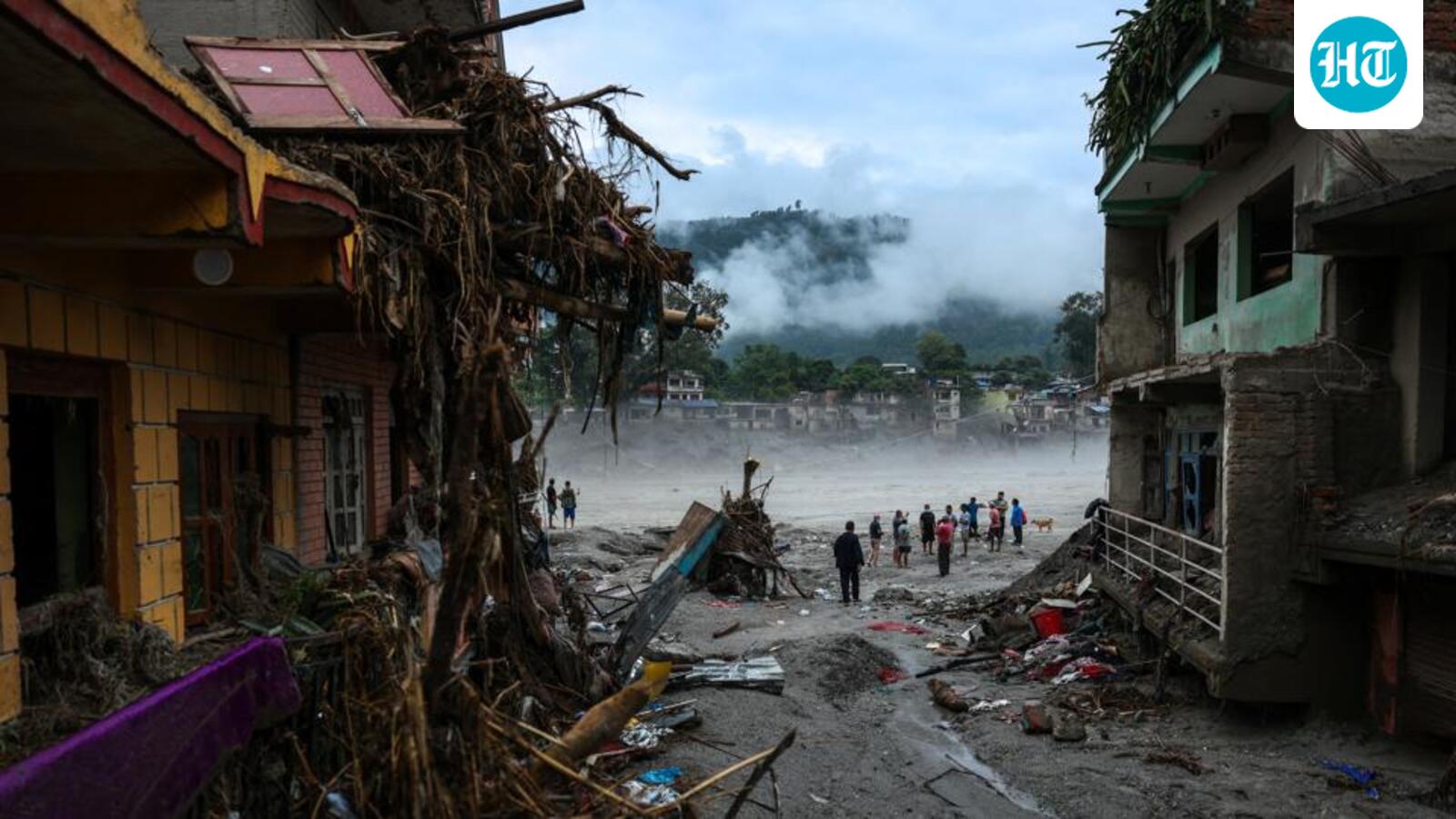
The aftermath of the devastating flash floods that struck the Nepal-China border region on August 26 has unfolded into one of the most complex search and rescue operations in the history of the Himalayan nation. With a confirmed death toll exceeding 1,280 across the affected region, authorities are now grappling with the grim reality of thousands still missing. Among those caught in the catastrophe are hundreds of Indian nationals, many of whom were tourists, pilgrims, or workers navigating the mountainous terrain when the disaster struck.
The crisis was triggered by the partial collapse of a glacier near the Langtang Lirung mountain peak. The resulting deluge of ice, water, mud, and debris cascaded through the valleys, obliterating infrastructure, including roads, bridges, and entire settlements along the Trishuli River. As the situation remains fluid, the Ministry of External Affairs (MEA) in New Delhi has been working in constant coordination with Kathmandu to track the whereabouts of Indian citizens caught in the calamity.
Search and Rescue Operations Intensify
According to the latest reports provided by MEA spokesperson Randhir Jaiswal, the number of missing Indian nationals stands at 275. While 169 Indians have been successfully rescued, the search continues under extremely challenging conditions. The terrain, characterized by high-altitude riverbanks and unstable slopes, has hindered the mobility of rescue teams.
A positive development reported on Friday indicated that three additional Indian citizens were recovered from the Trishuli Bazar area, a site identified as particularly hard-hit by the debris flows. Beyond the immediate search for survivors, there are growing concerns for hundreds of workers reportedly trapped within the tunnels and subterranean infrastructure of various hydropower projects currently under development in the region. The structural integrity of these facilities has been severely compromised by the force of the flash floods, complicating efforts to reach those inside.
India’s Role in Multi-Agency Relief Efforts
In a demonstration of regional cooperation and close bilateral ties, India has mobilized a significant relief contingent to assist the Nepali government. A total of 54 specialized personnel have been deployed, bringing essential expertise to the ground. This team includes 30 experts specifically trained for tunnel rescue, 19 forensic specialists, and a medical unit tasked with addressing the urgent health needs of survivors.
The scale of India’s logistical support has been substantial. Over 95 tonnes of critical relief materials, including food, medical supplies, and emergency gear, have been transported via seven aircraft. Looking ahead, New Delhi has pledged further assistance, including the provision of Bailey bridges to replace those swept away by the river, and additional forensic kits to aid in the identification process of victims in the aftermath of such a large-scale tragedy.
Addressing the Climate Change Discourse
The catastrophic collapse of the glacier has refocused attention on the vulnerability of Himalayan ecosystems to global climate change. In the wake of the disaster, representatives from the Nepalese government have advocated for compensation from major global greenhouse gas emitters, highlighting that developing nations are disproportionately suffering the consequences of a crisis they did not create.
The Indian government has echoed this sentiment, emphasizing that climate change is a collective challenge that requires nuanced global responsibility. During a media briefing, the MEA highlighted the principle of “common but differentiated responsibilities,” urging developed nations that have historically been the largest carbon emitters to take the lead in both emission reductions and the transfer of finance and technology to assist developing countries in building resilient infrastructure. Foreign Minister Shisir Khanal of Nepal clarified that these calls for climate justice were directed at the global community rather than specific neighboring nations, framing the disaster as a clarion call for urgent international action.
Regional Safety and Border Crossings
One of the logistical successes in this disaster management operation has been the safe passage of Indian travellers through the Tibet Autonomous Region. Following the August 26 disaster, thousands of Indian citizens who were present in China found themselves isolated due to destroyed transit routes.
Through diplomatic channels between New Delhi, Beijing, and Kathmandu, a corridor was facilitated, allowing 1,907 Indian nationals to cross safely into Nepal. Authorities have confirmed that there are no remaining Indian travellers stranded in the Tibet region, a milestone that provides some relief to families back in India who have spent the past week anxiously awaiting updates.
As the focus shifts from emergency rescue to long-term recovery, the focus remains on the missing. With over 5,600 people still unaccounted for on both sides of the border—including foreign nationals from various countries—the search operations are expected to continue for weeks. The cooperation between India and Nepal remains the cornerstone of the recovery process, as both nations look toward stabilizing the affected regions and addressing the long-term impacts of the glacial disaster on their shared Himalayan frontier.
Disclaimer: This content is auto-generated for informational purposes only.
Source: Read Original News