









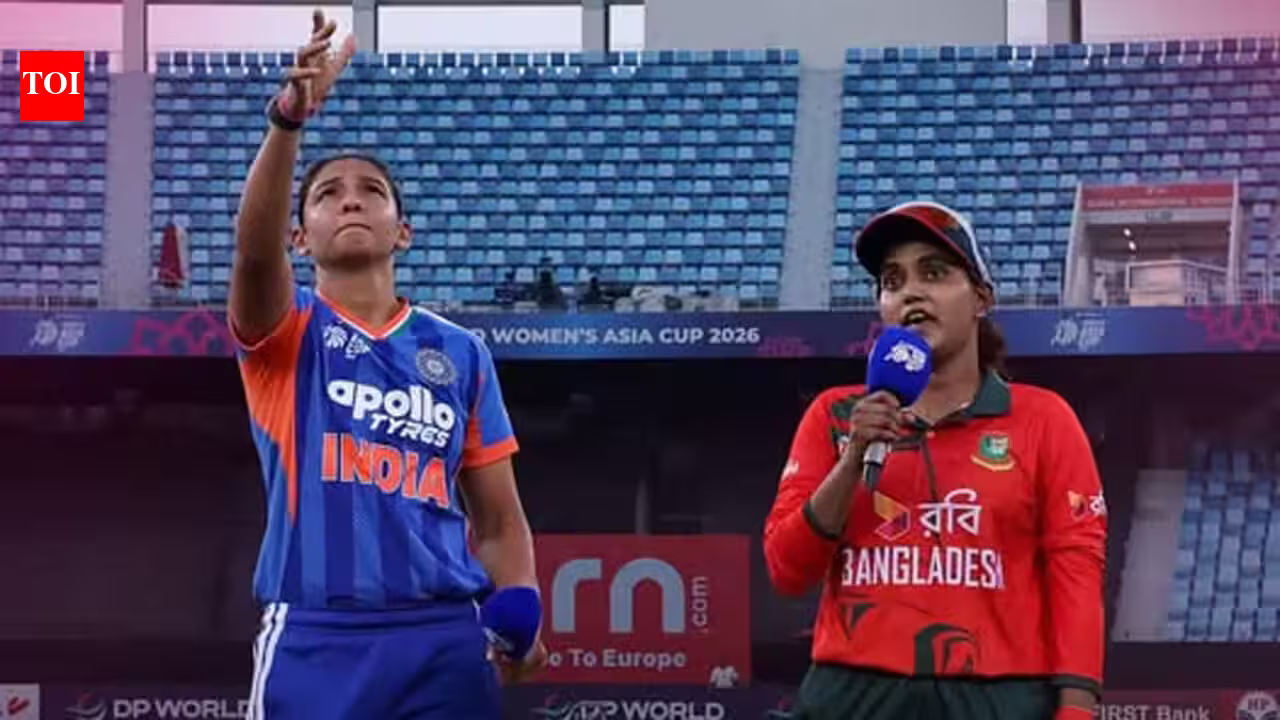
Tensions reached a fever pitch at the Women’s Asia Cup semi-final, but the most explosive moment occurred long before the first ball was even delivered. In a move that sent shockwaves through the cricketing fraternity, Bangladesh captain Nigar Sultana opted to bypass the traditional pre-match handshake with India skipper Harmanpreet Kaur during the toss.
The snub, which occurred in the shadow of broader regional geopolitical sensitivities often associated with India-Pakistan cricketing encounters, has drawn immediate scrutiny. However, the Bangladesh Cricket Board (BCB) has moved swiftly and decisively to distance itself from the incident, clarifying that the action was a solitary choice made by the captain rather than a calculated board directive.
## BCB Distances Itself from Diplomatic Snub
As the incident dominated headlines, the BCB felt compelled to issue a statement to maintain the integrity of their international relations. Rafiqul Islam Babu, chairman of the BCB women’s committee, provided a blunt assessment of the situation, confirming that the board did not sanction the snub.
“Of course, it was her own decision,” Babu stated in a post-match address. “We believe sports bring the world together. We want friendly relations with all countries, not just India, and so whatever she did was entirely her personal decision.”
This clarification was vital for the board, as it effectively quelled speculation that Bangladesh had adopted an unofficial “no-handshake” policy similar to the strained diplomatic posturing sometimes observed in the men’s game between India and Pakistan. By framing the act as a personal gesture rather than an organizational stance, the BCB has attempted to insulate its bilateral relationship with the Board of Control for Cricket in India (BCCI) from the fallout of the semi-final controversy.
## Nigar Sultana’s Leadership Under the Microscope
While the handshake incident served as the immediate lightning rod for criticism, it appears that Nigar Sultana’s problems may run deeper than a single moment of protocol. The BCB has confirmed that the captain’s future is currently under intense review, with her tenure expected to be evaluated following the conclusion of the Asian Games.
The scrutiny on Sultana is compounded by more than just her conduct at the toss. According to board officials, there have been formal complaints lodged regarding her leadership and alleged misconduct within the squad. While the BCB is choosing to wait until the team’s current obligations in the Asian Games are complete before taking formal action, the writing appears to be on the wall.
“We have discussed the situation in total with the board president, and since they are in the Asian Games, we will assess the situation after the conclusion of the games,” Babu confirmed. He added that the board’s final decision would be a composite of performance metrics, the handling of the team, and the resolution of the outstanding complaints.
## A Stumble on the Field
The atmosphere surrounding the match was undoubtedly charged, and the subsequent performance on the field reflected a team struggling to bridge the gap with the global elite. Bangladesh, tasked with chasing a target of 150 runs to secure a place in the final, faltered under pressure. The Indian bowlers maintained a disciplined line and length, systematically dismantling the Bangladesh lineup to secure a clinical 40-run victory.
The loss was a bitter pill to swallow for the Bangladesh camp, exposing the technical and psychological gulf that remains between them and top-tier cricketing nations like India. For chairman Rafiqul Islam Babu, the defeat served as a somber reminder that talent alone is not enough to compete at the highest level.
“There are many shortcomings in the team,” Babu admitted. “We have not been able to beat the bigger teams. We played well in the World Cup too, but we lost because of small mistakes.”
## The Road Ahead for Bangladesh Women’s Cricket
As the dust settles on the Women’s Asia Cup semi-final, the BCB is entering a period of significant introspection. The combination of the handshake controversy and the on-field disappointment has created a catalyst for change. The board’s priority now shifts toward identifying how to turn “small mistakes” into consistent competitive advantages.
“We are working to make the team stronger and more competitive,” said Babu, looking toward the post-Asian Games transition. “After the Asian Games, we will decide what can be done.”
Whether that “deciding” involves a total leadership overhaul remains to be seen. However, one thing is certain: the era of Nigar Sultana’s captaincy is facing its most precarious challenge to date. For the Bangladesh team, the journey back to the top of the international standings will require more than just a change in leadership—it will require a fundamental shift in how the team manages pressure, protocol, and the expectations of their nation on the world stage. As they head into the Asian Games, the players find themselves not only competing for medals but for the very future of their team’s identity.
Disclaimer: This content is auto-generated for informational purposes only.
Source: Read Original News