









Strategic Divestment: Centre Holds Firm Against Review Demands, Eyes Accelerated Privatisation Drive
NEW DELHI: The Central government has delivered a resolute message to its various ministries: the strategic sale of public sector enterprises (PSUs) is moving forward as planned, with no room for further dilution of the established divestment list. This firm stance comes despite persistent demands for review from ministries such as Heavy Industries, Fertiliser, and Housing, which have reportedly been pushing to withdraw certain PSUs from the privatisation pipeline.
Over recent months, the government, with direct involvement from the Prime Minister’s Office, has engaged in an extensive exercise to review and refine the comprehensive list of public sector companies earmarked for privatisation, listing, and closure. While individual ministries have previously succeeded in removing some high-profile PSUs, including Bharat Petroleum Corporation Ltd (BPCL) and Shipping Corporation of India, from the divestment agenda, multiple officials familiar with the matter have indicated to TOI that the window for further such exemptions has now firmly closed.
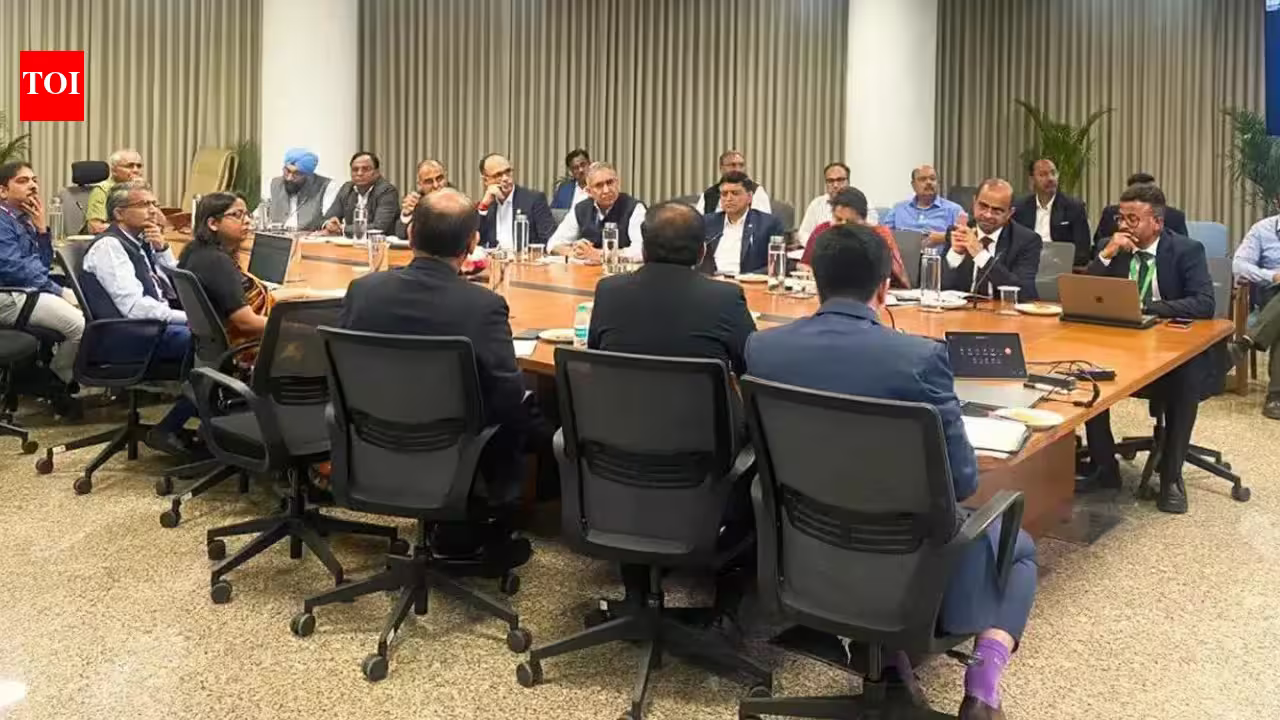
Officials acknowledged a recurring trend wherein several government departments have increasingly utilized inter-ministerial meetings as a platform to advocate for reviews of the divestment plan. These ministries have reportedly approached key agencies like Niti Aayog multiple times, pressing for reconsideration of specific PSU privatizations. However, the unequivocal message from the highest echelons of government is that all ministries must now collaborate to achieve the strategic sale objectives. This directive is particularly critical as the government seeks to maximize revenue generation and unequivocally demonstrate its commitment to the divestment policy.
Historically, the process of government disinvestment has been characterized by inconsistencies, with no centralized and consistently updated list of companies targeted for sale. This lack of a cohesive approach has, over the years, led to the sidelining of privatization efforts for several entities, including notable cases such as BEML and Shipping Corporation.
Currently, the government’s primary focus in the strategic sale domain rests on IDBI Bank. All eyes are on the two prominent bidders in the fray: Prem Vatsa-owned Fairfax and Emirates NBD. Both entities already possess investments in Indian banks – Fairfax in Catholic Syrian Bank and Emirates NBD in RBL Bank, respectively – but have expressed keen interest in acquiring IDBI Bank. To facilitate such an acquisition, the Reserve Bank of India (RBI) would likely need to intervene and grant specific exemptions to allow these entities to operate two banking institutions within the country.
Officials have indicated that once the IDBI Bank deal reaches its conclusion, and in light of the current emphasis on Offer for Sale (OFS) and Initial Public Offerings (IPOs) as divestment mechanisms, the next wave of strategic sale cases will be systematically identified and pursued.
With the current government now in its third year, there is an imperative to accelerate the pace of divestment to ensure more transactions can be successfully completed within its tenure. The Centre has already amassed upwards of Rs 60,000 crore through various disinvestment initiatives. With the potential materialization of the IDBI Bank sale and other smaller stake sales in the pipeline, the government is well-positioned to surpass its ambitious Rs 80,000 crore disinvestment target. The resolute stance against further reviews underscores a renewed determination to push forward with its strategic privatization agenda, aiming for both fiscal consolidation and a clear signal of its commitment to economic reforms.