






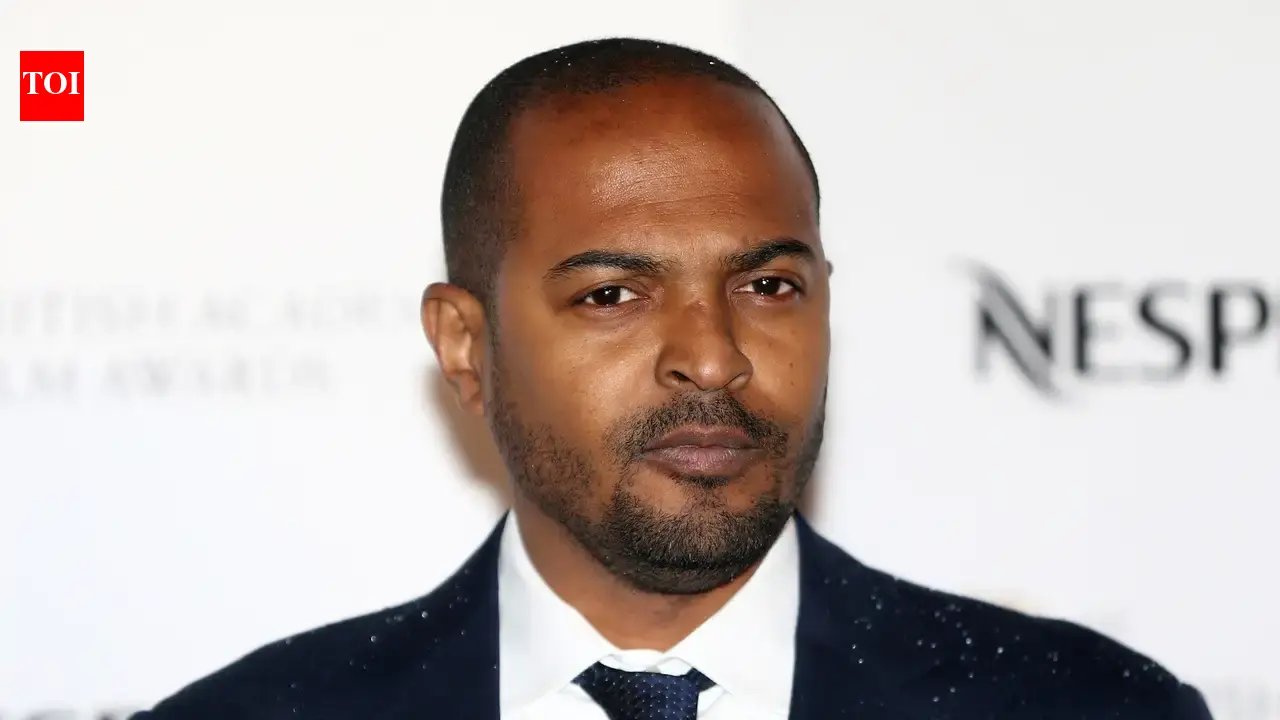
The British film and television industry remains in a state of solemn introspection this week as actor and writer Noel Clarke, once a celebrated titan of modern UK urban cinema, officially entered his pleas in a London courtroom. For those who have followed the trajectory of the man who arguably defined a generation of gritty, hyper-local storytelling, the scene at Westminster Magistrates’ Court on Wednesday was a stark and jarring reminder of how drastically the landscape surrounding his career has shifted.
Standing in the dock, the 50-year-old actor, best known for his central role in the Kidulthood trilogy and his recurring tenure on the cultural juggernaut Doctor Who, spoke only to confirm his personal details and formally deny the allegations leveled against him. The charges, which have sent ripples of shock through British media circles, include two counts of sexual assault, three counts of voyeurism, and one count of exposing himself. These allegations span a nine-year period, between 2007 and 2016.
A Legacy Clouded by Legal Shadow
To understand the gravity of these proceedings, one must look at the immense platform Clarke commanded at his zenith. As a writer and performer, he was seen as a trailblazer who brought the realities of London youth culture to the screen with a rawness that was previously unseen in mainstream British media. His work, particularly in Kidulthood (2006) and Adulthood (2008), was lauded for its unflinching portrayal of violence, bullying, and systemic struggle.
For years, Clarke was a golden boy of the industry—a BAFTA winner who seemed to possess a Midas touch when it came to capturing the zeitgeist. From his role as Mickey Smith in Doctor Who to his high-octane collaboration with Ashley Walters on the Sky drama Bulletproof, he was an omnipresent force in UK entertainment. Now, that legacy is entirely secondary to the criminal proceedings now unfolding, casting a long, dark shadow over his previous contributions to the screen.
The Procedural Path Ahead
The courtroom atmosphere on Wednesday was professional, stripped of the glamour usually associated with high-profile figures appearing in the press. Following the brief hearing where Clarke entered his not-guilty pleas, the court granted him bail. The procedural reality, however, is that this is merely the opening chapter of a much more protracted legal battle.
The investigation, conducted by the Metropolitan Police and subsequently greenlit by the Crown Prosecution Service, follows a massive review of evidence that has been ongoing for some time. The judiciary has set the next landmark for this case as November 18, when Clarke is expected to appear at Southwark Crown Court. For the industry observers, legal experts, and the public, this date serves as the next focal point in a saga that has already seen the accused fall from grace within the inner circles of British television.
Industry Reckoning and Accountability
The charges against Clarke have become a lightning rod for broader discussions regarding power dynamics within the entertainment sector. Since the allegations first surfaced, there has been a palpable change in how the industry handles the conduct of its most prominent stars. The professional fallout for Clarke was swift and comprehensive; following the initial reports surrounding his behavior, his projects were shelved, his affiliations were severed, and he became largely persona non grata in an industry he once helped steer.
This case is often cited as a turning point for British television—a moment where the “old guard” of behavior is being scrutinized under a lens of modern accountability. The industry’s willingness to distance itself from Clarke so rapidly suggests a collective realization: that the sanctity of a production environment is no longer secondary to the commercial success of a creative talent.
The Weight of the Allegations
The nature of the charges—specifically the counts of voyeurism and sexual assault—cuts deep into the personal safety and dignity of the individuals involved. While the court of public opinion moved with lightning speed when the allegations first became common knowledge, the legal system remains measured, focused on the veracity of the evidence and the specifics of the alleged timelines.
The inclusion of an exposure charge adds another layer of complexity to a case that is already being watched closely by advocacy groups and those pushing for higher standards of conduct on film sets. The fact that these incidents are alleged to have occurred over a nearly decade-long span suggests that, should the prosecution be successful, the implications will reach far beyond a single legal verdict. It speaks to a pattern of behavior that, if proven, would permanently dismantle the reputation of a man who was once viewed as an architect of contemporary British storytelling.
Looking Toward November
As the industry turns its attention toward the autumn, the anticipation surrounding the November 18 hearing at Southwark Crown Court is immense. It is in this high-level court that the details of the evidence will be examined with greater rigor. For now, the legal process must be allowed to take its course, adhering to the principle of presumption of innocence that remains the cornerstone of the judicial system.
Yet, regardless of the eventual verdict, the name Noel Clarke will forever be tethered to this specific moment in history. The contrast between his public image as a creator who championed “truth” and “realism” and the allegations of illicit, private conduct is a irony that is not lost on anyone who followed his rise. The British screen industry is currently undergoing a painful, necessary evolution, and the conclusion of this legal battle will likely be seen as a defining benchmark for how the UK handles accountability for its stars.
For now, the actor—once a staple of British living rooms and cinema multiplexes—remains a man waiting for his day in a much higher court, while his former colleagues and the public wait to see how the final pages of this story will be written.
Disclaimer: This content is auto-generated for informational purposes only.
Source: Read Original News