









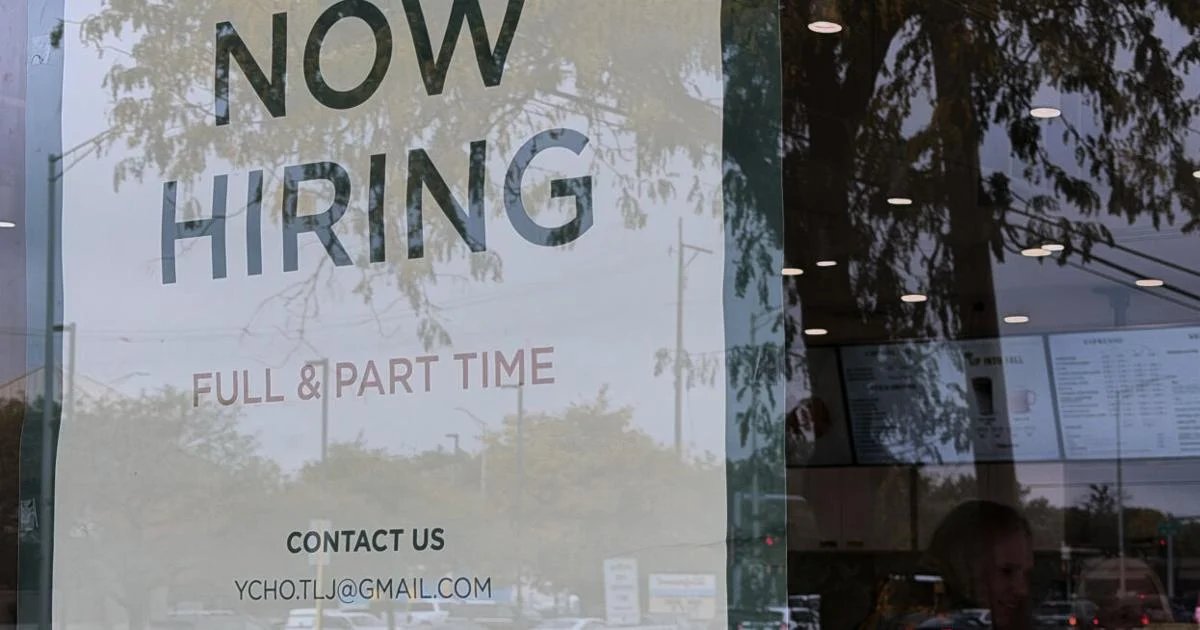
Northern Illinois job markets showed signs of localized resilience in September, as fresh data from the Illinois Department of Employment Security (IDES) reveals a downward trend in unemployment rates across several key counties and municipalities. While specific regions are navigating shifts in labor demand, the broader economic picture remains a patchwork of regional gains and sector-specific contractions, underscoring the complexities of the modern workforce.
Local Unemployment Trends Show Improvement
The latest IDES figures highlight a widespread decline in unemployment for Northern Illinois. Winnebago County saw its jobless rate dip to 4.5% in September, a modest improvement from August and a significant step down from the 5.4% recorded in the same period last year. Similar trends played out in Boone and Stephenson counties, which reported rates of 4% and 3.8%, respectively.
Among the cities, Rockford’s unemployment rate fell to 5%, a marked improvement from the 6.1% seen a year prior. Belvidere mirrored this progress, settling at 4%. Meanwhile, Freeport held steady at 4.4%. These figures arrive at a time when workforce dynamics are being redefined by automation and the integration of artificial intelligence, forcing many regional businesses to pivot their hiring strategies toward tech-literate talent.
Sector Shifts and Economic Disparities
Beyond the headline unemployment numbers, the data paints a nuanced picture of industrial health. The report notes that several metropolitan areas experienced over-the-year declines in nonfarm jobs. For instance, the Illinois portion of the Davenport-Moline-Rock Island area saw a 3.3% decrease, while larger hubs like Chicago-Naperville-Schaumburg experienced a slight 0.1% dip.
Conversely, areas like Lake and Peoria saw modest job growth. Across most metro regions, strength was concentrated in specific sectors:
- Mining and Construction: Showing growth in 10 out of 12 areas.
- Private Education and Health Services: Expanding in 9 areas.
- Government: Seeing growth in 8 areas.
This sector-specific growth is heavily influenced by the adoption of modern digital tools. Many companies in these industries are increasingly utilizing cloud computing, AI-driven project management software, and data analytics tools—often powered by platforms like Google Cloud—to streamline operations. As these businesses integrate more sophisticated tech stacks, the demand for specialized technical roles continues to rise, even in traditional sectors like construction and healthcare.
The Role of Tech in Future Labor Markets
While the state’s unemployment rate of 4.6% reflects a complex economic environment, the influence of the tech sector cannot be ignored. Today, regional economies are increasingly tethered to the accessibility of high-speed digital infrastructure and platforms that facilitate remote work, digital marketing, and automated customer service.
Google and other tech giants are continuing to invest in initiatives that bridge the digital divide, providing cloud certifications and AI training programs to workers in areas facing industrial transition. These programs are designed to ensure that as traditional job markets fluctuate, the workforce remains equipped with the skills necessary to excel in an increasingly automated economy.
The state’s overall unemployment picture—sitting slightly above the national average of 4.2%—indicates that while Northern Illinois is showing positive localized momentum, the path to long-term stability lies in continuous workforce upskilling. As the state moves toward the final quarter of the year, the combination of regional industrial growth and a push for greater digital literacy will be the primary drivers determining whether these gains in employment stability become a sustained trend or merely a temporary fluctuation. Businesses that continue to lean into digital transformation, leveraging the latest advancements in artificial intelligence and data-driven insights, appear best positioned to lead this economic recovery.
Disclaimer: This content is auto-generated for informational purposes only.
Source: Read Original News