









The leader of Northumberland County Council, Councillor Glen Sanderson, has expressed significant concern over the extensive nurdle spill that has plagued North East beaches following a mid-July collision at the Port of Tyne. This incident, involving the Wind Orca ship and a container vessel, not only damaged both ships and a dockside crane, resulting in one hospitalization, but also unleashed tonnes of plastic pellets into the marine environment. Councillor Sanderson fears that resolving this environmental crisis could take “years” and is demanding immediate clarity regarding the long-term implications and financial responsibilities.
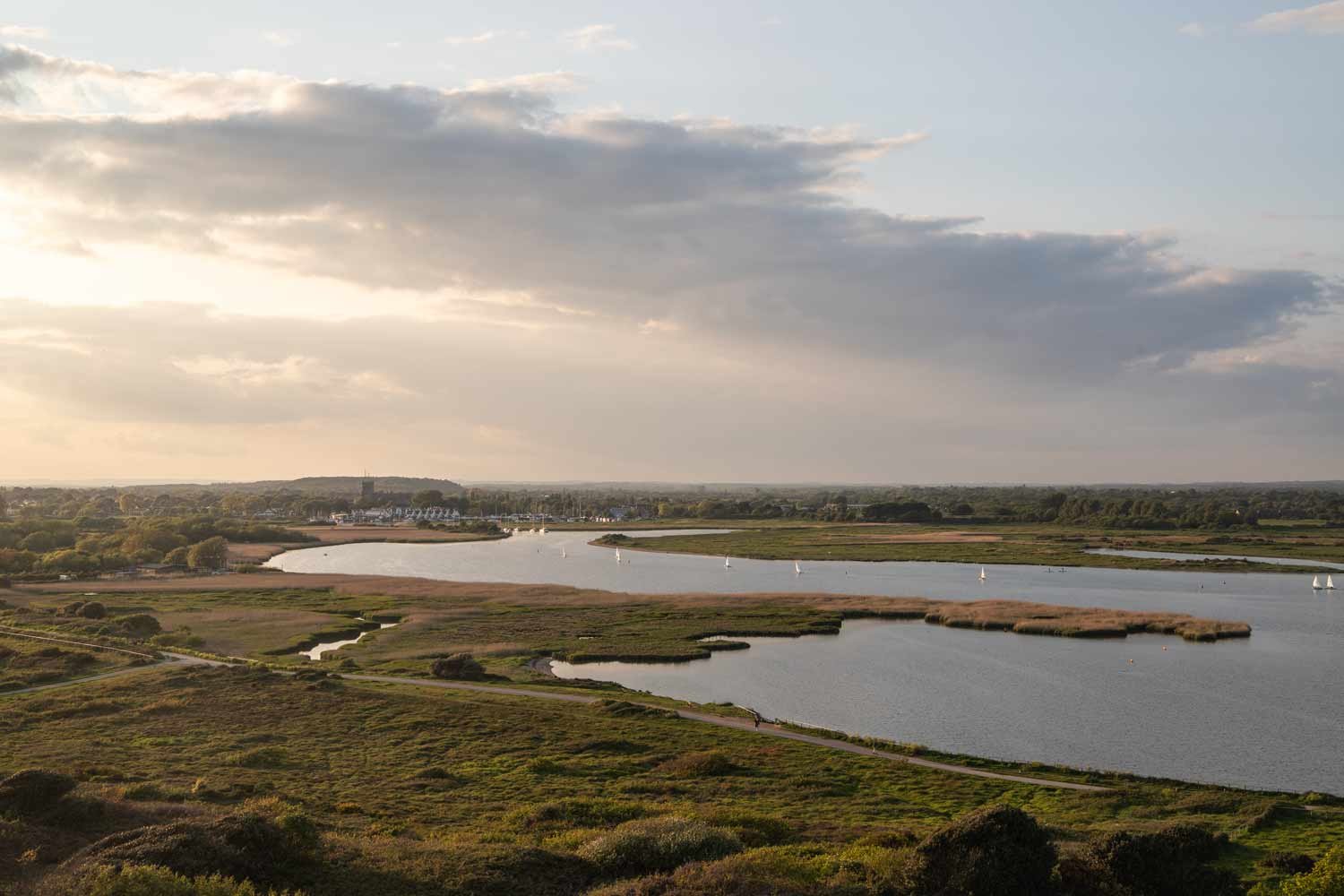
These tiny plastic pellets, known as nurdles, began washing ashore shortly after the collision, affecting vast stretches of coastline both north and south of the Tyne’s mouth. Councillor Sanderson is particularly worried about their potential spread to popular and ecologically sensitive areas along the Northumberland Coast, such as Druridge Bay, exacerbating the impact on local ecosystems and wildlife. The ongoing environmental catastrophe has prompted increased efforts, with North East Mayor Kim McGuinness confirming that insurers are doubling the size of clean-up teams.
Despite the concerted efforts of council teams and dedicated volunteers, Councillor Sanderson highlighted a critical lack of clear communication from the government concerning the enduring consequences of the spill. He emphasized that with an estimated three-quarters of the 17 tonnes of pellets still unaccounted for, the financial burden and logistical challenges for local councils along the coastline could be immense. His pressing questions revolve around the precise quantity of nurdles already collected, the likelihood of more washing up in northern areas like Druridge Bay, especially with changing weather and tidal patterns, and, crucially, who will determine when the clean-up operation can be definitively called off. The council leader continues to advocate for these answers, stressing the profound implications for marine and avian life.
Councillor Sanderson extended his gratitude to all local partnerships involved in the arduous clean-up but underscored the necessity for reassurance regarding sustained funding and support, irrespective of the duration required. He also demanded a guarantee that local authorities would be fully integrated into discussions about contamination levels and future plans when operations eventually cease, ensuring that environmental impacts on coasts and wildlife are thoroughly addressed. The clean-up is a collaborative effort led by the Port of Tyne and local councils, with crucial support from the Environment Agency and the Maritime and Coastguard Agency.
Mayor Kim McGuinness echoed the sentiment of collective effort, commending the “amazing” volunteer community battling to remove the polluting nurdles from the North East’s beaches. She reiterated her stance that the polluters must bear the cost of the clean-up, welcoming the insurers’ decision to expand their clean-up teams from Northumberland to Sunderland, a measure she believes is urgently needed. With high “spring” tides anticipated, volunteer groups are mobilizing for a major clean-up drive on Saturday, after the highest tide, when more nurdles are expected to accumulate. Mayor McGuinness recently met with Environment Minister Stephen Morgan, alongside volunteers, to demand more proactive government intervention. The Environment Agency has deployed vessels to survey both the river and sea and has joined a scientific advisory group to assess the impact on seabirds, fish, and mammals, a concern shared by many residents. She also reported that the Port of Tyne has allowed volunteer boats to assist with river clean-up, demonstrating impressive results, and she is advocating for more opportunities for volunteer boats to operate safely. Furthermore, she has urged local councils to provide clearly marked special bins on beaches for collected nurdles. While daily beach patrols show a decrease in new nurdle arrivals, millions remain in the Tyne and at sea, necessitating continuous vigilance.
In response to Councillor Sanderson’s concerns, an Environment Agency spokesperson acknowledged the strong public sentiment and the need for clear information. They affirmed the agency’s active involvement since the incident’s inception, providing essential environmental monitoring, technical expertise, and on-the-ground support to the leading recovery organizations. The spokesperson confirmed ongoing engagement with partners, local communities, and volunteers, with a primary focus on supporting the clean-up, understanding the environmental ramifications, and aiding the affected areas in their recovery.