







India Faces Do-or-Die Hockey World Cup Clash Against Arch-Rivals Pakistan
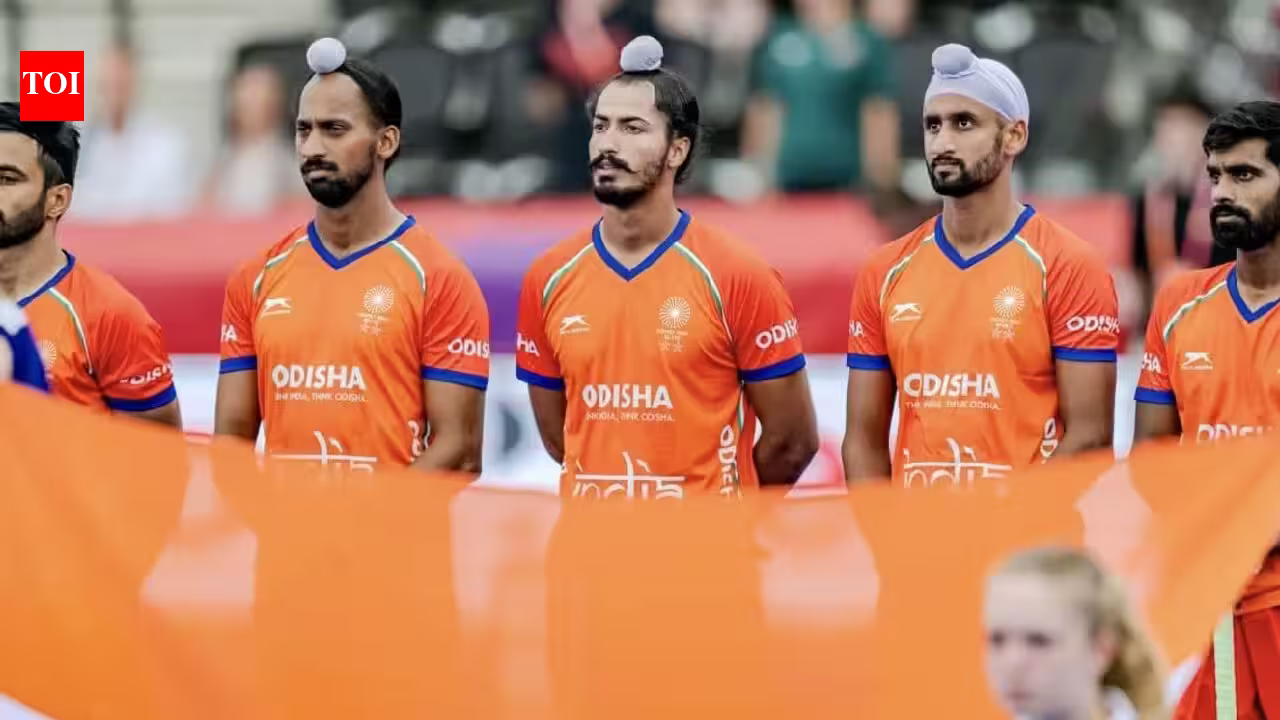
NEW DELHI – India’s Hockey World Cup campaign has reached a critical juncture, with a high-stakes encounter against arch-rivals Pakistan determining their progression to the second round. Following a disappointing 2-4 defeat to England, Harmanpreet Singh’s side faces immense pressure to secure a victory in Wednesday’s decisive match.
The narrative surrounding this traditionally fiery rivalry has shifted, according to former India captain PR Sreejesh. He believes that India’s significant advancements in fitness, strength, and decision-making have altered the competitive landscape, making matches against Pakistan "not as tough as they used to be."
India’s second Pool D match against England on Monday saw them leading 2-1 at halftime, with goals from Harmanpreet and Dilpreet Singh. However, a robust second-half comeback from England, who netted three goals, left India needing a positive result against Pakistan. A win will guarantee India’s place in the second round, while a defeat would spell the end of their World Cup journey.
India began their campaign with a 3-1 win over Wales, accumulating three points from two games. England currently leads Pool D with six points, while Pakistan and Wales each have one point.
Sreejesh elaborated on his perspective regarding the evolving rivalry, highlighting India’s internal improvements. "Conceding goals in the last quarter or final minutes used to be a problem for us, but that is no longer the case. Now, we are the ones scoring late to win matches," he told JioStar. He attributed this change to the team’s enhanced fitness, strength, game awareness, and decision-making, which have been significantly bolstered since the introduction of the four-quarter system and even before. "In the past, India vs Pakistan games were tight, often ending 1-0 or 2-1. Pakistan still have potential, but their current team’s level is not the same as before," he added, offering a blunt assessment of the historic contest.
Sreejesh Calls for Aggressive Defensive Strategy
Beyond the rivalry’s evolution, Sreejesh also offered tactical insights, particularly concerning India’s defensive approach. He advocated for a more aggressive, high-pressing defensive structure rather than the team dropping too deep.
"The Indian men’s hockey team has been playing a new formation for the past year and a half. That formation mostly forces us into defense, but in the recent Pro League, we pushed up and pressed hard in many matches," Sreejesh explained. He emphasized the need for a compact defense against European teams but urged India to play their natural game in the World Cup. "In defense, we used zonal marking, so we need to improve our understanding in that area. We should not drop too deep. We need to step out, press high, and defend even beyond the center line."
Harmanpreet’s Leadership Beyond the Pitch
Sreejesh also expressed strong support for captain Harmanpreet Singh, emphasizing that a hockey captain’s influence extends far beyond their on-field actions.
"Harmanpreet Singh is a very good captain. On the pitch, a captain’s influence is limited because you cannot control every move or player. The person with the ball has to make the decision," Sreejesh stated. He highlighted the crucial off-field responsibilities that define a successful hockey captain, including "keeping the team united, supporting younger players, helping them settle in, creating a positive team environment, taking players’ concerns to the coach, clearing doubts, and making sure everyone understands the coach’s instructions. So, for a hockey captain, the work off the field is much more important than what you do on the field."
The equation for India is straightforward: a victory over Pakistan will elevate them to six points and guarantee qualification. A draw would see India reach four points, but their progression would then depend on the outcome of the England vs. Wales match, specifically requiring England to win or draw. Conversely, a Pakistan victory would abruptly conclude India’s World Cup aspirations, marking a significant upset in the tournament. The stage is set for a thrilling and pivotal encounter that will undoubtedly capture the attention of hockey fans worldwide. For more insights from PR Sreejesh, you can read his full take here.