







A Seasonal Check-up for Your Garden
As the crisp autumn air sets in, most of us shift our focus toward cozy sweaters, warm drinks, and prepping our homes for the changing season. However, your garden also requires a little extra attention before the frost arrives. If you take pride in your rose bushes, this is the most critical time of year to play detective. While roses are the stars of the summer landscape, they face a common enemy as the weather cools: black spot disease.
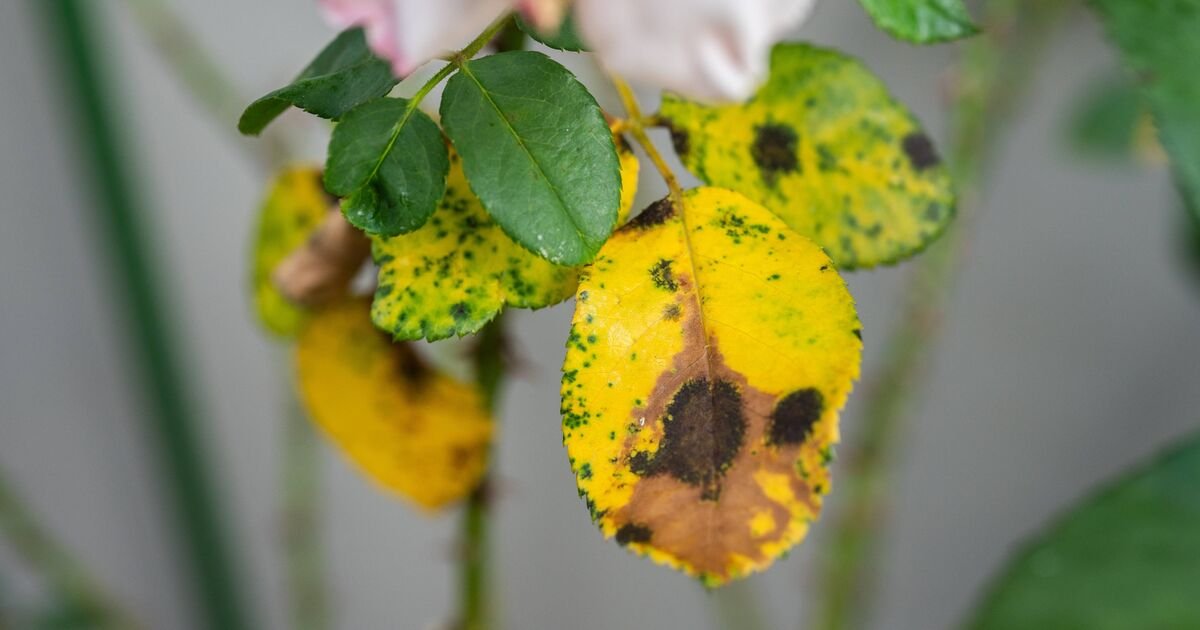
Spotting this fungal infection early is the difference between a flourishing display next summer and a collection of bare, struggling stems. If you notice circular, dark markings appearing on the leaves of your rose bushes, do not wait for them to disappear on their own. This is a sign that a fungal intruder has moved in, and it is ready to sap the strength right out of your plants.
Why Leaves Fall Before Their Time
The trouble with black spot is that it does not just look unsightly—it actively compromises the future of your plant. When the fungus takes hold, it forces the leaves to turn yellow and drop prematurely. Without a healthy set of leaves, a rose bush cannot perform the photosynthesis required to store energy for the winter.
When the plant is weakened, it loses its natural resilience. A rose that should be hunkering down for the cold becomes highly susceptible to other pests and harsh winter conditions. Think of it as a plant catching a cold; while it might survive the initial illness, it enters the winter months with a compromised immune system, making it far harder to bounce back when spring finally rolls around.
The Secret to Staying Dry
Fungus thrives in wet, stagnant environments. During autumn, the combination of cooler temperatures and increased rain makes the garden a breeding ground for spores. One of the most common mistakes gardeners make is showering the entire plant with water during their evening rounds.
To keep your roses thriving, change your irrigation technique. Focus all water at the base of the plant, directly into the soil, rather than sprinkling the foliage. If the leaves stay dry, the fungus struggles to find a foothold. Additionally, if you have any sprinklers that spray upward, keep them far away from your rose beds this season. Ensuring that the foliage remains dry is your first line of defense against infection.
The Art of the Autumn Cleanup
Cleanliness is truly next to godliness when it comes to rose care. Fungal spores love to hide in the debris left behind on the ground. If your roses have shed leaves or stems, these need to be cleared away immediately. Never leave fallen rose leaves near the base of the plant, as the wind and rain will only splash those spores right back onto the healthy foliage.
Instead of adding this debris to your compost pile—where the fungus might persist—place these clippings directly into the bin. While tidying up, take a moment to prune your bushes to improve airflow. By removing crowded or crossing branches, you allow the wind to pass through the plant, helping it dry out much faster after a morning dew or a rain shower.
A Simple Barrier for Healthier Blooms
If you want to give your roses a helping hand, consider the power of a good layer of mulch. Think of mulch as a protective blanket that does double duty. Not only does it keep the soil at a consistent temperature, but it also creates a vital barrier between the earth and the lower leaves of the rose.
By applying a layer of well-rotted compost or straw, you prevent soil from splashing up onto the leaves during heavy rains. Since the spores live in the dirt, this simple act prevents them from jumping onto your plant. Just be sure to pick materials that are clean and well-rotted. By keeping the base of the plant tidy and the soil covered, you are setting the stage for a much healthier garden next year. A little bit of proactive care this autumn will ensure that your roses have all the strength they need to bloom brilliantly once the warmth returns.
Disclaimer: This content is auto-generated for informational purposes only.
Source: Read Original News