









NTA Needs Structural Reform, Not Replacement, Says Former UGC Chairman
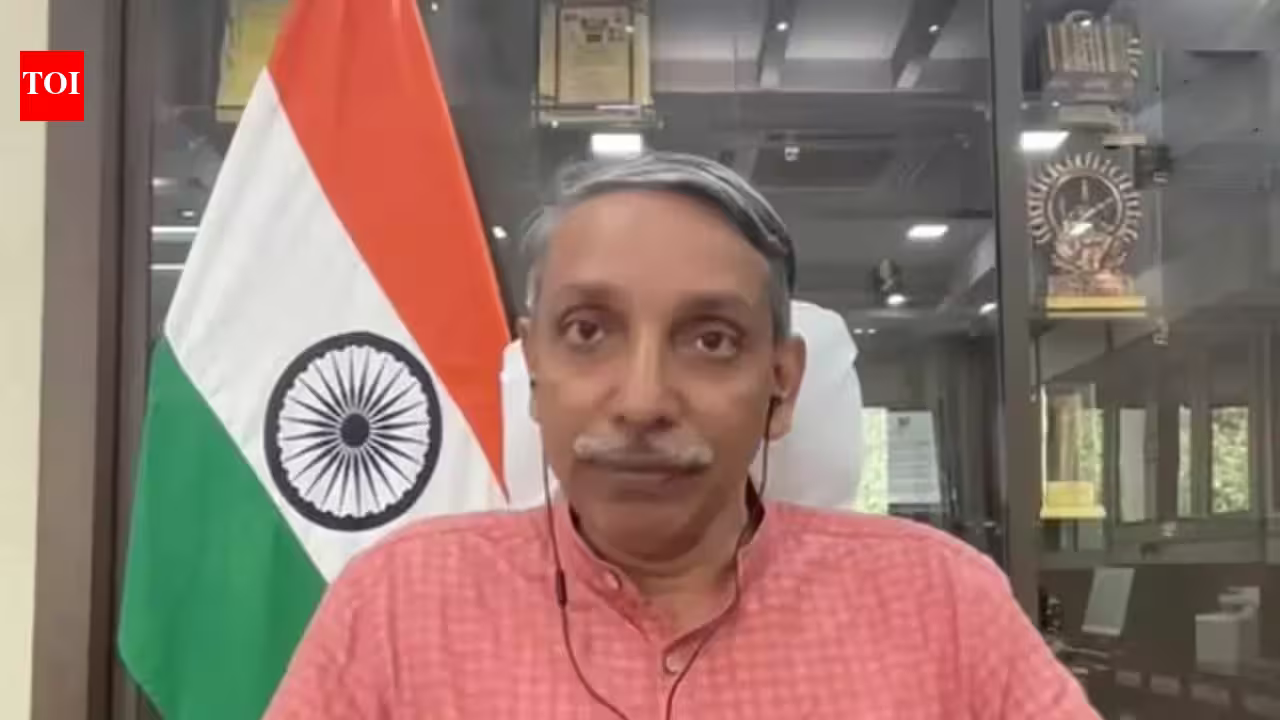
In the wake of persistent controversies surrounding major competitive examinations, former University Grants Commission (UGC) Chairman Mamidala Jagadesh Kumar has weighed in on the future of India’s examination body. Kumar argues that while the National Testing Agency (NTA) requires deep structural strengthening, replacing the institution entirely would be a counterproductive move.
Addressing the Security Challenge
The NTA has faced intense scrutiny following the NEET-UG paper leak and subsequent irregularities in the UGC-NET examination. These incidents triggered widespread protests and forced the government to initiate a major overhaul of the examination system, including the passage of new legislation to curb unfair practices and the formation of a high-level committee led by technocrat Nandan Nilekani.
Speaking to the Press Trust of India (PTI), Kumar—who chairs the Review Committee for the National Education Policy (NEP) 2020—framed the issue as an "end-to-end examination-security challenge." He noted that the NTA manages examinations for over one crore candidates annually, a scale that necessitates rigorous coordination between subject experts, digital infrastructure, printers, logistics providers, and examination centers.
The Case for Consolidation
Addressing speculation that the NTA may be overburdened, Kumar dismissed the idea of fragmenting the agency’s workload among multiple bodies. He cautioned that creating new, smaller agencies could lead to duplicated costs, inconsistent security standards, and uneven safeguards across the country.
"A single national testing body offers common security standards, technology, candidate services, and result procedures," Kumar emphasized. Instead of a complete overhaul, he advocates for a "partnership model," where the NTA focuses on its core strengths—secure platforms, candidate verification, and result processing—while the ministries or regulators requesting the exams retain responsibility for syllabus design and academic validation.
A Roadmap for Reform
Drawing from the findings of the Radhakrishnan Committee, which examined the entire testing lifecycle, Kumar outlined a strategic roadmap for the NTA’s evolution. He highlighted three immediate priorities:
- Securing the Lifecycle: Implementing strict access control and traceability at every stage—from question setting and translation to digital storage and transportation. He specifically backed the new "four-tier" question-paper scrutiny process.
- Building Permanent Capacity: The agency must institutionalize expertise in cyber-security, logistics, and test design, moving away from temporary arrangements toward a more permanent, professionalized cadre.
- Standardizing Centers: Kumar stressed that accreditation must ensure consistency in CCTV monitoring, biometric verification, and facility quality across all Indian cities.
Moving Forward
Reflecting on the government’s recent efforts, Kumar noted that 35 of the 46 major action points recommended by the Radhakrishnan Committee have already been implemented. These include the recruitment of new specialists and a significant refresh of expert panels.
"NTA’s capacity is strong, but it should continue to grow with its increasing responsibilities," Kumar concluded. He believes that by focusing on continuous risk assessment and digital traceability, the agency can steadily insulate itself against breaches and restore the trust of millions of students.