







Nvidia Expands DLSS 5 Support Following Unauthorized Modder Leaks
Nvidia is recalibrating its rollout strategy for the controversial DLSS 5 AI rendering technology. While the tech was originally intended to debut exclusively on the company’s latest RTX 50-series GPUs with support for only a single title, a leaked version of the software has forced the tech giant’s hand.
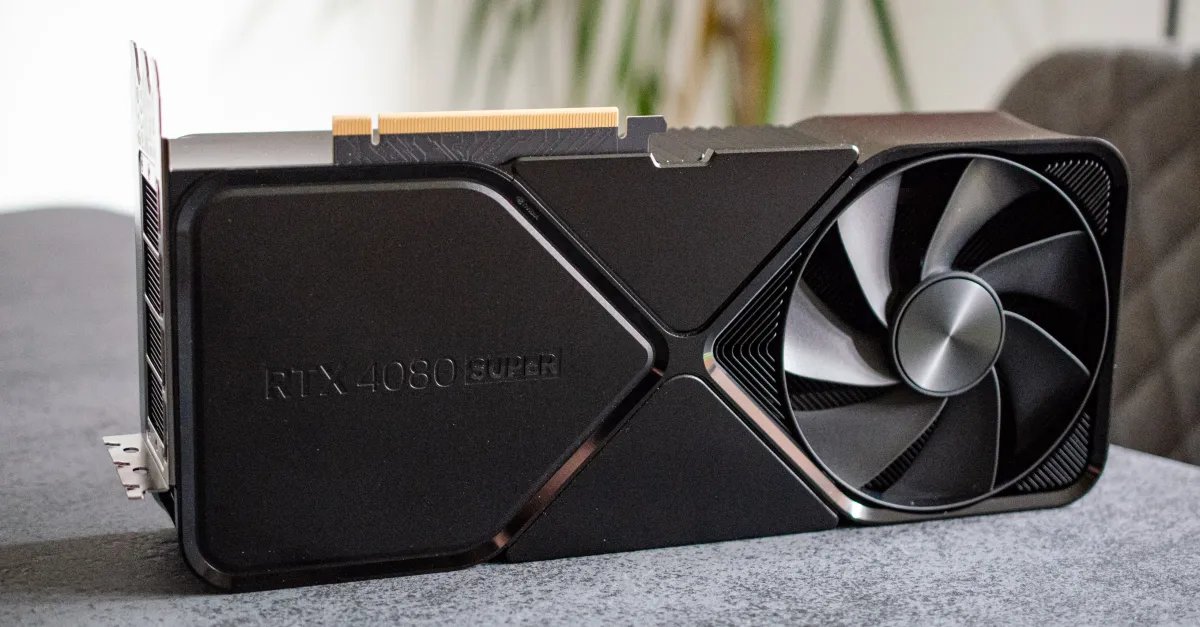
Following reports that enterprising modders had already successfully ported the leaked files to a wider range of hardware, Nvidia confirmed to The Verge that it will be bringing official support to older RTX 40-series GPUs.
A Phased Rollout
“Our current focus is on optimizing performance for the GeForce RTX 50 Series with model updates expected later this fall,” an Nvidia spokesperson, Rajal Maharaj, stated. “Once RTX 50 Series performance is more fully tuned, we plan to work on expanding official support to the GeForce RTX 40 Series.”
When asked about the possibility of bringing the technology to even older hardware—specifically the RTX 30 and 20-series, which modders have already attempted to force into compatibility—the company remained cautious. “Right now, the focus is of course on the 50-series,” Maharaj said. “One step at a time.”
The “Black Box” Approach to Controls
Despite the community’s desire for granular settings, Nvidia is maintaining a strict “on-or-off” toggle for end users. According to the company, the deep artistic controls—such as model selection, “Structure Intensity,” and custom per-pixel masking—are being reserved exclusively for game developers.
Nvidia noted, however, that developers will have the flexibility to expose certain parameters within their own game settings menus, mirroring the evolution of earlier DLSS versions that eventually introduced varying quality presets.
Sophisticated AI Integration
DLSS 5 aims to simplify the development process through advanced semantic AI masking. The engine is capable of automatically distinguishing between various scene elements—such as glassware, foliage, textiles, and human faces—without requiring manual input for every prop. For developers looking for more precision, Nvidia’s SDKs and Unreal Engine 5 integration allow for “engine-level masking,” enabling artists to apply custom neural lighting adjustments to specific groups of assets.
The company emphasized that the technology runs on every single frame, effectively eliminating any “minimum framerate” requirement for the AI to function.
Uncertain Future for Partner Titles
The launch comes amid a period of uncertainty regarding industry adoption. Following early backlash from players and critics, questions remain as to whether publishers originally slated to adopt DLSS 5 are still on board. When asked to confirm the status of 15 previously announced titles, including Assassin’s Creed Shadows and Starfield, the company did not provide a definitive list, stating only: “More games are on the way. Many developers are actively integrating DLSS 5, and we’ll share updates on upcoming titles as partners finalize their integrations.”