








Microsoft Introduces Pay-As-You-Go Xbox Cloud Gaming, Alongside New Monthly Limits
Microsoft is fundamentally shifting the business model for its streaming services. Starting this November, the company will allow users to access Xbox Cloud Gaming without a mandatory Game Pass subscription, moving toward a flexible, pay-as-you-go structure.
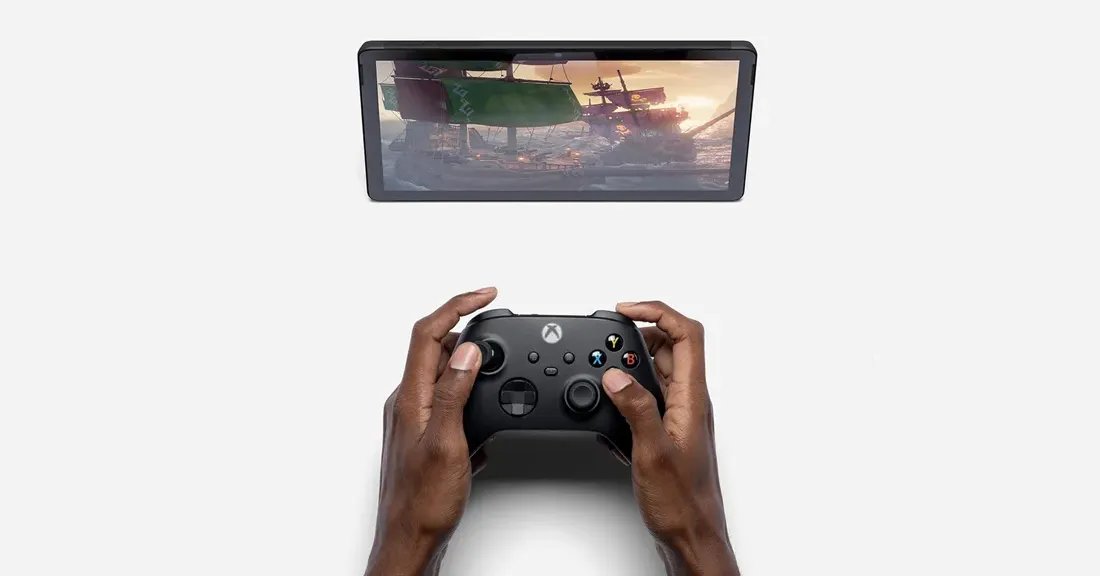
This new initiative, part of a broader set of changes to the platform, is designed to cater to casual gamers who may not play frequently enough to justify the cost of a recurring monthly subscription. According to the Xbox team, players will be able to purchase “cloud playtime hours” directly through the Xbox Store. This will allow them to stream eligible games they already own on supported devices, removing the barrier of entry for those who prefer an à la carte approach to gaming.
A New Reality for Subscribers
While the pay-as-you-go model opens doors for some, it arrives alongside more restrictive policies for existing subscribers. Microsoft is implementing strict monthly hourly caps for its cloud gaming services, with Xbox Game Pass Ultimate subscribers now limited to 15 hours of streaming per month.
This policy shift could force dedicated cloud gamers into a difficult position: either subsidize their play by purchasing additional hourly bundles or significantly reduce their reliance on streaming. Industry observers suggest that these measures may be a move by Microsoft to manage server load and incentivize more traditional console usage.
The Push for a Billion Users
These changes reflect a wider, years-long strategy by Microsoft to expand the Xbox ecosystem beyond the hardware. Xbox executive leadership has established the ambitious, albeit daunting, goal of entertaining more than a billion people daily. By focusing on mobile and cloud-based access, Microsoft aims to meet players where they are, regardless of whether they own a console.
The strategy also includes testing free, ad-supported cloud gaming for Xbox Insiders. This experiment could prove vital in bringing non-console owners into the fold, particularly on mobile devices.
Obstacles in the Mobile Market
Despite these ambitions, Microsoft’s path to a mobile-centric gaming future has been fraught with regulatory friction. For years, the company has attempted to build an Xbox mobile storefront that would allow users to purchase games and immediately stream them to their devices.
However, these plans have faced repeated setbacks due to the stringent policies of Apple and Google. Microsoft was forced to remove certain remote-play features from its mobile app to comply with Apple’s App Store guidelines, requiring users to navigate to the browser-based version of Xbox Cloud Gaming to stream content. Similarly, plans for an Android-based Xbox game store have been stalled due to conflicts with Google’s store policies.
Despite these hurdles, Microsoft remains persistent. Leadership has signaled that the dream of an independent Xbox mobile store is “not dead,” and the company continues its ongoing legal battles to dismantle the restrictive “walled garden” environments of major mobile platforms. Whether through pay-as-you-go pricing or potential new store fronts, Microsoft is clearly intent on making the Xbox library as ubiquitous as possible—one hour at a time.