








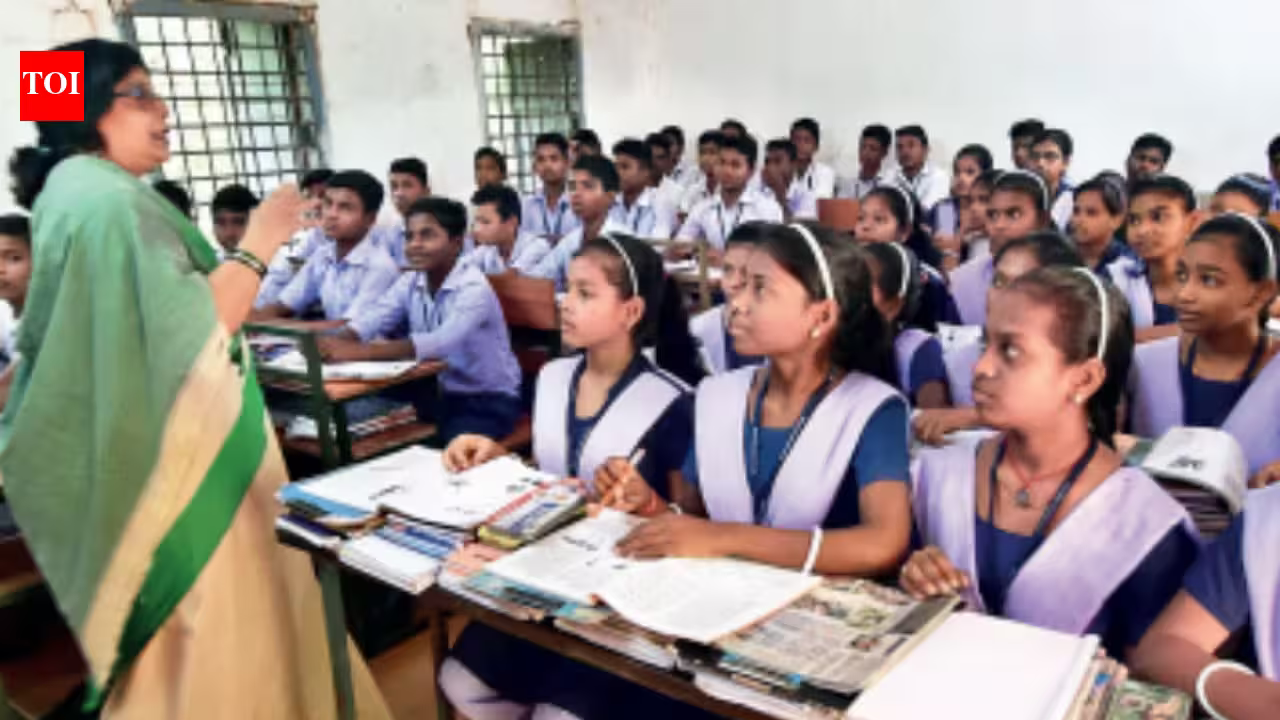
The Odisha government has recently unveiled significant enhancements to its free education support, extending crucial benefits to students in Classes 9 and 10. These new measures, announced by Chief Minister Mohan Charan Majhi, include the provision of free textbooks and the implementation of mid-day meals for these secondary school students. This initiative is a core component of the state’s broader strategy to bolster educational accessibility, alleviate financial strain on families, and promote consistent school attendance.
Historically, free textbooks were only distributed to students up to Class 8. This latest expansion means that this vital educational aid will now continue through the pivotal years of secondary schooling. This move is anticipated to bring substantial financial relief to families across Odisha, particularly those from low and middle-income backgrounds who often allocate a significant portion of their budget to educational materials. By removing the financial barrier associated with textbooks, the government aims to ensure that all students have equal access to the necessary learning resources, thereby fostering a more inclusive educational environment.
In addition to the textbook initiative, the government has also extended its mid-day meal program to include students in Classes 9 and 10. This initiative serves a dual purpose: it aims to improve the nutritional intake of students and act as a powerful incentive for regular school attendance. For many families, especially those facing economic hardships, the provision of a nutritious meal at school can significantly alleviate household burdens. The government envisions that this program will help retain students in the educational system, preventing dropouts that often occur due to financial constraints at home.
These recent decisions are integral to Odisha’s ambitious “KG-to-PG” plan, which seeks to provide free education from kindergarten through postgraduate studies. This comprehensive vision underscores the government’s commitment to ensuring that financial difficulties do not become an impediment to a child’s academic journey. By progressively making education more affordable at various stages, the state hopes to empower a new generation with the tools they need to succeed, regardless of their socioeconomic background.
However, the expansion of the free textbook scheme coincides with recent concerns regarding the quality of educational materials. Reports of errors, including issues with content sequencing and spelling, found in SCERT textbooks, have prompted a directive from Chief Minister Mohan Charan Majhi for a criminal investigation by the Crime Branch. This controversy highlights the critical importance of rigorous vetting and quality control for all study materials, especially as the government broadens the scope of its free textbook provision. Ensuring that students receive accurate and well-reviewed books will be paramount to the success of this expanded program.
Ultimately, these two key announcements are designed to address fundamental challenges faced by students and their families. Free textbooks will directly reduce the financial burden on parents, while mid-day meals will not only provide essential nutrition but also encourage consistent school attendance. The combined impact of these policies is expected to be particularly beneficial for students from economically vulnerable families, helping them to continue their education without undue financial pressure. The long-term success of these programs will, however, hinge on effective implementation, including the timely distribution of textbooks, diligent monitoring of the mid-day meal service, and a steadfast commitment to maintaining high standards for educational content. For now, these extensions represent a significant stride towards Odisha’s overarching goal of making education universally accessible and affordable.