







By Nimesh Vora
MUMBAI, May 8 (Reuters) – The Indian rupee’s two-day rally is set to stall at Friday’s open, pressured by rising oil prices after renewed fighting between the U.S. and Iran threatened a fragile ceasefire.
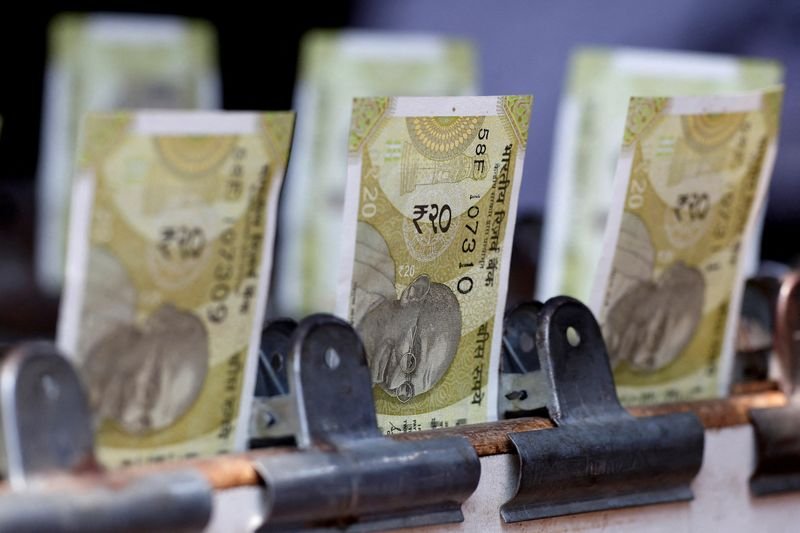
The rupee is expected to open in the 94.40-94.50 range, traders said, after settling at 94.25 on Thursday. The currency has rallied more than 1% over the past two sessions, recovering from a all-time low of 95.4325 hit earlier in the week.
Oil prices climbed on Friday after renewed U.S.-Iran hostilities dashed hopes of progress on reopening the Strait of Hormuz.
Iran accused Washington of breaching a month-long ceasefire, while the U.S. said it carried out retaliatory strikes after Iranian fire on its naval vessels transiting the strait on Thursday.
However, U.S. President Donald Trump said the ceasefire remained in effect, while Washington awaited Tehran’s response to its latest peace proposal.
Brent crude, which slid to $96 on Thursday, on hopes of peace, has since climbed above $100 to around $101.50.
Once again, the news flow has shown that the path towards a lasting agreement is not “linear”, Chris Weston, head research at Melbourne-based broker Pepperstone, said.
Markets are having to reassess assumptions made over the last couple of sessions about the trajectory of the conflict and the normalisation of shipping through Hormuz, he added.
The rupee’s recent moves have been heavily conditioned by oil price swings, with crude’s volatility – fuelled by rapidly shifting expectations of a U.S.-Iran deal – spurring sentiment-led swings in the currency.
A series of central bank measures to cushion the rupee has had only a short-lived impact.
Market participants said that a sustained reprieve would require oil prices to stabilise and attendant dollar outflows to moderate.
Structural dollar demand from oil refiners continues to exert persistent pressure on the rupee, prompting hedging activity by importers.
(Reporting by Nimesh Vora; Editing by Sumana Nandy)