








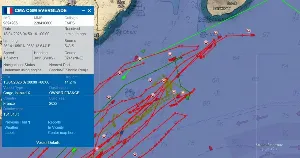
Several oil tankers have reversed course in the Persian Gulf due to unclear signals about the Strait of Hormuz’s accessibility.
In a significant development for global oil shipping, multiple oil tankers have recently altered their routes in the Persian Gulf, turning back from their intended passage through the Strait of Hormuz. This decision follows a series of inconsistent communications from Iranian authorities regarding the security and openness of the vital waterway, which is one of the world’s busiest maritime corridors for oil transportation. Shipowners faced with the uncertainty are now reconsidering their transit plans. On Saturday, five tankers, predominantly from Greece and India, made the decision to cease their journeys early in the day. Maritime sources indicated that warnings were broadcast over radio frequencies, further enhancing the atmosphere of caution among vessels operating in the area. The Strait of Hormuz, which connects the Persian Gulf to the Gulf of Oman, is a crucial passage for shipping oil, with a significant percentage of the world’s oil supply passing through it daily. The mixed signals from Iran have introduced confusion and concern within the international shipping community, potentially impacting global oil markets. Following these developments, stakeholders in the oil and maritime sectors are closely monitoring the situation, which could have far-reaching implications for oil supply chains worldwide. According to reports, the lack of clarity stems from recent remarks by Iranian officials, which have left shipping companies uncertain about the safety of navigating the strait. As the situation unfolds, the potential for disruption in oil shipments remains a pressing issue for global trade.