







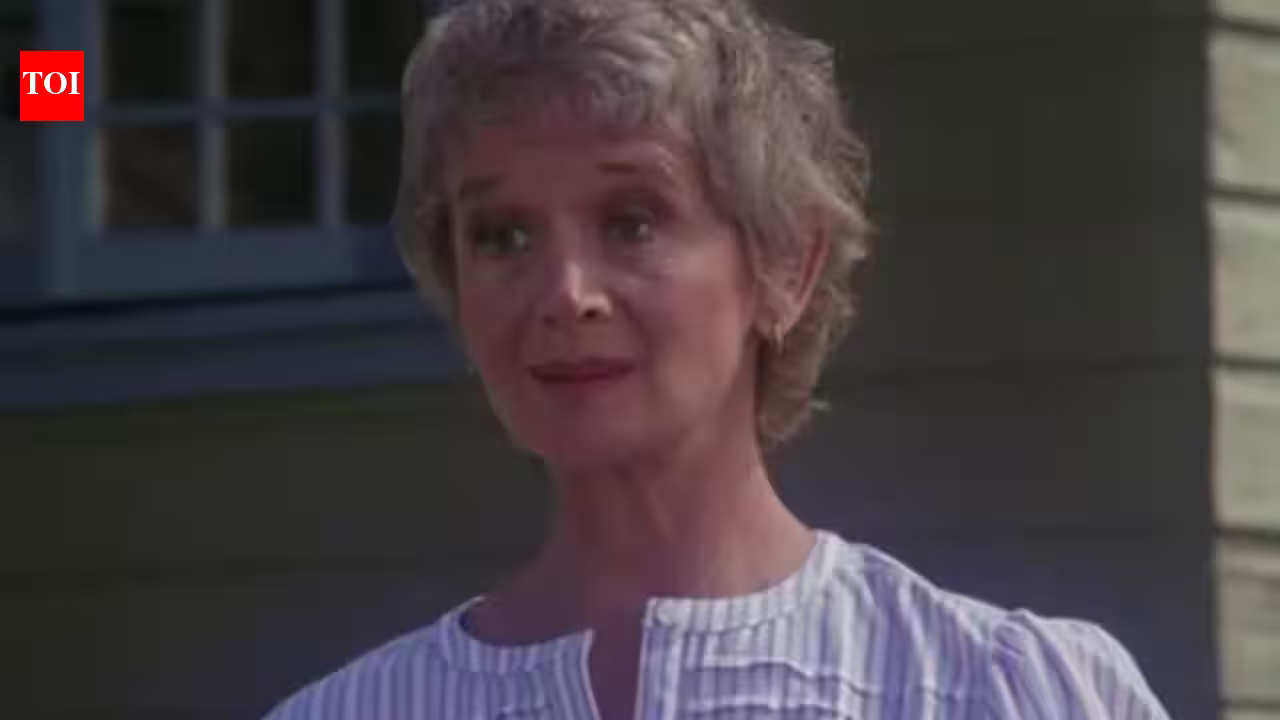
The curtains have closed on one of the most versatile and resilient performers of the 20th century. Barbara Barrie, the quintessential character actress whose career spanned seven decades of stage, screen, and television, has died at the age of 95. Her daughter, Jane Harnick, confirmed that Barrie passed away on Wednesday, October 28, at her home in New York City.
Her death, confirmed as medically assisted following a diagnosis of terminal cancer, marks the final chapter in a life defined by professional bravery and personal tenacity. While audiences will remember her for her uncanny ability to ground the most eccentric characters in raw, human reality, those close to her knew her as a woman who faced the eventualities of life—including the chronic illness that shadowed her later years—with the same quiet, steel-spined resolve she brought to her most iconic roles.
A Career Defined by Range and Grit
Barbara Barrie was never just an actress; she was a chameleon who refused to be pigeonholed. Whether she was inhabiting the role of a desperate, resilient mother or a sharp-witted urbanite, she brought a sense of lived-in authenticity that is rare in Hollywood.
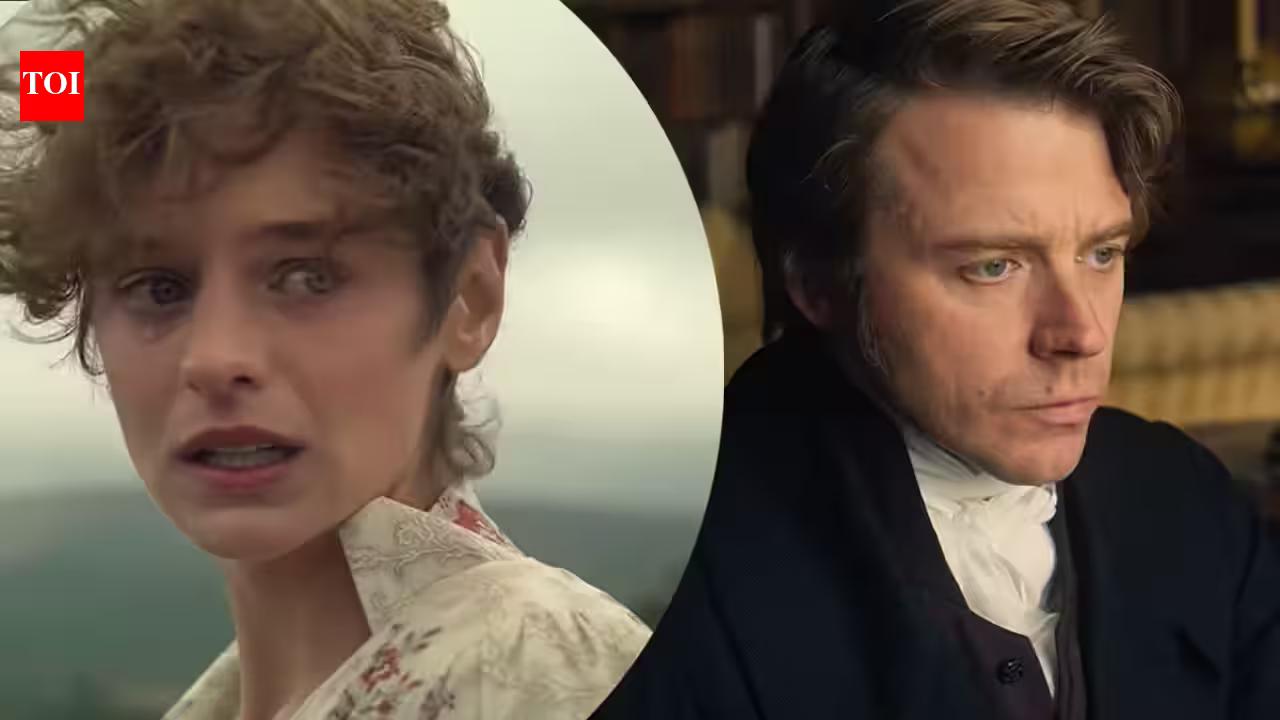
She first commanded serious critical attention in 1964 with Larry Peerce’s One Potato, Two Potato. In an era when mainstream cinema often shied away from the realities of racial prejudice, Barrie stepped into the lead role of Julie Cullen, a white woman entering an interracial marriage. It was a courageous choice that cemented her reputation as a performer willing to tackle the “difficult” scripts. Her portrayal earned her the Best Actress award at the Cannes Film Festival, a testament to the international recognition she garnered for her fearless approach to storytelling.
The Oscar Nod and the ‘Breaking Away’ Legacy
For many, the definitive image of Barrie’s talent remains Evelyn Stoller in the 1979 classic Breaking Away. As the mother of the protagonist—a young man obsessed with Italian cycling culture—Barrie provided the film’s heartbeat. It was a masterclass in subtlety; she was the foil to her husband’s bluster, a woman who understood the fragile, evolving nature of family dynamics before the rest of the characters caught on.
The Academy recognized the brilliance of her performance with a nomination for Best Supporting Actress. It was a well-deserved nod that celebrated her ability to elevate a role that could have easily faded into the background. Instead, she made Evelyn Stoller an indelible figure in American cinema, representing a generation of parents trying to find their footing in a changing, modern world.
Broadway Royalty and the Sondheim Touch
While her film work brought her global visibility, the stage remained Barrie’s spiritual home. She was a fixture of the New York theater scene, and her work with legendary composer Stephen Sondheim remains a career highlight. Originating the role of Sarah in the seminal 1970 musical Company, Barrie helped define the neurotic, hilarious, and deeply moving tone that would go on to reshape musical theater forever.
Her Tony Award nomination for the role was a badge of honor in a career that didn’t just touch Broadway—it lived there. Even in her twilight years, when many of her contemporaries had long since retreated from the spotlight, Barrie continued to challenge herself. Her 2017 appearance in the Broadway production of Significant Other served as a poignant reminder that her craft was not just a job, but a lifelong practice of endurance.
Life Beyond the Screen: Advocacy and Resilience
Barrie’s final act was perhaps her most courageous. In 2014, she went public with her diagnosis of idiopathic pulmonary fibrosis, a progressive lung disease that fundamentally changed the rhythm of her daily life. By speaking openly about the condition, she transformed her personal struggle into a platform for advocacy, shedding light on the often-overlooked challenges faced by those battling chronic respiratory illnesses.
Her decision to embrace medically assisted death in the face of a terminal cancer diagnosis at 95 is a final reflection of the agency she maintained throughout her life. In an industry that often expects women to fade quietly, Barrie remained in control of her narrative until the very end. She refused to let the terminal diagnosis define her final days, choosing instead to close the book on her terms, surrounded by family in the city that had been her stage for the better part of a century.
An Unfillable Void
From the police precinct of Barney Miller, where she played the pragmatic Liz Miller, to her guest spots on modern staples like Nurse Jackie and Enlightened, Barrie’s career was a masterclass in consistency. She didn’t chase fame; she chased the work. She chose projects that felt important, that asked difficult questions, and that required a level of vulnerability that few actors are willing to offer.
As the entertainment world mourns her loss, we are left with a body of work that serves as a time capsule of American culture. Barbara Barrie leaves behind a legacy of integrity, an extraordinary archive of performances, and a profound example of how to live—and depart—with grace. She was a storyteller who knew that the most important parts of a play aren’t just what is said on stage, but the silence, the breath, and the resolve that happens between the lines.
Rest in power, Barbara. The curtain has fallen, but the ovation continues.
Disclaimer: This content is auto-generated for informational purposes only.
Source: Read Original News