






Fear Grips Kerala’s Mukkom as Otter Attacks Disrupt Life Along Iruvazhinji River
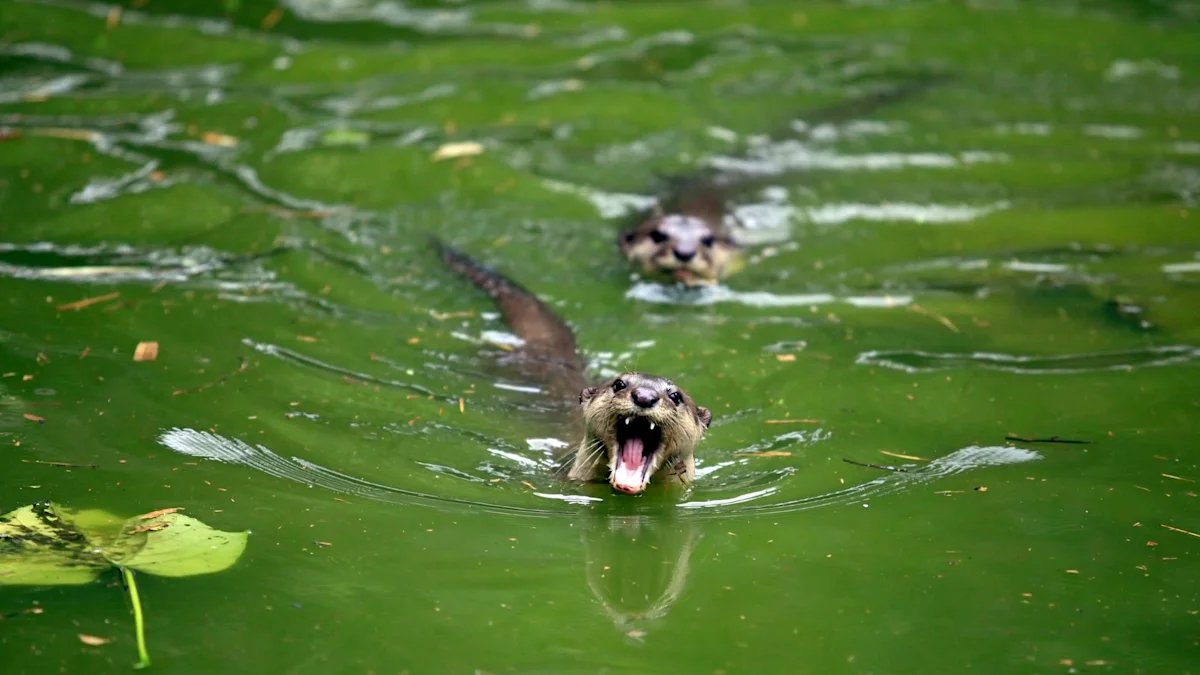
Residents of Mukkom in Kerala’s Kozhikode district are living in a state of growing alarm as a series of aggressive otter attacks have rendered the Iruvazhinji River essentially unusable. What was once a lifeline for the community—a site for daily chores, bathing, and local transit—has transformed into a zone of constant danger. Reports indicate that approximately 200 bite incidents have occurred, forcing locals to steer clear of the water’s edge.
A Growing Threat to Public Safety
The menace posed by these semi-aquatic mammals has escalated significantly since the incidents were first recorded in 2020. The fear is no longer confined to those entering the water; residents report that packs of otters are now brazenly climbing onto the riverbanks. This expansion of their territory has left people vulnerable even while they are merely walking near the water.
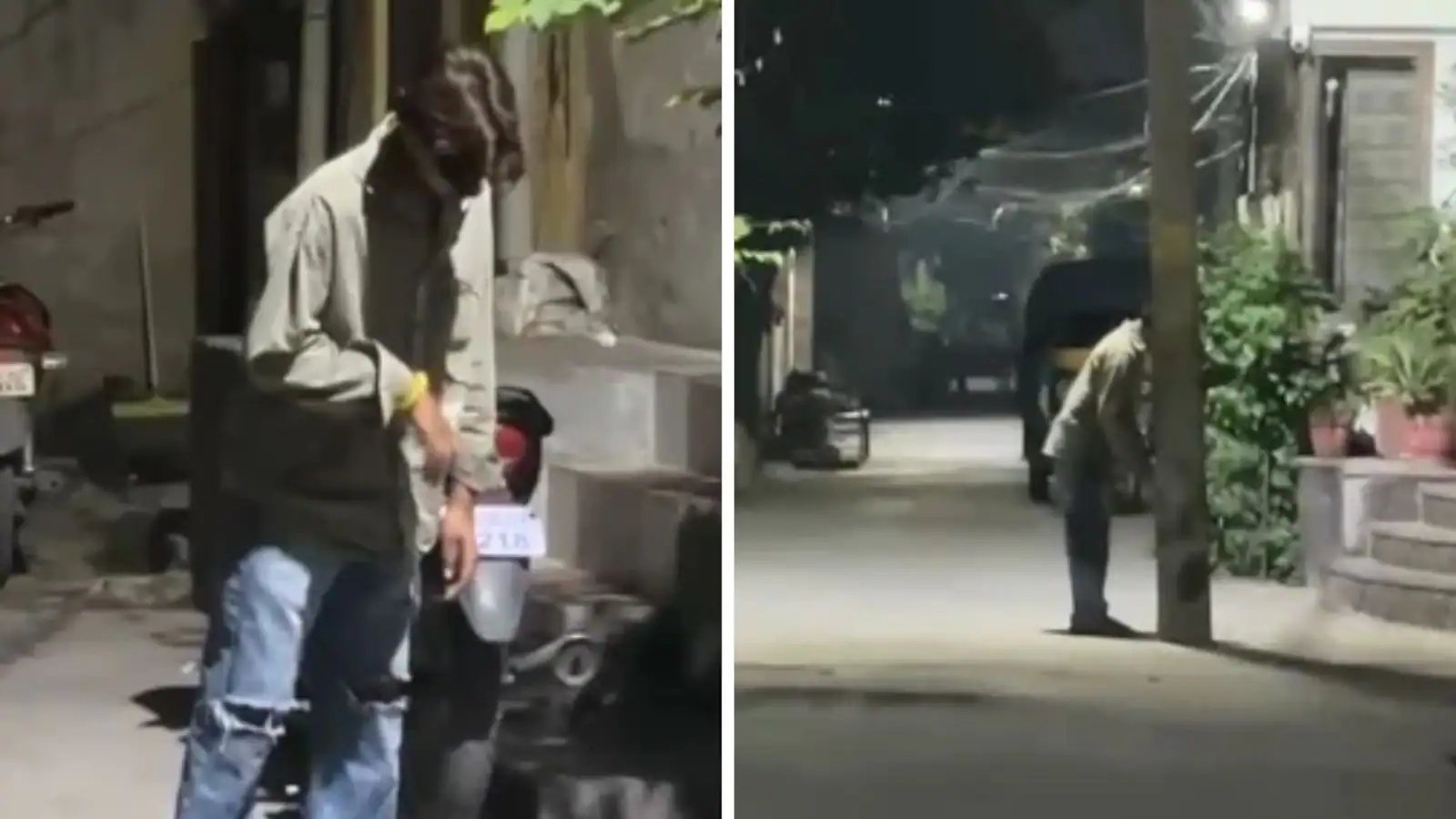
The physical toll of these encounters is harrowing. Among the recent victims are individuals from the areas of Kodiyathoor and Chendamangallur. In a particularly distressing case, a local resident named Raouf and a migrant worker were both subjected to violent attacks, sustaining multiple bite wounds on their legs. Other regions, including Kottamoozhi, Edavazhikkadavu, and Chalakkal, have reported similar, frightening encounters, leading to an atmosphere of collective anxiety in the valley.
Failed Interventions and Community Frustration
The escalation in attacks has drawn the attention of environmental experts and government authorities, though tangible solutions remain elusive. Scientists from the Kerala Forest Research Institute, led by Dr. P. Balakrishnan and Dr. P. Rajan, have conducted site inspections at various river crossings to analyze the behavior of the animals and investigate the root causes of their aggressive posture.
In a bid to curb the violence, the Forest Department’s Rapid Response Team deployed cages at key hotspots along the river. However, these attempts proved unsuccessful, failing to trap the aggressive animals or deter them from the populated banks.
Frustrated by the lack of progress and the persistent risk to their safety, local self-government bodies and community groups—such as the Ente Swantham Iruvazhinji Kootayma—have begun submitting formal petitions to government officials. They are demanding immediate, effective action to reclaim the safety of the riverfront, arguing that the status quo is unsustainable for the people of Mukkom.
Understanding Human-Wildlife Conflict
The situation in Kozhikode mirrors a broader global trend of increasing human-wildlife conflict. As human expansion encroaches on natural habitats and environmental shifts force animals into closer contact with urban centers, the potential for dangerous encounters rises. Similar scenarios have been documented in other parts of India and internationally, where animals—once shy of human activity—are increasingly adapting to and confronting residents in shared spaces.
For now, the people of Mukkom remain on high alert. The once-serene Iruvazhinji River, integral to the daily rhythm of life in Kozhikode, remains off-limits, with residents waiting for a resolution that can restore peace between the community and the wildlife it lives alongside.
Disclaimer: This content is auto-generated for informational purposes only.
Source: Read Original News