







The Intersection of Generative AI and Cinematic Adaptation
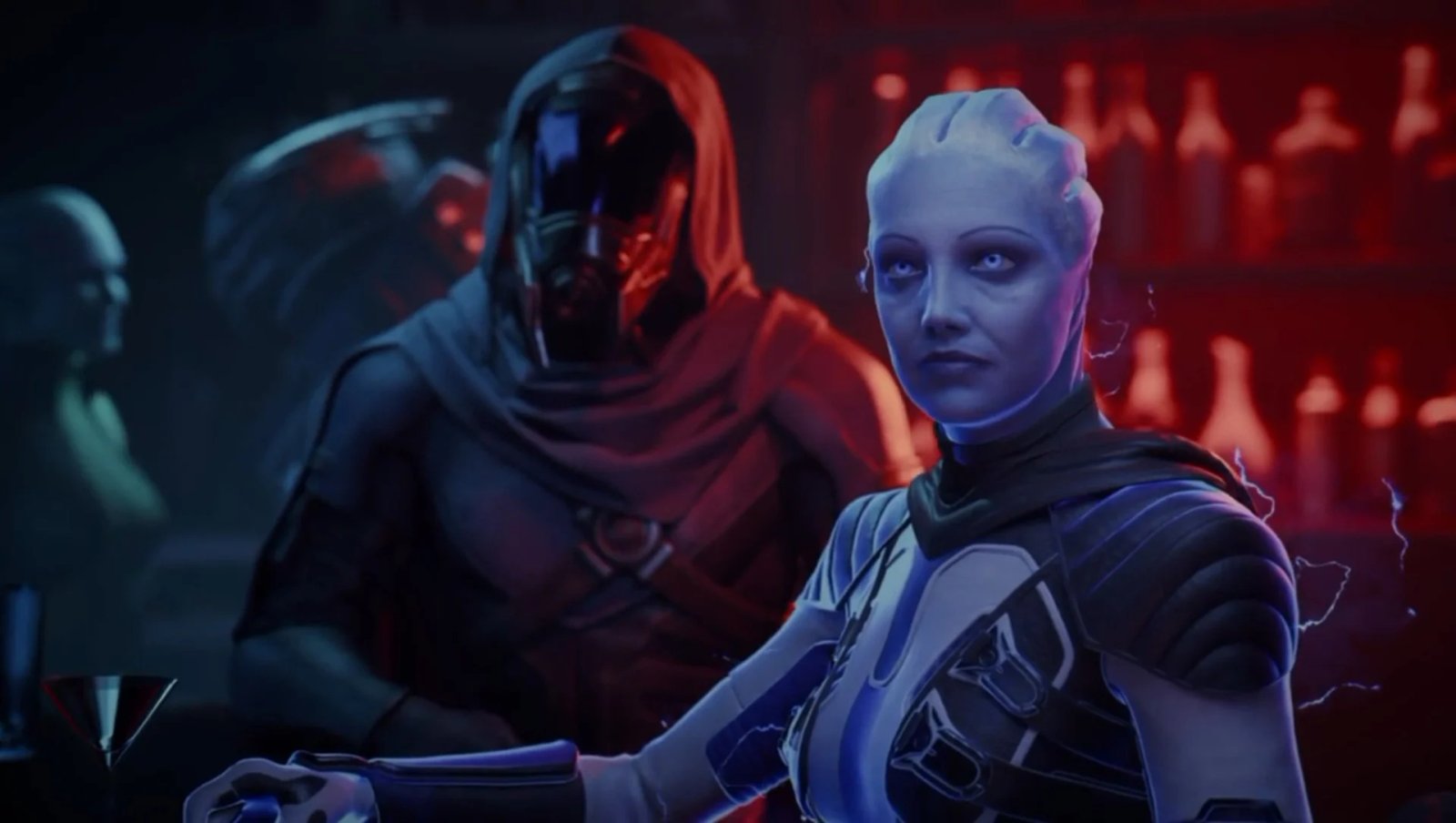
The landscape of digital content creation underwent a significant shift this week as xAI, the artificial intelligence firm led by Elon Musk, released a seven-minute excerpt of an AI-generated adaptation of Homer’s epic poem, The Odyssey. This production, facilitated by the tool Grok Imagine, represents an aggressive attempt to utilize large-scale generative models to automate the traditionally labor-intensive process of film production. By partnering with specialized entities such as Wonder Studios and director Dev Walker, the project moves beyond simple static image generation into the realm of complex, sequential storytelling.
This initiative follows a series of public declarations made by Musk earlier this year, in which he promised a historically accurate, full-length cinematic rendition of the ancient Greek narrative. While the initial goal remains set for a 2026 completion, this short-form release serves as a functional demonstration of the technical capabilities currently housed within the Grok ecosystem. It underscores a broader trend in technology: the transition of generative AI from a tool for static content to a comprehensive production suite capable of mimicking cinematic grammar, including camera movement, lighting continuity, and character performance.
Technical Architecture and Creative Collaboration
The development of this episode relies on the integration of xAI’s proprietary modeling with the specialized motion-processing capabilities of Wonder Studios. Unlike standard text-to-video generators that often struggle with temporal consistency, this project utilizes a framework designed to maintain character identity and environmental logic over several minutes. The involvement of Dev Walker indicates a shift toward a hybrid model of production where human directors guide AI agents to execute specific visual styles, rather than relying on fully autonomous generation.
From a technical perspective, the challenge of rendering an epic like The Odyssey involves complex asset generation. The AI must synthesize historically informed environments—ranging from Mediterranean landscapes to early iron-age naval architecture—while managing character textures and kinetic expressions. By leveraging the computational power behind Grok, the team aims to bridge the gap between abstract prompt engineering and professional-grade cinematography. This demonstration highlights the capability of current models to manage long-form narrative coherence, a significant hurdle that has previously hampered AI-driven film projects.
Industry Skepticism and the Question of Artistic Intent
The pursuit of an AI-generated epic has not been met with universal approval, particularly within the traditional film industry. Critics, including director Scott Derrickson, have voiced concerns regarding the conceptual foundation of the project. The core of this criticism lies in the distinction between technical execution and artistic authorship. Critics argue that cinema is defined by human experience, cultural context, and the intentionality of a director—qualities that a predictive algorithmic model may simulate but perhaps never genuinely possess.
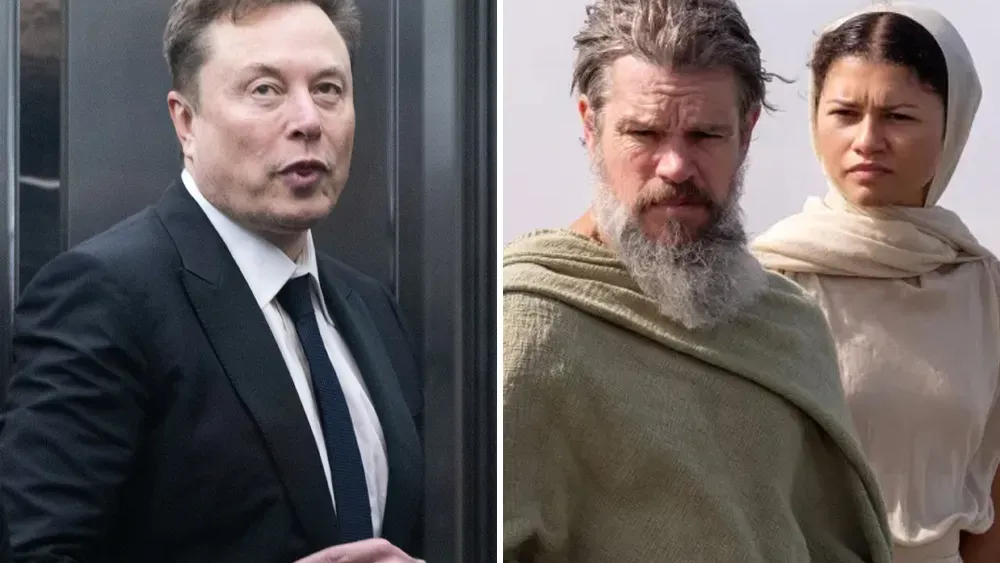
The controversy is further compounded by the public discourse surrounding the casting choices of other contemporary productions. Musk’s explicit criticisms of Hollywood inclusion standards suggest that his interest in this project is not merely technical, but ideological. By attempting to create what he deems a more historically accurate interpretation, the project functions as an assertion of power over narrative frameworks. This has sparked a broader debate about the potential for AI to be used to curate or rewrite cultural history according to specific parameters dictated by the software’s architecture and the biases of its designers.
The Future of Automated Filmmaking
If xAI succeeds in producing a feature-length film by the stated deadline, it will represent a milestone in the commoditization of high-end visual effects and animation. The ability to generate narrative-dense media through a natural language interface could drastically lower the barrier to entry for content production. Small teams, or even individuals, could eventually command the equivalent of a multi-million dollar studio infrastructure.
However, the technology remains in its nascent stages. Issues such as the uncanny valley effect, where human likenesses appear subtly wrong or unnatural, continue to plague AI-generated media. Furthermore, the intellectual property implications of training large models on vast libraries of existing human-made art remain unresolved. The project serves as a case study for the industry, forcing a reckoning with how digital tools will integrate with traditional filmmaking workflows. Whether this tool empowers independent creators or consolidates creative control in the hands of those who own the most powerful compute resources remains the primary question.
Implications for Historical Accuracy and Representation
The promise of historical accuracy is a complex claim in the context of a mythical poem. The Odyssey is, by its nature, an amalgamation of oral traditions and fantasy. The attempt to anchor it in historical realism reflects an algorithmic approach to storytelling—prioritizing empirical data and visual realism over the nuanced mythological interpretations that have defined the work for millennia.
This tension between data-driven representation and creative adaptation is likely to define the next era of media. As AI tools become more prevalent, the standard for what constitutes a “faithful” adaptation may shift. The reliance on models to define the visual reality of ancient texts risks creating a homogenized version of history, filtered through the specific datasets used to train the underlying artificial intelligence. As this project continues toward its goal of a feature-length release, the tech and film communities will be watching closely to see if the final product can transcend its technical novelty to achieve genuine cinematic merit.
Disclaimer: This content is auto-generated for informational purposes only.
Source: Read Original News