









The Rising Challenge of Retail Inventory Integrity
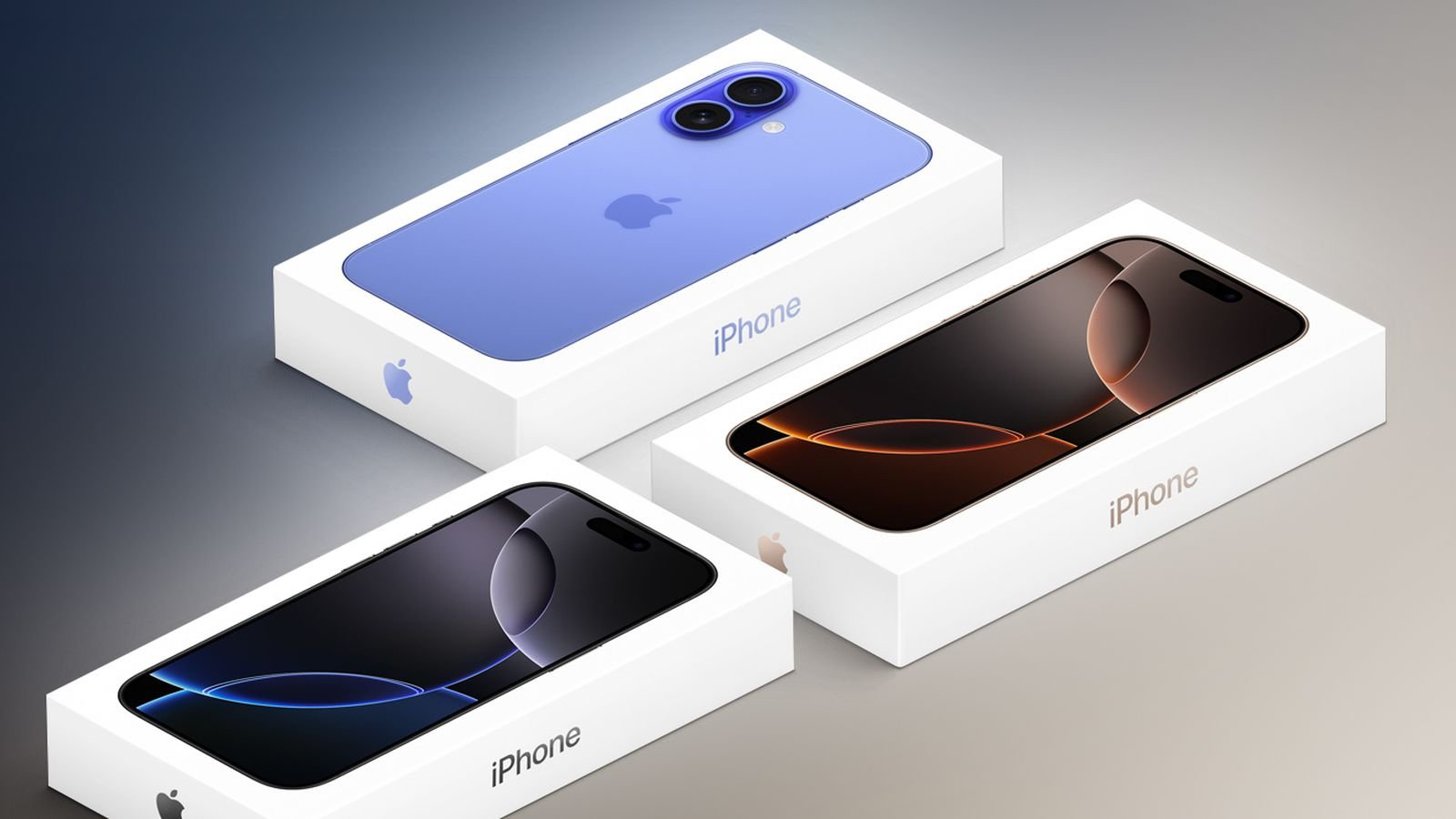
Apple’s retail operations are currently navigating a sophisticated form of retail fraud that has become increasingly prevalent. The practice involves individuals purchasing high-value hardware, such as iPhones, only to return the packaging with the internal contents altered or removed. Some perpetrators remove specific accessories, while others perform surgical extractions of internal components or completely replace the device with a non-functional unit before resealing the exterior.
Historically, Apple Store employees were tasked with manually inspecting these returns. This process required staff to open the packaging, verify the physical presence of the device, and perform a superficial check to ensure the hardware was intact. However, manual inspection is inherently limited. It cannot easily identify missing internal components, nor can it account for sophisticated tampering that leaves the external casing of the device looking pristine. Furthermore, once a retail box is opened for inspection, it loses its “factory-sealed” status. This classification shift creates a logistical hurdle, as these items can no longer be sold as new, leading to significant inventory write-offs and potential waste of perfectly functional hardware.
Introduction of the Proprietary Box-Scanning Solution
To combat this pattern of loss, Apple has deployed a specialized hardware solution designed to verify the integrity of returned products without compromising the original packaging. This new system allows retail staff to scan an unopened iPhone box and conduct a comprehensive internal diagnostic check. By utilizing advanced sensor technology, the device communicates with the hardware inside the box to confirm that the serial number, battery health, and internal components match the factory-shipped specifications.
This implementation effectively turns the retail return process into a data-driven verification step. By automating the authentication of the product inside, Apple reduces the reliance on subjective human inspection. If the system confirms that the device inside the box is intact and functional, the store can immediately return the unit to the active inventory pool. This technology enables the company to maintain the integrity of its “new” product supply chain, preventing the devaluation of returned items that are, in fact, untouched by the consumer.
Technical Mechanics of In-Box Verification
While the specific technical architecture of the scanning device remains proprietary, industry experts suggest the system likely leverages a combination of Near Field Communication (NFC) or ultra-wideband (UWB) protocols. These technologies allow for short-range, highly precise communication between the scanner and the internal circuitry of the iPhone. Because modern iPhones include sophisticated power management systems and localized storage, the device can potentially signal its “heartbeat” to the scanner even while powered off or in a deep-sleep state.
The diagnostic protocol likely verifies the hardware identity against Apple’s secure servers in real-time. By pinging the unique identifier of the iPhone inside the box, the system can determine if the hardware has been accessed, modified, or swapped. This level of granular verification is a significant shift from traditional retail loss prevention, which historically relied on visual inspection and security tags. By moving the verification process into the digital domain, Apple effectively bypasses the physical limitations of the cardboard packaging.
Streamlining Retail Efficiency and Inventory Management
The impact of this technology extends beyond mere theft prevention; it directly improves retail efficiency. In a high-volume retail environment like an Apple Store, processing returns consumes valuable labor hours. By enabling a “scan-and-restock” workflow, employees can process returns in a fraction of the time previously required for manual inspection. This creates a smoother experience for the customer, who no longer needs to wait while an associate meticulously examines the contents of every box.
Moreover, the financial implications for inventory management are substantial. When an item is opened for inspection, it often enters the “refurbished” or “open-box” category, which carries a lower price point and creates accounting complexities. By maintaining the factory-sealed status through non-invasive scanning, Apple preserves the full retail value of the product. This operational shift demonstrates a strategic investment in loss prevention that prioritizes both sustainability and the bottom line, ensuring that returned units do not become unnecessary waste.
Broader Implications for Retail Security
The shift toward non-invasive diagnostics in retail signals a broader trend in how global hardware manufacturers address physical security. As fraud techniques evolve to become more complex—moving from simple theft to sophisticated component tampering—the solutions must also shift from physical oversight to digital verification. Apple’s initiative provides a blueprint for how other high-end retailers might address similar concerns.
By integrating product-level diagnostics into the physical supply chain, companies can create a more resilient retail environment. This proactive stance not only protects inventory but also builds trust with the consumer base. As this technology becomes a standard feature in Apple retail outlets, it is highly likely that the incidence of return-based fraud will decrease, as the probability of successfully returning a tampered device drops significantly. This technological leap represents a necessary evolution in retail, where the digital and physical worlds converge to ensure the legitimacy of high-value goods from the factory floor to the final purchase.
Disclaimer: This content is auto-generated for informational purposes only.
Source: Read Original News