









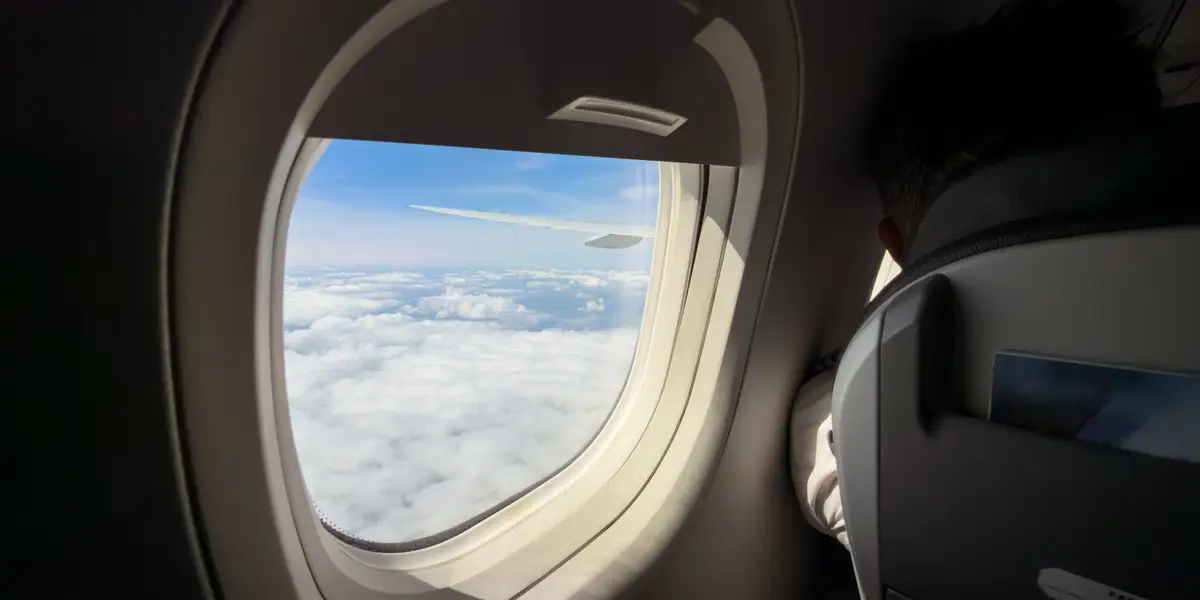
The modern air travel experience has become an increasingly tense battleground, where personal comfort often collides with digital-age expectations. A viral debate currently sweeping across social media platforms—highlighted by recent insights from Business Insider—has forced a public reckoning over what constitutes acceptable behavior in the sky. While passengers grapple with reclining seats and overhead bin space, the tech industry is simultaneously deploying advanced AI tools and digital product updates aimed at mitigating the very friction that defines these inflight conflicts.
The Intersection of Digital Tools and Passenger Friction
The recent controversy surrounding “seat etiquette” isn’t happening in a vacuum; it is being mediated by the devices in our pockets. As passengers argue over whether it is acceptable to recline during meal service or occupy shared armrests, Google and other tech giants are increasingly integrating travel-management features into their ecosystems.
Google Flights has undergone significant updates over the past year, leveraging predictive AI to help travelers avoid high-stress scenarios before they even reach the gate. By analyzing historical data and real-time flight metrics, Google’s algorithms can now alert users to potential delays or crowded flights. This focus on “anticipatory tech” is intended to lower pre-flight anxiety, though industry analysts suggest that even the best software cannot solve the fundamental interpersonal challenges that occur once the cabin door closes.
How AI is Reshaping the Aviation Experience
Beyond booking platforms, the aviation industry is experimenting with AI-driven cabin management. Airlines are beginning to utilize machine learning models to predict service demand, attempting to automate beverage carts and meal delivery to keep passengers distracted and satisfied.
However, tech industry experts argue that the integration of AI in cabins has a dual-edged nature. While AI can optimize airflow, cabin lighting, and noise-canceling acoustics to make the environment feel more personal and controlled, it does little to address the “social protocol” void. As travelers become more accustomed to the personalized, algorithm-driven experiences found in Google’s suite of products, they are arguably arriving on planes with higher expectations for individual comfort. When those expectations are unmet—such as when a laptop screen is blocked by a reclined seat—the resulting frustration is often amplified by the user’s reliance on their own digital sanctuary.
Navigating the Digital Divide in the Skies
The debate currently trending on platforms like X and Reddit reveals a deep divide between those who view the seat as a personal space and those who view it as a shared utility. This tension is mirrored in how we interact with our tech. As Google pushes further into “ambient computing,” where devices are designed to disappear into the background and serve our needs seamlessly, the rigid, analog constraints of an airplane cabin feel increasingly archaic.
The industry is attempting to bridge this gap through better connectivity. With high-speed satellite Wi-Fi becoming standard, the cabin is transforming into a remote office. This transition has birthed a new category of etiquette: the “digital boundary” dispute. Conflicts now frequently arise over screen brightness, keyboard clicking, and the use of audio devices without headphones, forcing airlines to rely on updated digital-use policies.
Ultimately, while sophisticated software from companies like Google can help us find the perfect flight and track it with precision, the human element remains unpredictable. As the travel industry continues to digitize, the consensus among tech ethicists is that passengers must pair their high-tech connectivity with high-touch empathy. Until smart cabins can automatically resolve human disputes, the best tool for a smooth flight remains basic communication—a feature that no software update has yet been able to fully replace.
Disclaimer: This content is auto-generated for informational purposes only.
Source: Read Original News